Cup molds are an integral part of various industries, contributing significantly to the production of diverse products we use in our daily lives. These molds play a pivotal role in shaping and forming materials into cups, containers, and various other items, catering to an extensive array of purposes across different sectors.
Understanding Cup Molds Cup molds are specialized tools designed to give shape and form to materials such as plastic, glass, metal, or ceramics. These molds come in a variety of shapes and sizes, allowing for the production of a wide range of cup-like structures. They typically consist of two halves that, when closed, create the desired shape and structure.
Applications in Manufacturing The applications of cup molds span across multiple industries. In the packaging industry, these molds are utilized to produce disposable cups, containers, and packaging materials. Plastic cup molds, for instance, are extensively employed to create cups for beverages, sauces, yogurts, and more. Similarly, in the automotive sector, cup molds are used for creating components like cup holders and storage compartments within vehicles.
Importance in Material Transformation The versatility of cup molds lies in their ability to transform raw materials into functional and aesthetically appealing products. By utilizing various materials and employing different molding techniques, manufacturers can produce cups and containers with diverse properties, including durability, heat resistance, and specific designs tailored to meet consumer needs.
Manufacturing Process The manufacturing process involving cup molds typically begins with the design phase, where engineers create detailed specifications for the molds. These specifications guide the production of molds that will shape the final product. The chosen material, be it plastic, metal, or other substances, is melted, injected, or poured into the mold cavities. After cooling or solidification, the mold is opened, and the newly formed cups or containers are removed.
Advancements and Innovations Technological advancements have revolutionized the field of molding. Innovative techniques such as 3D printing have enabled the creation of complex and highly customized cup molds with precision and efficiency. Additionally, advancements in material science have introduced biodegradable and sustainable materials for cup molds, aligning with the growing demand for eco-friendly products.
Challenges and Future Trends Despite their significance, cup molds face challenges such as maintaining quality standards, reducing production costs, and addressing environmental concerns related to material usage and waste. Future trends may involve increased automation in molding processes, further development of sustainable materials, and the integration of smart technologies for enhanced production efficiency.
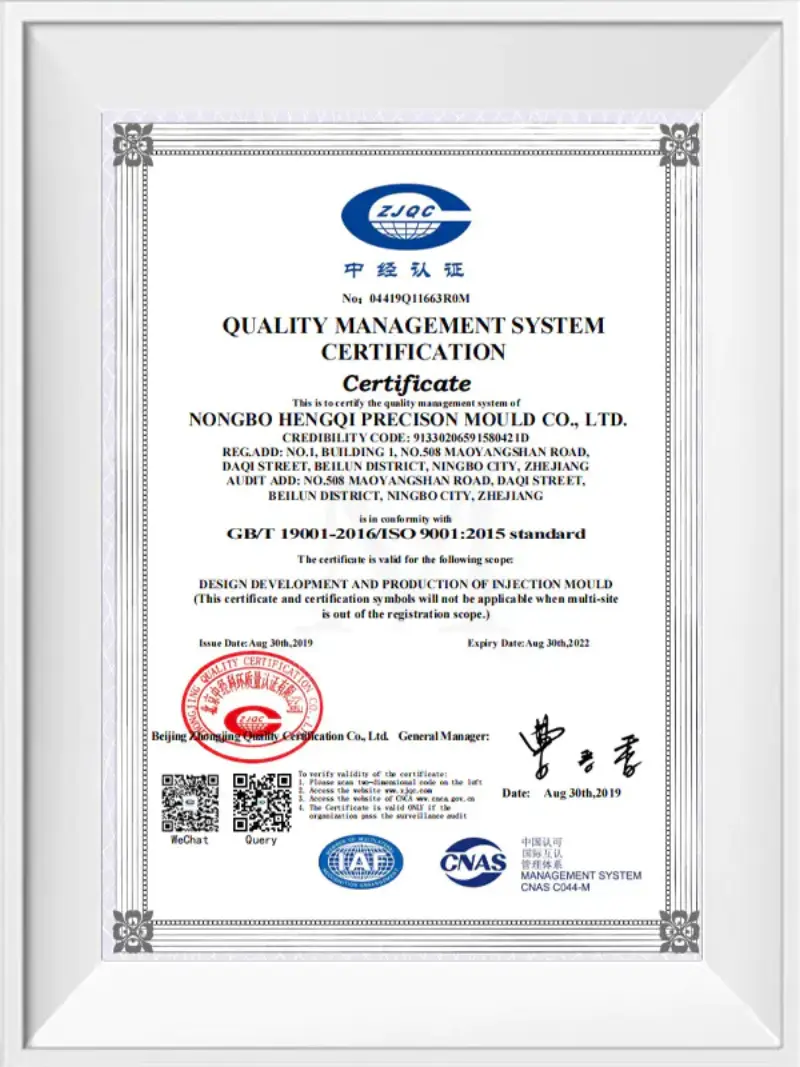
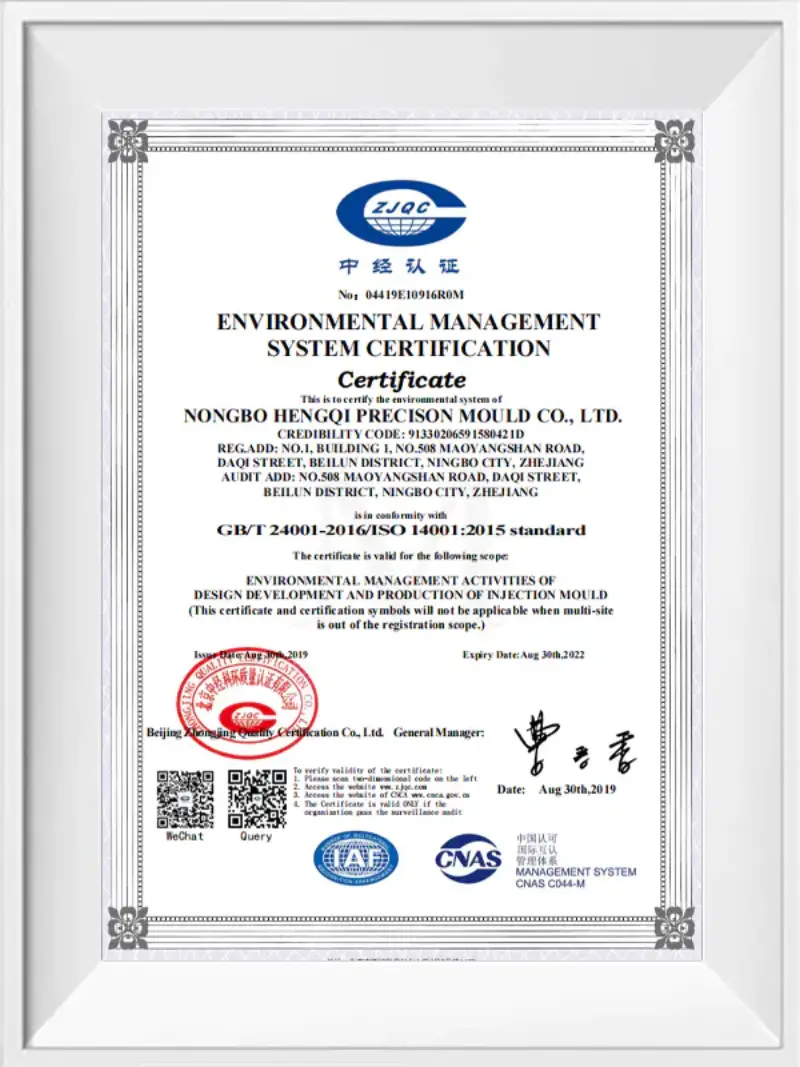
Ningbo Hengqi Precision Mould Co., Ltd. is professional China Plastic Injection Mould Manufacturers and custom Plastic Injection Mould factory, engaged in the development and manufacture of thin-wall packaging moulds. Our company has complete manufacturing equipment, scientific quality management system, rich practical experience in mould and hot runner production, combined with professional system design, using high-precision high-speed machining centers to achieve mold processing high standards. Hengqi Mould is in the leading position in the field of thin-wall injection molds in China. It produces thousands of sets of PP lunch boxes, cups and in-mold labeling system molds with a wall thickness of 0.35-0.45MM each year, which are supplied to the domestic market and exported to overseas. Hengqi Mould adheres to the spirit of continuous innovation and development of precision moulds.
In 2012, Hengqi Mould Factory was established.
In 2016, Hengqi Enterprise established Tianjin factory.
In 2017, Hengqi officially changed from individual to company.
In 2019, Hengqi established Chengdu branch and Betterfork cutlery department.
In 2024, Hengqi continues to expand international markets.