06 / Buyer questions
Questions to resolve before tooling approval.
These answers provide a practical starting point. Final specifications are based on your drawing, samples, resin, machine and production targets.
Should I send the matching cup as well as the lid?
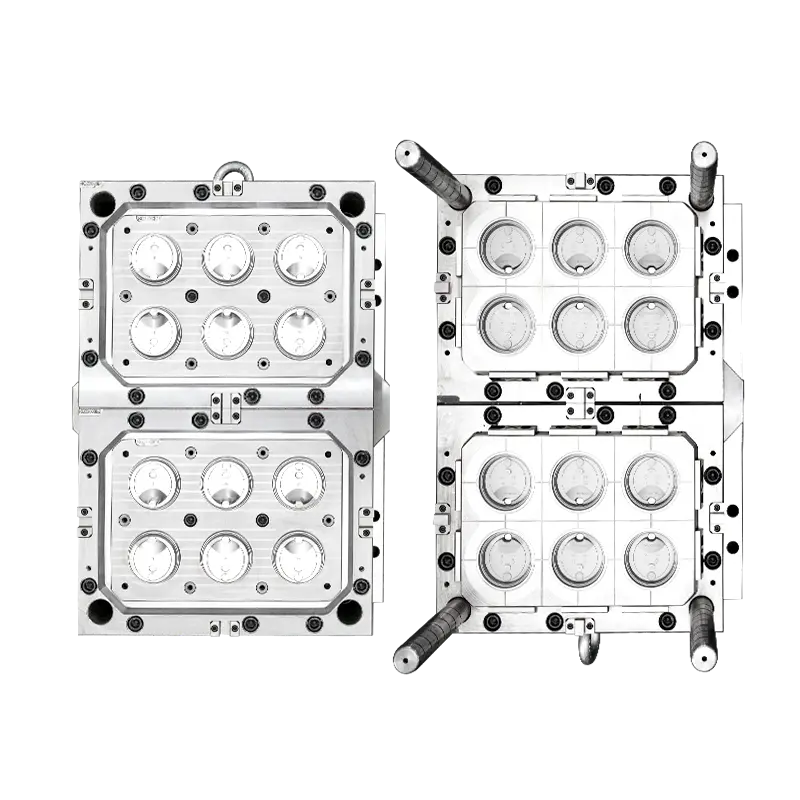
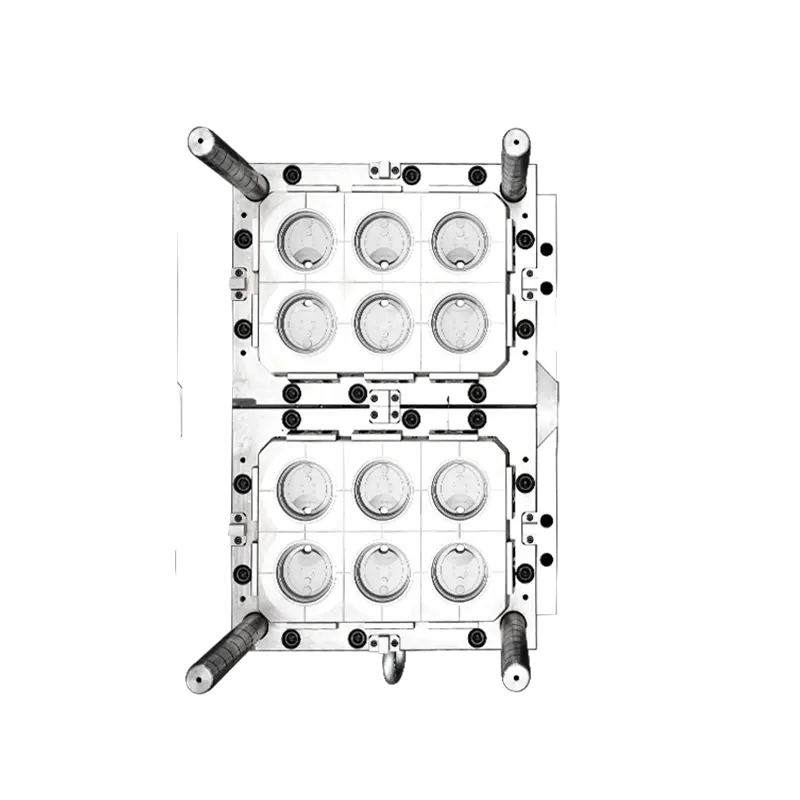
Yes. The actual cup rim is the best reference for snap fit, sealing, release force and tolerance review across all 12 cavities. If physical samples are unavailable, send both cup and lid drawings.
When is a 12CAV coffee cup lid mould the better choice?
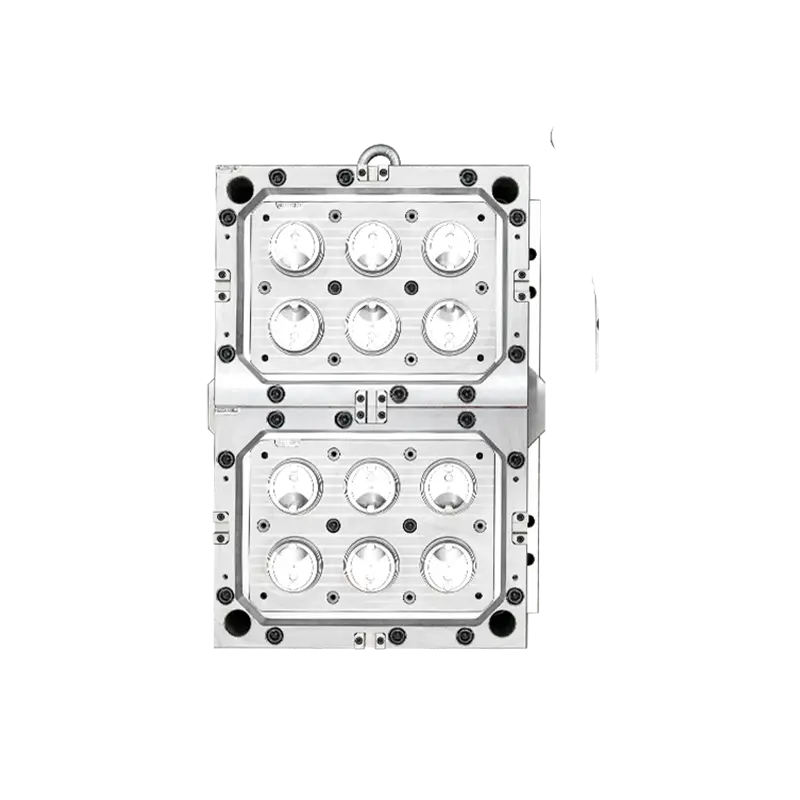
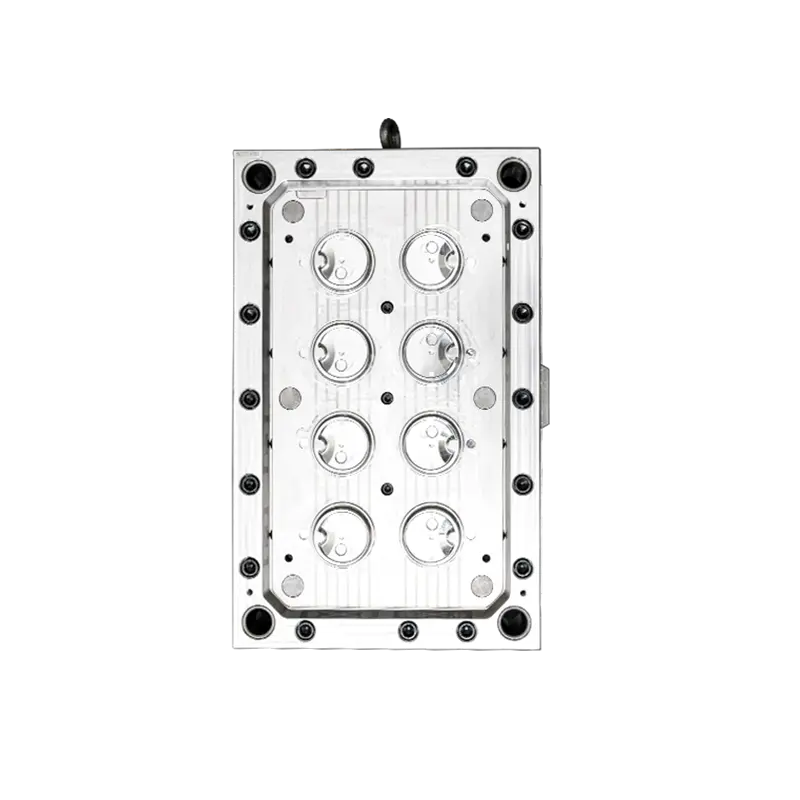
It fits buyers with stable demand, suitable machine capacity and automation that can handle the higher output. If production demand is uncertain or product variants change often, an 8CAV mould may be easier to manage.
How should I compare a 12CAV lid mould with an 8CAV option?
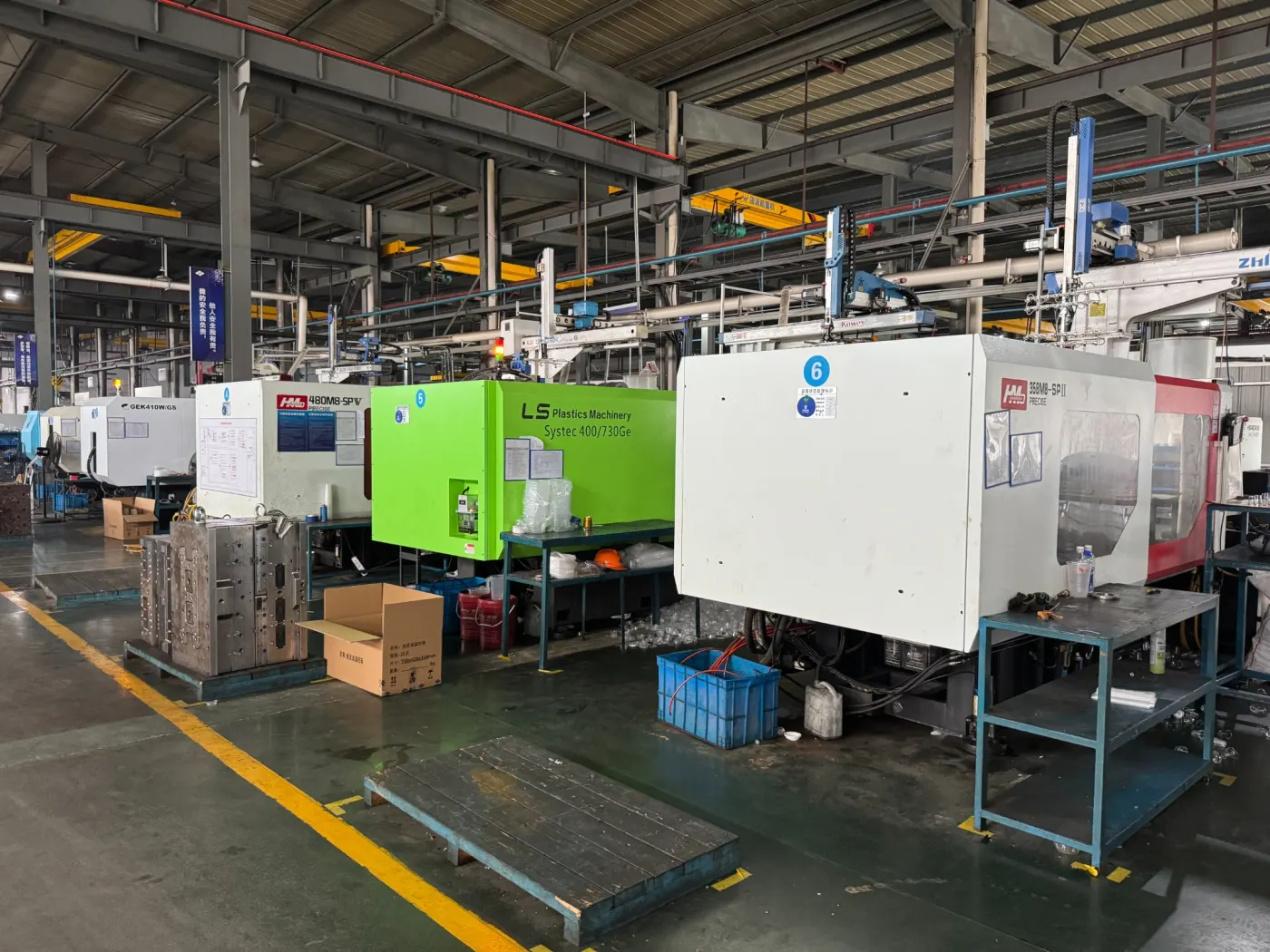
Compare projected area, shot weight, cooling load, machine tie bars, robot clearance, output target and maintenance staffing. A 12CAV mould is useful only when the line can run and inspect the extra output reliably.
Can independent inserts reduce maintenance time?
They can make local cavity service and later fit correction easier, especially when one rim, vent or drinking-slot detail needs attention. The insert layout must still protect cooling, strength and dimensional consistency.
What should be checked during the mould trial?
Check lid fit on the real cup, flatness, sip and vent features, 12-cavity weight balance, stack release, ejection marks and stability during continuous production.
What information helps quote a 12CAV lid mould accurately?
Share lid and cup drawings or samples, resin grade, lid diameter, target output, injection machine data, take-out automation, cycle target and the required fit or leak test.
What trial evidence should be reviewed before shipment?
Ask for cavity-numbered samples, short-shot balance, 12-cavity weight and dimension records, rim-fit results on the real cup, stack release checks and continuous-cycle video using the agreed resin.