Plastic spoons are an everyday item that we take for granted. They are found in kitchens, restaurants, and even in our lunchboxes. But have you ever wondered how these simple yet essential utensils are made? The process of manufacturing plastic spoons is a fascinating journey that begins with a plastic spoon mould and ends with a finished product ready for use.
At the heart of plastic spoon manufacturing is the plastic spoon mould. This is a critical component that determines the shape, size, and overall design of the spoon. The mould is typically made from high-quality steel, which is durable and can withstand the high temperatures and pressures involved in the manufacturing process. The design of the plastic spoon mould is carefully crafted to ensure that the spoon is functional, comfortable to hold, and aesthetically pleasing.
step in manufacturing plastic spoons is designing the plastic spoon mould. Engineers and designers use computer-aided design (CAD) software to create a detailed 3D model of the spoon. This model includes all the features of the spoon, such as the bowl, stem, and handle. The design must be precise, as any flaws in the mould will be reflected in the final product. Once the design is finalized, it is sent to a mould-making workshop where the plastic spoon mould is crafted using advanced machining techniques.
The process of creating a plastic spoon mould involves several steps. First, a block of steel is cut and shaped to the desired dimensions. Then, using precision tools, the cavity of the spoon is carved out. This cavity will determine the exact shape of the spoon. The handle and stem are also carefully shaped to ensure they are ergonomic and comfortable to use. The plastic spoon mould is then polished to a high shine to ensure a smooth finish on the final product.
Once the plastic spoon mould is ready, the manufacturing process can begin. common method used to produce plastic spoons is injection moulding. This involves heating plastic pellets until they melt into a liquid form. The molten plastic is then injected into the plastic spoon mould under high pressure. The pressure ensures that the plastic fills every detail of the mould, creating a greatly shaped spoon.
After the plastic has been injected into the plastic spoon mould, it is allowed to cool and solidify. This process can take anywhere from a few seconds to a few minutes, depending on the thickness of the spoon and the type of plastic used. Once the plastic has cooled, the mould is opened, and the spoon is ejected. The newly formed spoon is then inspected for any defects or imgreations.
Quality control is a crucial step in the manufacturing process. Each spoon is carefully inspected to ensure it meets the required standards. Any spoons that do not meet the quality criteria are discarded. The remaining spoons are then subjected to a series of finishing processes. This may include trimming any excess plastic, known as flash, and polishing the spoon to give it a smooth, shiny finish.
After the finishing processes are complete, the plastic spoons are ready for packaging. They are typically packaged in bundles or boxes, often with multiple spoons per package. The packaging is designed to protect the spoons during transportation and to make them easy to handle and store. Once packaged, the spoons are shipped to distributors, who then supply them to restaurants, supermarkets, and other retailers.
While plastic spoons are convenient and widely used, they also pose significant environmental challenges. Many plastic spoons are made from non-biodegradable materials, which can take hundreds of years to decompose. To address this issue, some manufacturers are exploring the use of biodegradable plastics or recycled materials in their plastic spoon moulds. This not only reduces waste but also helps to minimize the environmental impact of plastic spoon production.
The manufacturing of plastic spoons is constantly evolving. Advances in technology have led to the development of more efficient and precise plastic spoon moulds. For example, some manufacturers are using 3D printing to create prototype moulds, allowing for faster and more accurate design iterations. Additionally, new types of plastics are being developed that are more durable, lightweight, and environmentally friendly.
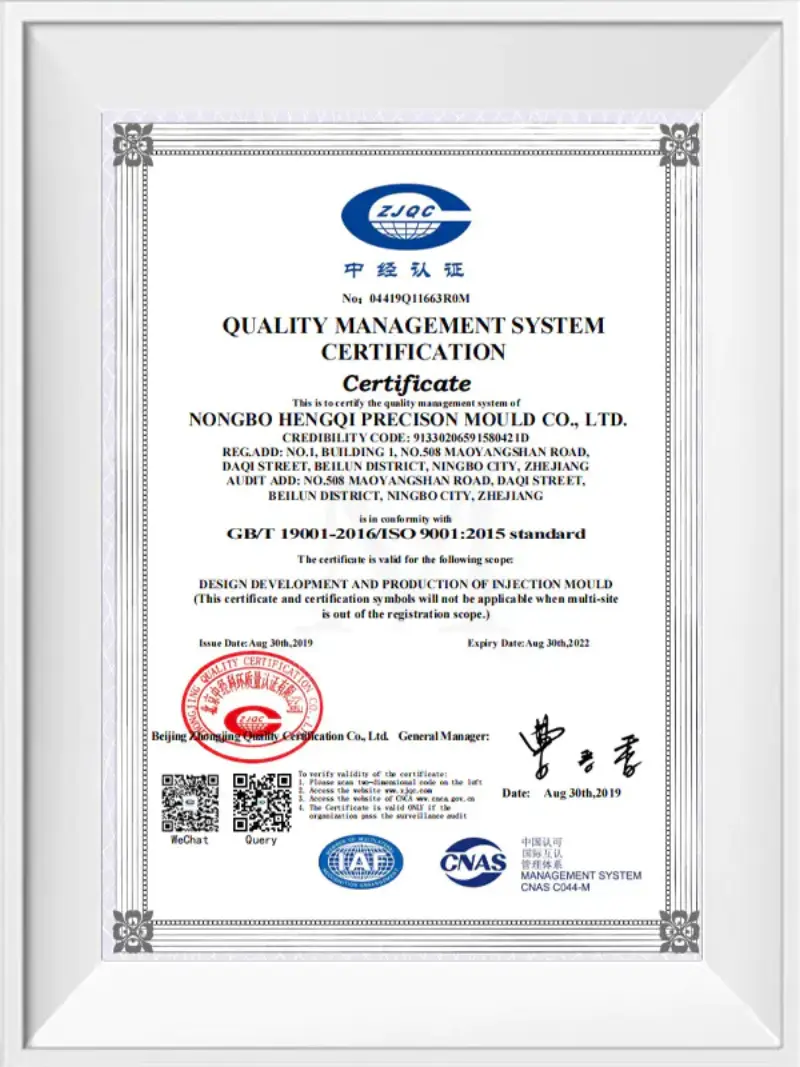
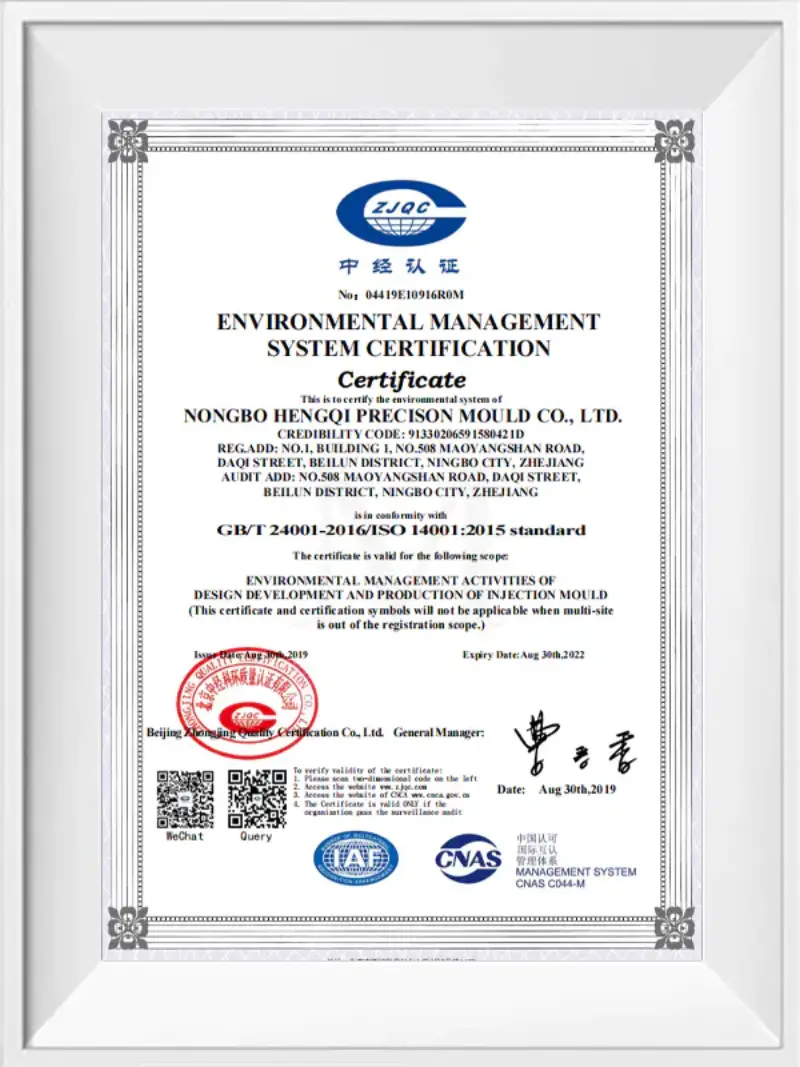
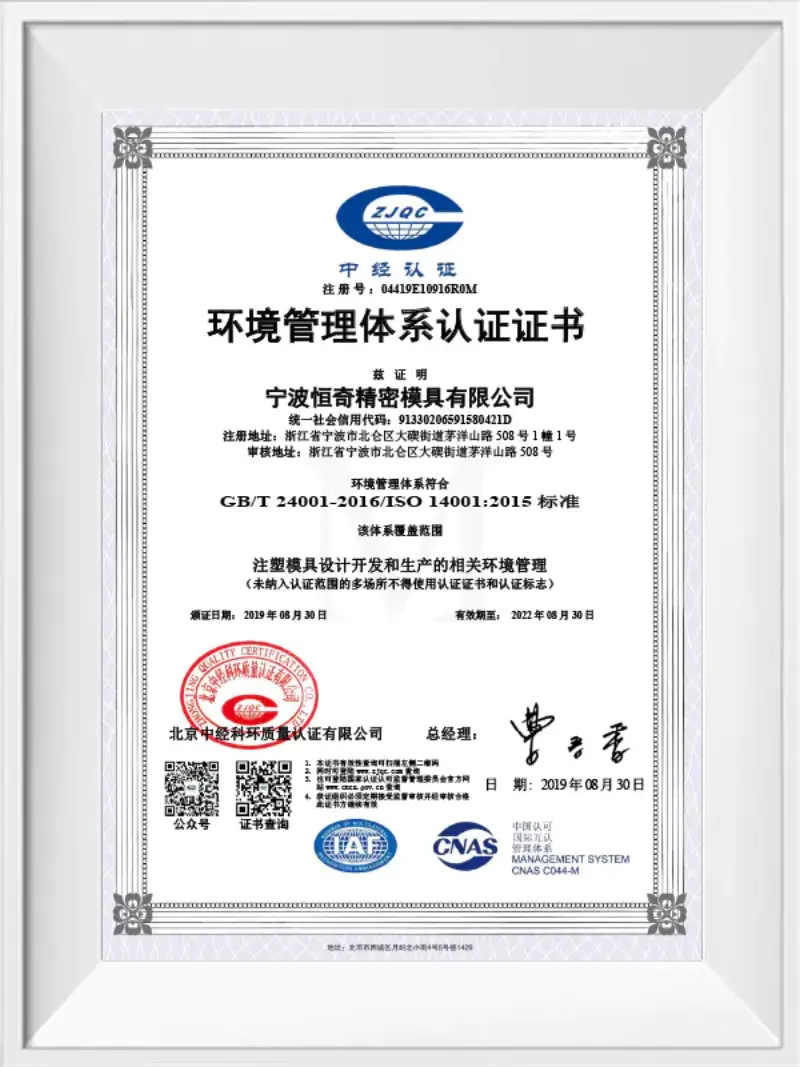
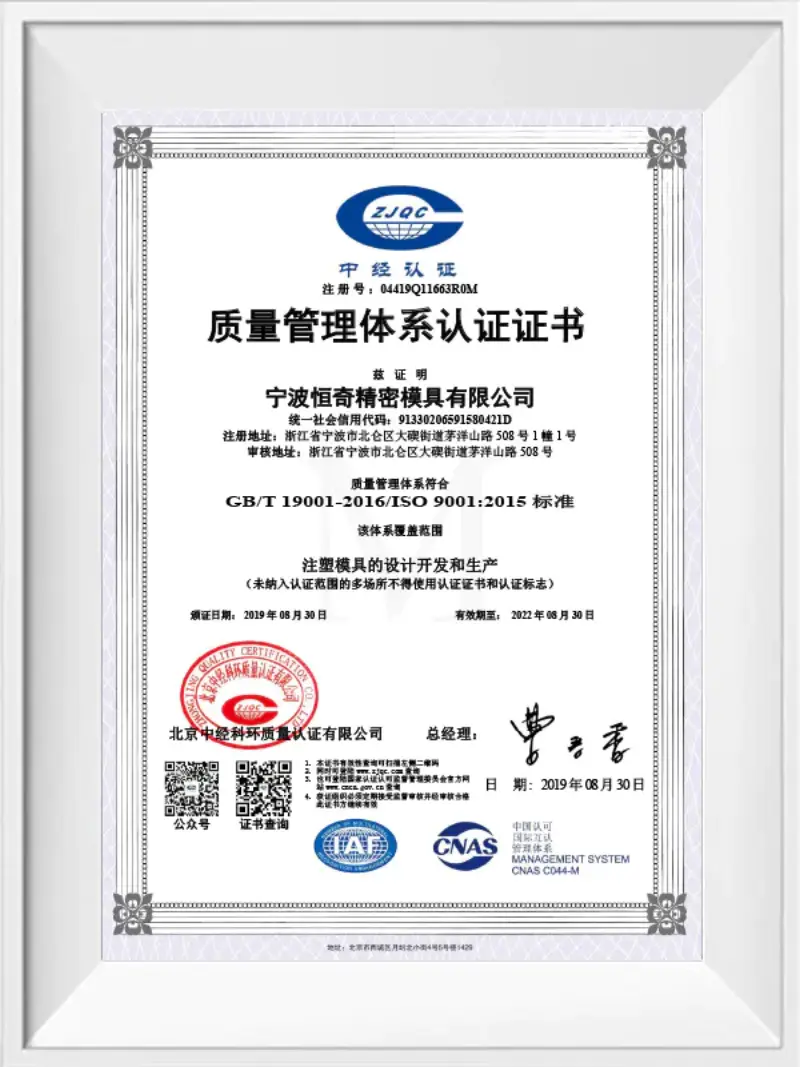
Ningbo Hengqi Precision Mould Co., Ltd. is professional China Plastic Injection Mould Manufacturers and custom Plastic Injection Mould factory, engaged in the development and manufacture of thin-wall packaging moulds. Our company has complete manufacturing equipment, scientific quality management system, rich practical experience in mould and hot runner production, combined with professional system design, using high-precision high-speed machining centers to achieve mold processing high standards. Hengqi Mould is in the leading position in the field of thin-wall injection molds in China. It produces thousands of sets of PP lunch boxes, cups and in-mold labeling system molds with a wall thickness of 0.35-0.45MM each year, which are supplied to the domestic market and exported to overseas. Hengqi Mould adheres to the spirit of continuous innovation and development of precision moulds.
In 2012, Hengqi Mould Factory was established.
In 2016, Hengqi Enterprise established Tianjin factory.
In 2017, Hengqi officially changed from individual to company.
In 2019, Hengqi established Chengdu branch and Betterfork cutlery department.
In 2024, Hengqi continues to expand international markets.