Plastic containers show up in pretty much every home and every kind of factory these days. Right at the center of making them are the plastic container moulds. These moulds decide the actual shape of the container and how well it does its job once it reaches people' s hands. They also have a big say in how quickly and smoothly the whole production line runs and how much material gets used up along the way.
In today' s factories, mould design works like that hidden connection that takes an early idea on paper and turns it into piles of finished containers ready to sit on store shelves or in kitchen cupboards. It brings together the creative side with the hard reality of churning out the same piece over and over without the line constantly stopping or throwing away too much scrap.
Plastic container mould have to walk a fine line between being really accurate, lasting a long time, and letting the factory keep a steady pace. The design mixes ideas from different fields – how materials behave, how melted plastic flows, and how shapes hold together when pressure hits them. All this work makes sure the final containers come out with steady shapes and the right measurements every single time.
How the mould is built and the paths the plastic takes inside it decide whether the material fills up evenly or leaves thin spots and thick spots. The cooling channels matter a lot because they control how fast each piece hardens and whether the outside surface ends up smooth or rough. Tougher moulds make it easier to keep the same quality when the machines are running heavy volumes shift after shift.
The real science tucked into each mould ends up affecting both how the product feels in the hand and how fast the whole factory can move.
Choosing the right material for the mould decides how well it handles the heat and pressure that hit it cycle after cycle. It also affects how long the mould can keep running before it needs fixing and how much time and money goes into looking after it. Materials that stand up to wear let the mould stay in service longer without losing its sharp edges or tight fits. Special treatments on the surface help the plastic pop out cleanly and give the container a nicer finish right from the mould.
When the material choice matches the actual way the plastic gets processed, the whole production run feels more stable. Things line up better, there are fewer surprise breakdowns, and the output doesn' t swing wildly from one batch to the next.
Plastic container moulds sit right in the middle of how modern automated factories operate. When a precise mould teams up with automatic injection machines, the line can keep rolling along at a good steady speed. Automatic checking systems watch the parts as they come out and catch problems early so fewer bad pieces slip through. Easy ways to switch moulds or do regular cleaning add flexibility – the same machines can handle different jobs without sitting idle for hours.
The biggest efficiency gains happen when the mould and the rest of the equipment actually work together smoothly instead of constantly fighting each other during a shift.
Market tastes keep shifting, so the shapes and jobs that plastic containers need to do keep changing too. Good moulds let factories create tricky curves and special features that older methods struggled with. Features like solid seals, the ability to hold pressure, or containers that stack neatly without sliding around all come down to how the mould is shaped and cut. The growing demand for more custom or personalized orders keeps pushing mould makers to update their designs.
New thinking in mould work helps containers take on fresh roles and fit better into changing markets without having to redesign everything from the ground up each time a new request comes in.
Pressure around plastic items pushes mould design and factory processes toward practices that lighten the load on resources. Efforts focus on cutting down wasted material and shortening each injection cycle where possible. When working with materials that can be recycled the mould must account for how those plastics behave during filling and cooling. Longer-lasting moulds and smoother production runs mean fewer resources get used overall to reach the same output.
In this way moulds sit at the center of systems that aim for steadier manufacturing with less leftover scrap and lower overall impact.
Mould accuracy is what really decides whether the plastic containers all come out looking the same in size and shape. Shops use precise measuring tools when they build the mould and then again when they monitor the pieces coming off the line every day. They keep a close eye on the gaps and how things fit together so each container stays within the limits that matter. That way the stacks sit straight and the seals actually work like they should.
All the numbers and checks from quality control get sent back so the team can tweak the mould and make the next batch better. Just keeping steady watch on these small things helps the whole run stay reliable. You don' t see wild differences from one batch to the next. The line keeps moving and the containers turn out steady enough for what customers expect.
Plastic container moulds get used in lots of different places. You see them in food packaging, medical supply holders, cosmetic jars, electronic part trays, and plenty more. Every industry has its own set of rules. Some need certain materials that are safe for food. Others want structures that hold up under special conditions. The moulds can be adjusted a little bit here and there to fit those different needs.
One basic design can then work across several fields without starting everything from scratch. When moulds are built to handle more than one job, it becomes much easier for the production line to switch from one type of container to another. This kind of flexibility lets factories take on all sorts of orders. They can keep their output varied and respond faster when customers ask for something new. No need to buy completely new equipment every single time a different request comes in.
Mould design now leans more on digital methods and simulation programs to test ideas before cutting metal. Software helps plan the full shape and machining steps in advance. Flow simulations show how plastic will move and cool inside the mould so problems can be spotted early. These digital steps cut down on the number of physical trials needed and keep development on a tighter schedule. Upgrades like this make the whole manufacturing process for moulds more accurate and reduce time lost to repeated testing.
Keeping moulds in good condition ties directly to keeping production lines running without unexpected stops and helps control overall expenses. Regular checks and simple surface care reduce wear and catch small issues before they grow. Clear steps for taking moulds apart, cleaning them, and putting them back together make upkeep quicker and more consistent. Tracking systems log usage history and performance notes so decisions about repairs or replacements come from real records rather than guesswork.
Good maintenance habits protect the stability of daily output and stretch the useful life of each mould.
Customers and big buyers keep asking for more specific stuff, so plastic container moulds are getting pushed toward custom solutions all the time. You get different sizes, odd shapes, and extra little features that let the containers actually fit whatever need pops up in the market. When things change fast out there, the ability to tweak a mould without waiting weeks suddenly becomes pretty important.
Doing custom mould work opens up more variety in what comes off the line and gives makers a better shot at standing out when the shelves are packed with similar products. If the mould capabilities stay close to what the market is actually asking for right now, production stays useful and can react quicker as time goes by instead of falling behind.
Little tweaks in how moulds get designed end up linking to bigger ways factories try to juggle speed, keeping things accurate, and not wasting too many resources. Hengqi runs a place that specializes in plastic container moulds. They really focus on making sure the designs help the output stay steady and can shift when needs change. The team sticks to straightforward practical steps that hold quality steady no matter what kind of run they are doing or which industry it is for.
With small improvements over time, the facility adds to the slow but steady progress in mould making. It lines up with wanting better efficiency while still paying attention to how materials move through the process. This kind of setup helps keep things developing in manufacturing so early ideas can turn into regular everyday containers without suddenly shaking up the way production has always worked.
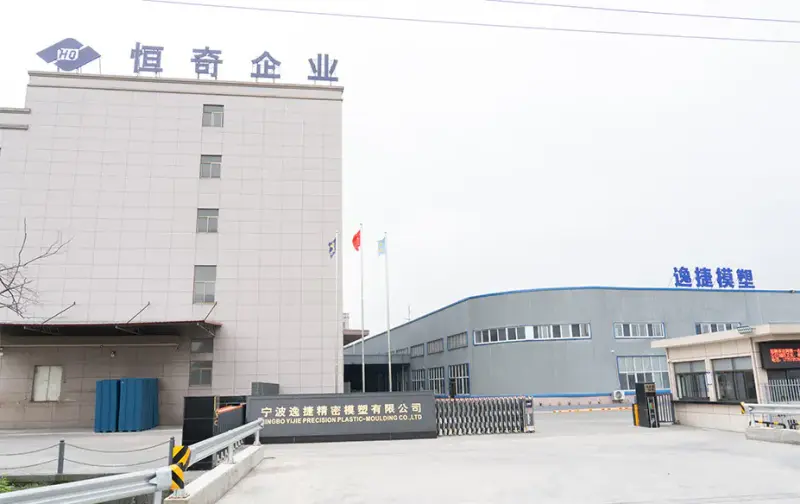
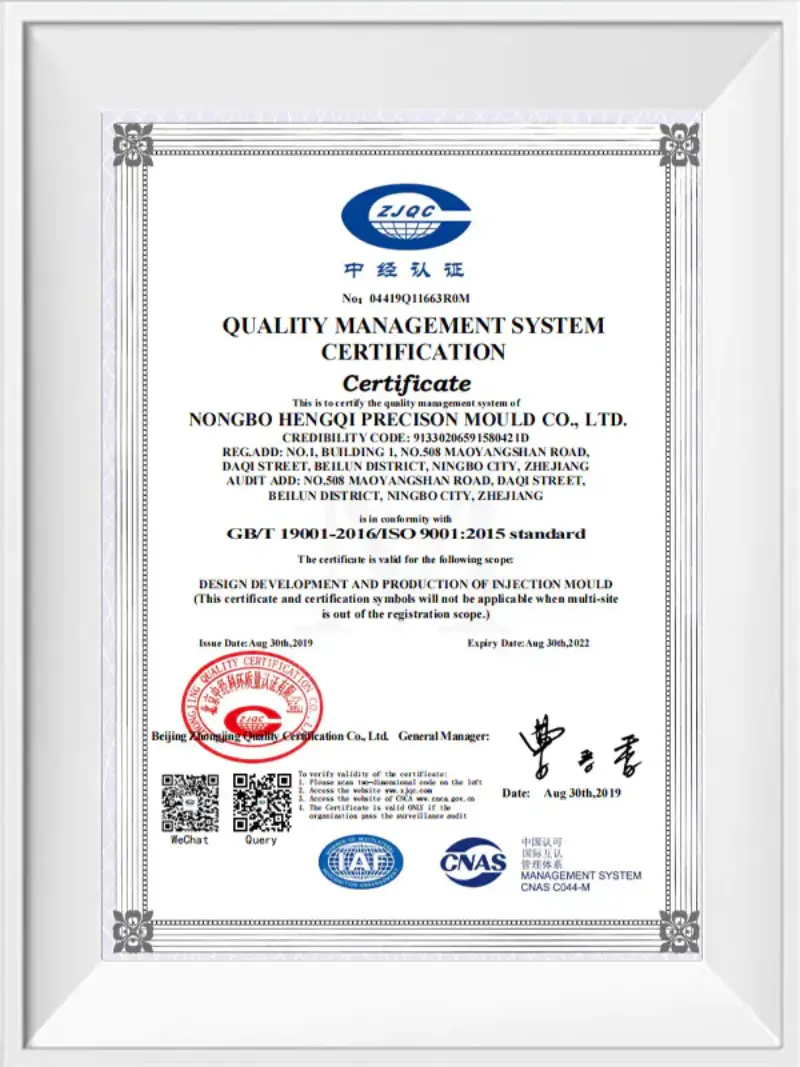
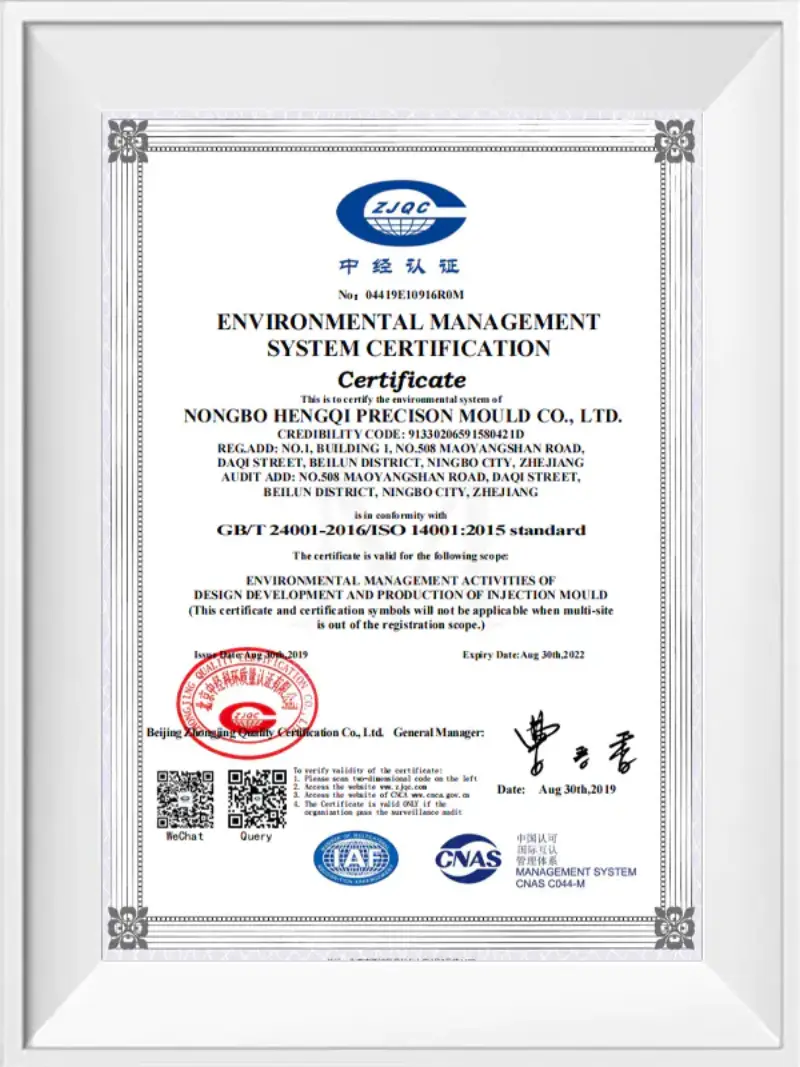
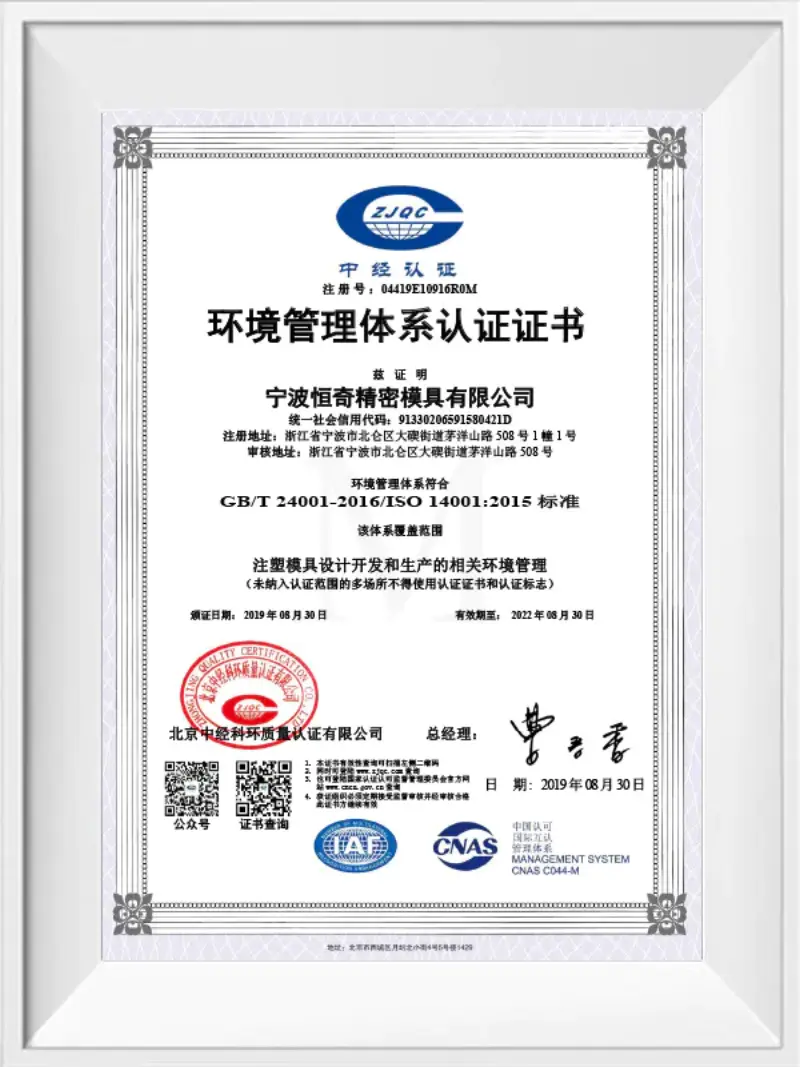
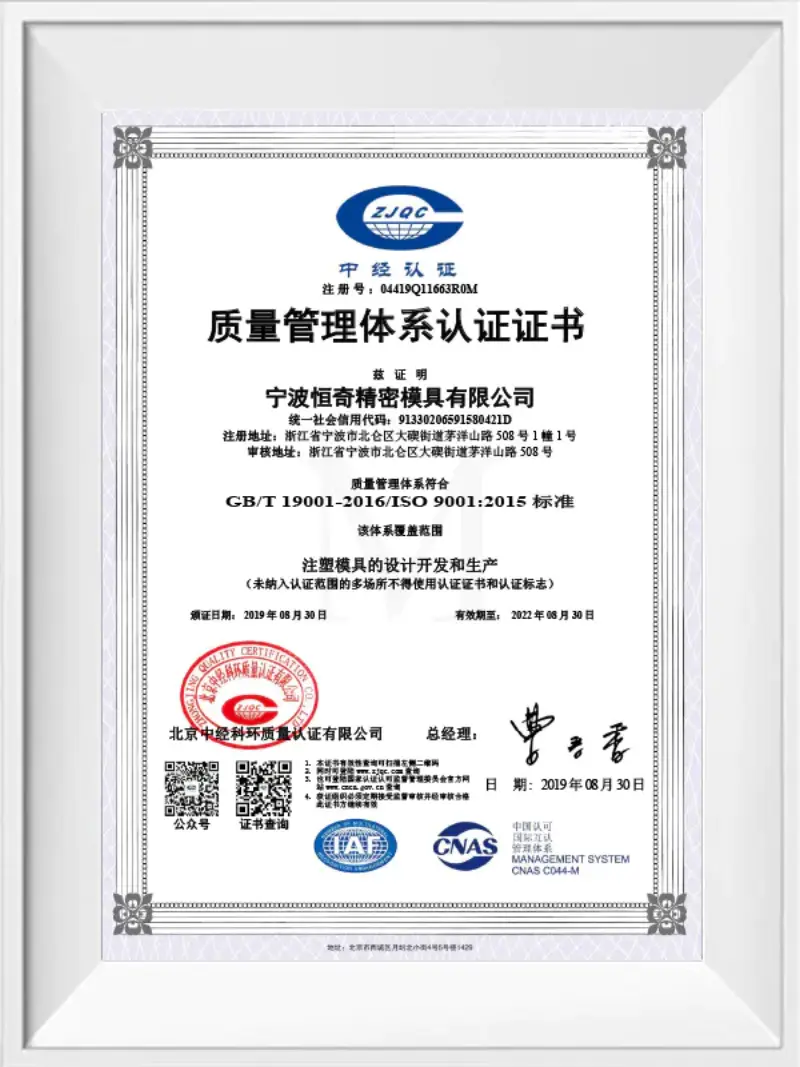
Ningbo Hengqi Precision Mould Co., Ltd. is professional China Plastic Injection Mould Manufacturers and custom Plastic Injection Mould factory, engaged in the development and manufacture of thin-wall packaging moulds. Our company has complete manufacturing equipment, scientific quality management system, rich practical experience in mould and hot runner production, combined with professional system design, using high-precision high-speed machining centers to achieve mold processing high standards. Hengqi Mould is in the leading position in the field of thin-wall injection molds in China. It produces thousands of sets of PP lunch boxes, cups and in-mold labeling system molds with a wall thickness of 0.35-0.45MM each year, which are supplied to the domestic market and exported to overseas. Hengqi Mould adheres to the spirit of continuous innovation and development of precision moulds.
In 2012, Hengqi Mould Factory was established.
In 2016, Hengqi Enterprise established Tianjin factory.
In 2017, Hengqi officially changed from individual to company.
In 2019, Hengqi established Chengdu branch and Betterfork cutlery department.
In 2024, Hengqi continues to expand international markets.