The global IML mould sector continues advancing as manufacturers seek integrated solutions combining decoration and production in single operations. Market analysis indicates the in-mould labelling market is projected to reach approximately $5.8 billion by 2033, growing at a compound annual rate of around 5.2 percent, with IML mould technology serving as the enabling foundation for this expansion across food, beverage, and consumer goods packaging applications.
An IML mould is a specialized injection mould designed to accept pre-printed labels that become permanently fused with plastic products during the moulding cycle. The fundamental distinction between conventional moulds and IML mould lies in the integration of label handling systems that position and secure labels within the cavity before plastic injection begins. IML mould construction requires precise engineering to accommodate label placement mechanisms, with tolerances measured in hundredths of millimeters to ensure accurate label positioning throughout high-volume production runs.
IML mould engineering must account for the interaction between label material and flowing plastic, ensuring complete cavity fill without displacing the pre-positioned label.
Several technological elements distinguish advanced IML mould systems from conventional tooling. Label fixation technology represents the critical IML mould subsystem, with electrostatic systems generating high-voltage charges that hold labels against cavity surfaces during injection, while vacuum-based alternatives utilize precisely positioned micro-holes to secure labels through suction. Precision alignment mechanisms in IML mould designs ensure labels register correctly with part geometry, incorporating sensors and vision systems that verify label position before each cycle.
Automation integration transforms IML mould systems into complete production cells, with robotic handling for label placement and finished part removal synchronized precisely with mould cycles.
IML mould technology serves diverse applications across multiple industries with distinct requirements. Injection moulding dominates the IML landscape, accounting for approximately 80 percent of European market applications, producing items ranging from dairy containers to thin-wall packaging where labels become permanent decorative and informational elements. Blow moulding IML applications serve the detergent, juice, and personal care sectors, creating labeled bottles in single operations with vacuum label fixation systems accommodating complex container geometries.
Sustainability considerations increasingly influence IML mould development, with label materials designed for compatibility with recycling streams enabling clean separation during reprocessing. The integration of digital printing with IML mould systems supports shorter production runs and variable data capabilities, allowing brand-specific customization without dedicated label inventories.
The IML mould sector appears positioned for continued advancement as packaging efficiency and visual appeal remain priorities across consumer goods industries. These specialized tools will maintain their essential role in producing decorated plastic products where label permanence and production speed provide competitive advantages. Material innovations and process refinements promise to expand IML mould applications into new product categories while improving sustainability profiles through reduced material usage and enhanced recyclability.
We recommend the 8CAV IML cup mould from Ningbo Hengqi Precision Mould Co., Ltd. This high-cavitation mould features 8 cavities for efficient mass production of decorated plastic cups. Integrated with In-Mould Labeling (IML) technology, it enables seamless label application during molding, creating durable, vibrant designs that won't peel or fade. Precision-engineered for consistent quality and quick cycle times, it's ideal for food packaging and promotional cups.
Choose Hengqi for advanced mould solutions that combine productivity with predominant decorative finishes.
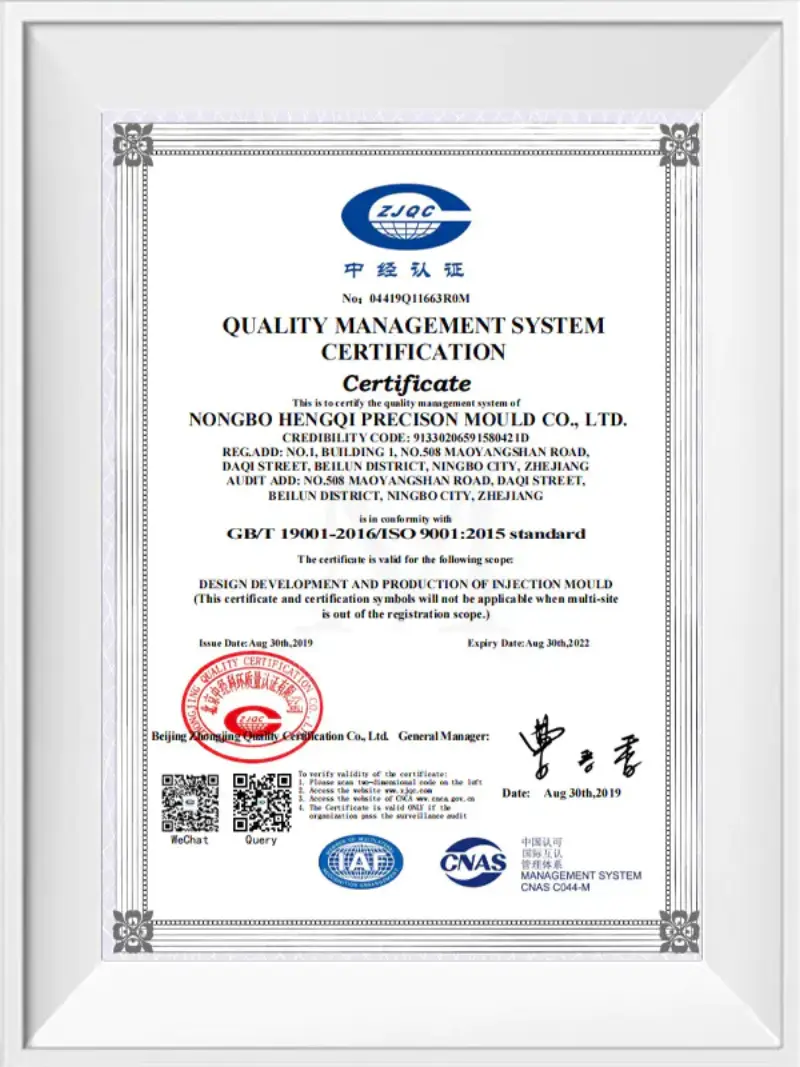
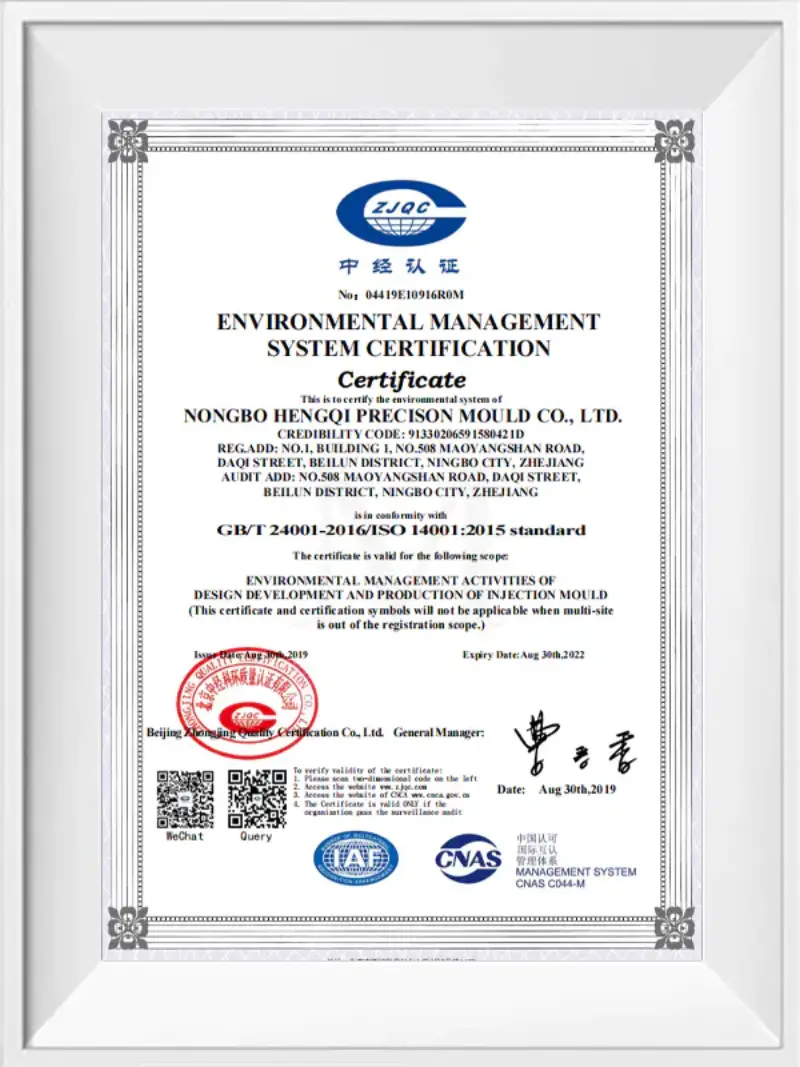
Ningbo Hengqi Precision Mould Co., Ltd. is professional China Plastic Injection Mould Manufacturers and custom Plastic Injection Mould factory, engaged in the development and manufacture of thin-wall packaging moulds. Our company has complete manufacturing equipment, scientific quality management system, rich practical experience in mould and hot runner production, combined with professional system design, using high-precision high-speed machining centers to achieve mold processing high standards. Hengqi Mould is in the leading position in the field of thin-wall injection molds in China. It produces thousands of sets of PP lunch boxes, cups and in-mold labeling system molds with a wall thickness of 0.35-0.45MM each year, which are supplied to the domestic market and exported to overseas. Hengqi Mould adheres to the spirit of continuous innovation and development of precision moulds.
In 2012, Hengqi Mould Factory was established.
In 2016, Hengqi Enterprise established Tianjin factory.
In 2017, Hengqi officially changed from individual to company.
In 2019, Hengqi established Chengdu branch and Betterfork cutlery department.
In 2024, Hengqi continues to expand international markets.