In today’s world of fast-paced logistics, organized storage, and industrial efficiency, injection molded boxes have become an indispensable component across countless industries. Though often overlooked, these robust and versatile containers are foundational to the safe transportation, protection, and organization of goods in manufacturing, agriculture, healthcare, and retail. Their durability, cost-effectiveness, and adaptability make them a smart choice for both commercial and personal use.
At their core, injection molded boxes are plastic containers created through a process called injection molding. In this process, molten plastic is injected into a precision-engineered mold cavity under high pressure. Once the plastic cools and solidifies, it forms a sturdy, uniform box that is both lightweight and highly durable. This technique allows for mass production of identical boxes with consistent dimensions and performance.
One of the major advantages of injection molded boxes is their strength-to-weight ratio. Unlike cardboard boxes or flimsy plastic alternatives, these boxes can endure heavy loads and harsh handling without deformation. This makes them ideal for shipping delicate or high-value items, stacking in warehouses, and protecting contents from moisture, dust, and mechanical damage.
In manufacturing and industrial sectors, injection molded boxes play a critical role in organizing tools, components, and products. Factories often rely on these boxes for material handling and part storage, ensuring smooth workflow and easy inventory management. Their standardized sizes and modular design allow them to be used with automated systems, making processes more efficient and reducing labor costs.
The food industry has also widely adopted injection molded boxes for their hygienic properties and ease of cleaning. These boxes are commonly used for transporting fresh produce, seafood, dairy products, and meat, thanks to their resistance to contaminants and their ability to withstand temperature changes. Unlike wooden crates or cardboard, injection molded boxes do not absorb moisture or harbor bacteria, which is crucial in food safety.
In agriculture, injection molded boxes have proven extremely useful in harvesting and transporting crops. Farmers rely on them to move fruits and vegetables from the field to packaging centers, often stacking them in high volumes. The ventilated versions allow airflow to keep produce fresh during transit. Reusable and resistant to environmental wear, these boxes support sustainability by reducing the need for single-use containers.
Another key benefit of injection molded boxes is their customization. Manufacturers can produce them in various sizes, colors, and designs tailored to specific industry needs. Logos, labels, or barcodes can be embedded directly into the plastic, enhancing branding and traceability. Many models also feature lids, locking mechanisms, or divider inserts for added functionality.
Retail businesses and e-commerce companies are increasingly turning to injection molded boxes for storage and order fulfillment. They help streamline picking, packing, and shipping operations. Because of their uniformity, they stack efficiently, saving space in warehouses and reducing transportation costs. Their reusability makes them eco-friendlier than cardboard, especially in closed-loop logistics systems.
Even in residential settings, injection molded boxes are gaining popularity for organizing tools, toys, seasonal decorations, or garage items. Their waterproof and dustproof nature makes them a go-to option for long-term storage. Homeowners appreciate their sturdiness and the ability to label or color-code them for easy identification.
In terms of sustainability, injection molded boxes score well when used as part of reusable systems. Although they are made from plastic, their longevity significantly offsets environmental concerns. Many are made from recyclable or even recycled materials. Their ability to be reused hundreds of times dramatically reduces waste compared to disposable packaging.
Injection molded boxes may not be glamorous, but they are certainly essential. Their adaptability, strength, and efficiency have secured them a central role in modern logistics, agriculture, manufacturing, and home organization. Whether it's for industrial parts, fresh produce, or garage tools, these boxes offer unmatched performance and reliability.
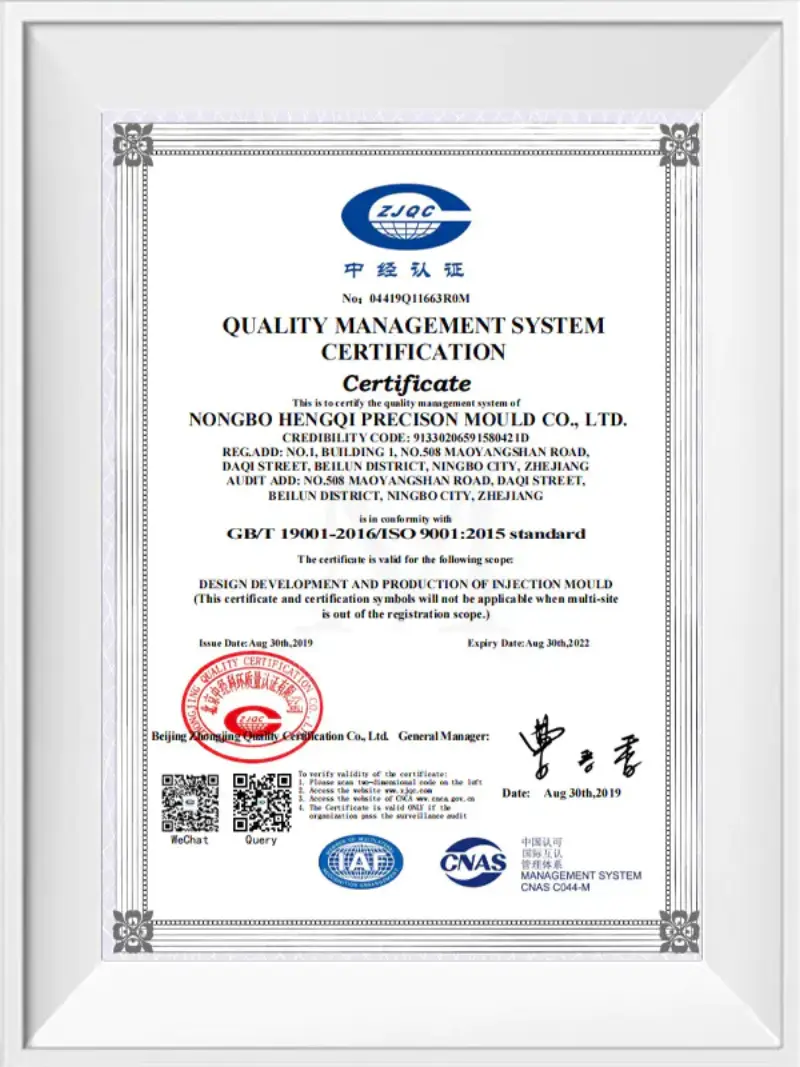
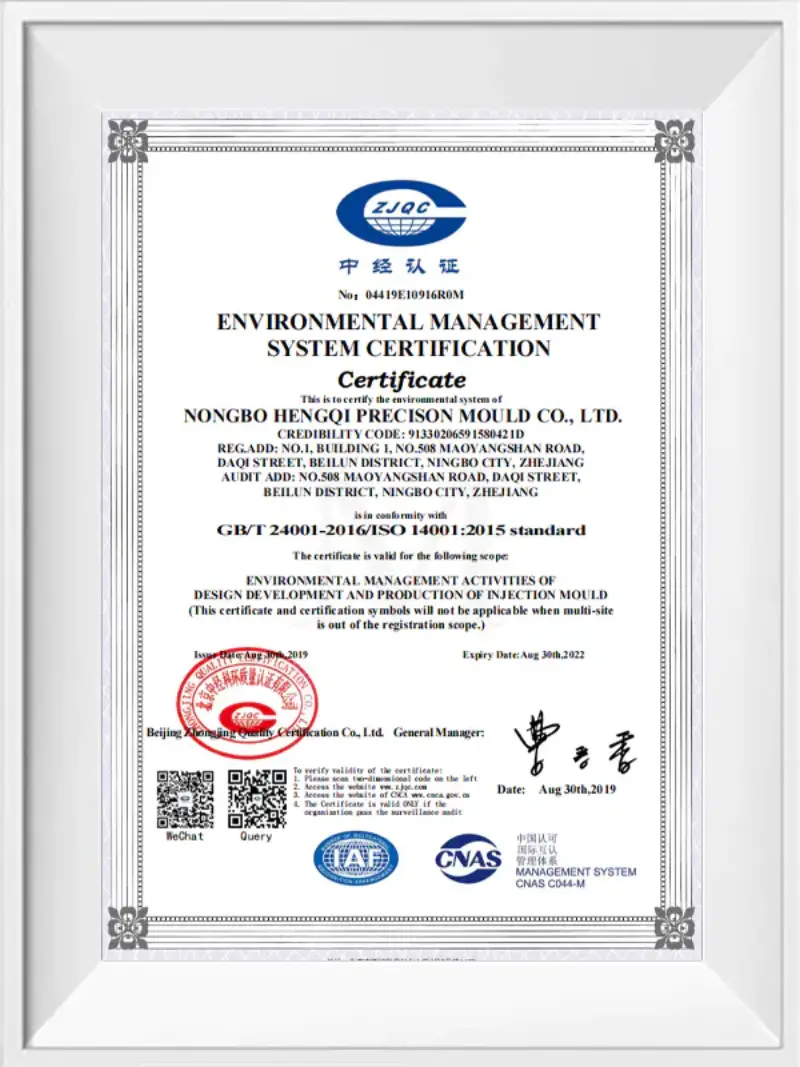
Ningbo Hengqi Precision Mould Co., Ltd. is professional China Plastic Injection Mould Manufacturers and custom Plastic Injection Mould factory, engaged in the development and manufacture of thin-wall packaging moulds. Our company has complete manufacturing equipment, scientific quality management system, rich practical experience in mould and hot runner production, combined with professional system design, using high-precision high-speed machining centers to achieve mold processing high standards. Hengqi Mould is in the leading position in the field of thin-wall injection molds in China. It produces thousands of sets of PP lunch boxes, cups and in-mold labeling system molds with a wall thickness of 0.35-0.45MM each year, which are supplied to the domestic market and exported to overseas. Hengqi Mould adheres to the spirit of continuous innovation and development of precision moulds.
In 2012, Hengqi Mould Factory was established.
In 2016, Hengqi Enterprise established Tianjin factory.
In 2017, Hengqi officially changed from individual to company.
In 2019, Hengqi established Chengdu branch and Betterfork cutlery department.
In 2024, Hengqi continues to expand international markets.