As global industries grow increasingly competitive, the demand for innovative manufacturing tools continues to rise. At the heart of this evolution lies the box mould, a critical component used in the production of high-quality storage and shipping containers. With continuous advancements in material science and manufacturing techniques, the box mould is becoming more sophisticated, reliable, and efficient.
Traditionally, a box mould was considered a basic tool used for shaping plastic or metal boxes. However, today’s market demands far more—faster cycle times, good surface finishes, and multi-functional capabilities. Modern box mould designs now incorporate complex geometry, multi-cavity systems, and temperature control features to meet these expectations.
A multi-cavity box mould allows manufacturers to produce multiple boxes in a single cycle. This drastically increases output without requiring more machinery or space. Industries that rely on high-volume production, such as logistics or consumer packaging, greatly benefit from this kind of box mould design.
One of the major breakthroughs in recent years has been the integration of hot runner systems into the box mould. These systems keep the plastic material at a consistent temperature, reducing waste and improving the quality of the final product. A hot runner-equipped box mould also speeds up the moulding process and minimizes defects like cold spots or short shots.
Automation has also transformed the way a box mould operates. With the help of robotic arms and automated ejection systems, the entire moulding cycle—from material injection to product removal—can now be handled without manual intervention. This reduces labor costs and enhances precision. Smart sensors embedded within the box mould can monitor pressure and temperature in real-time, offering critical data for process optimization.
Durability is another area of focus in modern box mould technology. Advanced surface coatings like titanium nitride or chromium plating are used to extend the lifespan of the mould. These coatings resist corrosion, reduce friction, and allow the box mould to withstand thousands of cycles without significant wear.
Flexibility in design is also becoming increasingly important. A single box mould can now be adapted to create different versions of a product by using interchangeable inserts. This modular approach reduces the need for separate moulds for every design variation, making production more economical and adaptable to changing market needs.
From an environmental standpoint, the box mould plays a crucial role in reducing plastic waste. Precision moulding minimizes excess material usage, and new moulds are often designed to handle biodegradable or recycled plastics. As sustainability becomes a core value in manufacturing, the box mould is evolving to support greener production methods.
Industries such as agriculture, automotive, and healthcare rely on durable and reliable containers. A box mould tailored to these sectors must meet specific standards in strength, hygiene, and resistance to bad conditions. For instance, in medical applications, the box mould must produce sterile and tamper-proof boxes to ensure product integrity.
The cost of developing a custom box mould can be high, but the long-term benefits outweigh the initial investment. Manufacturers save on material, labor, and time over thousands of production cycles. Additionally, a high-quality box mould ensures that every box produced meets regulatory and aesthetic standards, reducing the likelihood of recalls or rework.
The box mould is not just a tool—it’s a cornerstone of modern industrial manufacturing. Its ability to combine precision, speed, and adaptability makes it indispensable across multiple sectors. With ongoing innovations, the box mould will continue to shape the future of production, meeting the world’s growing need for smart, sustainable, and scalable manufacturing solutions.
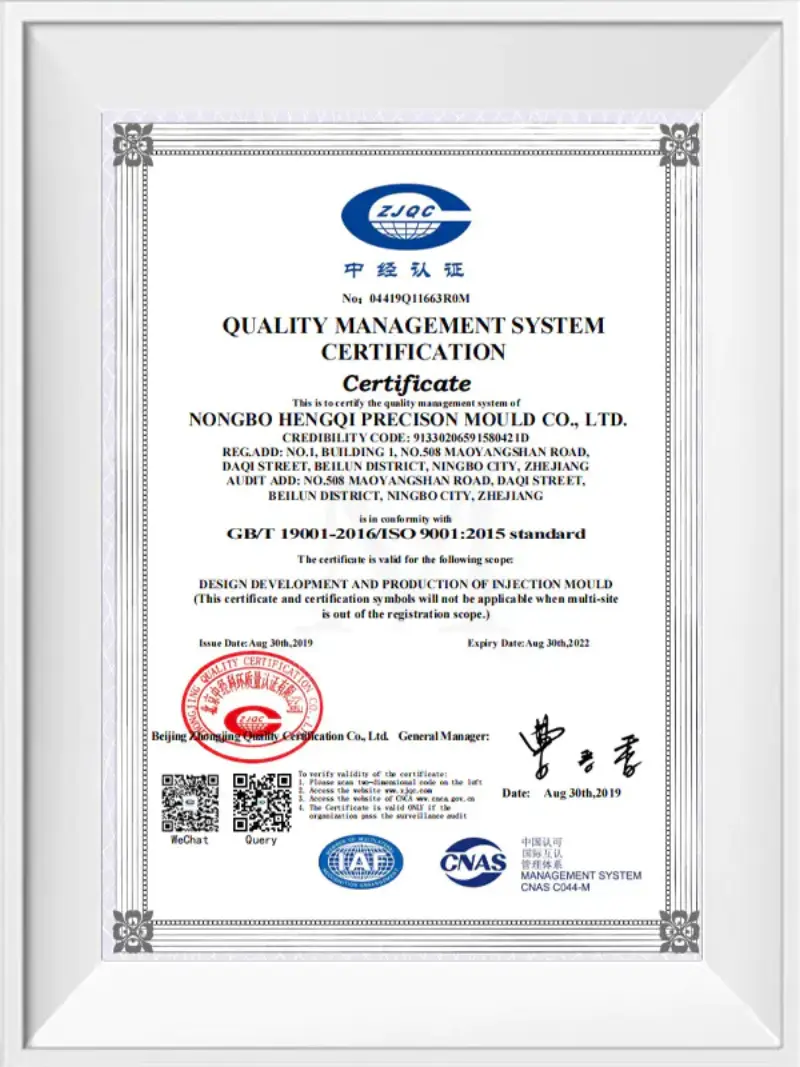
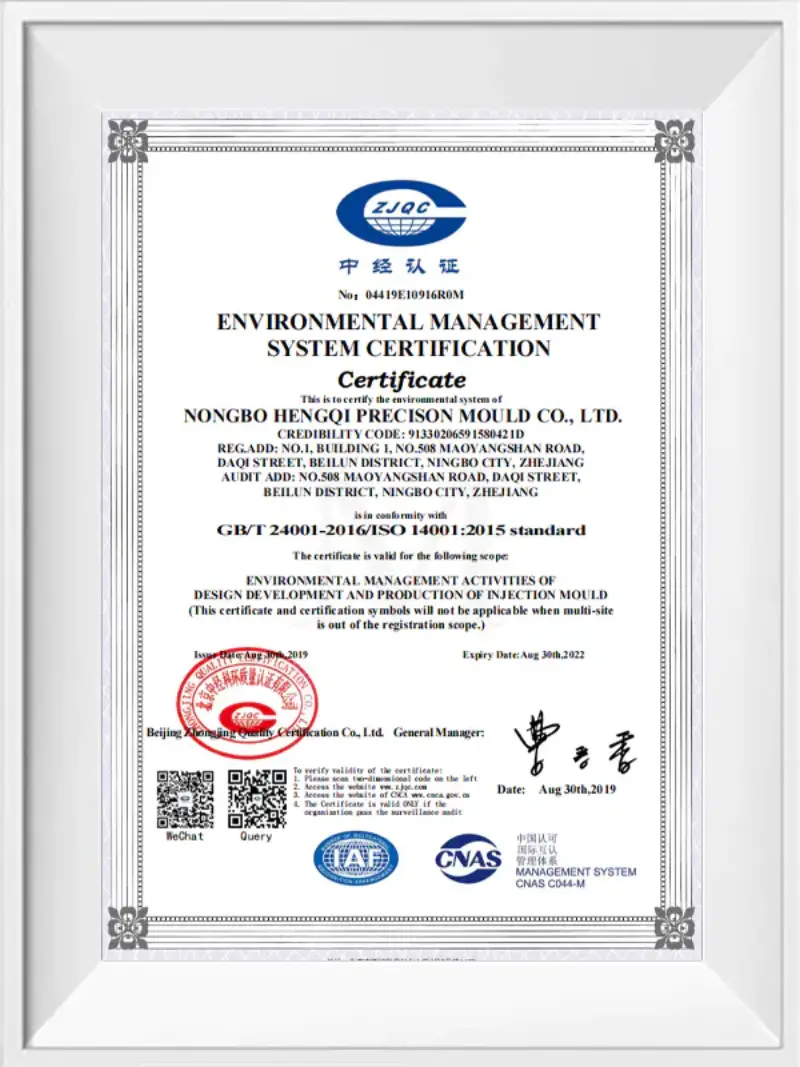
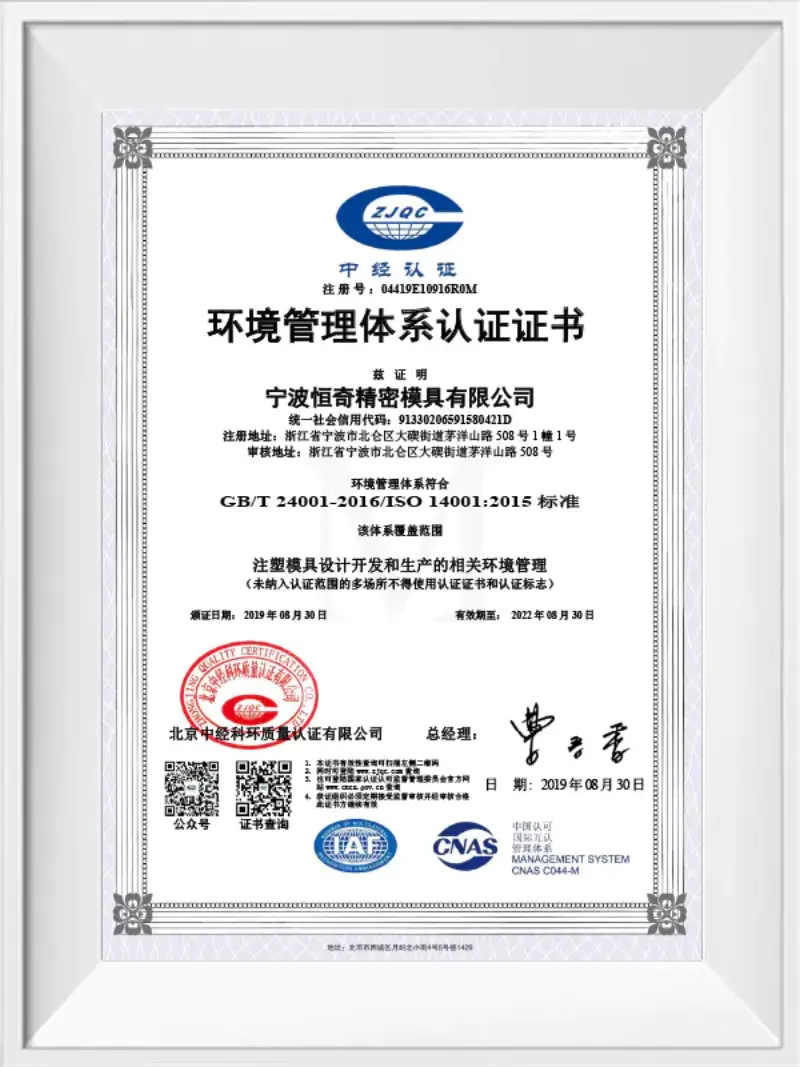
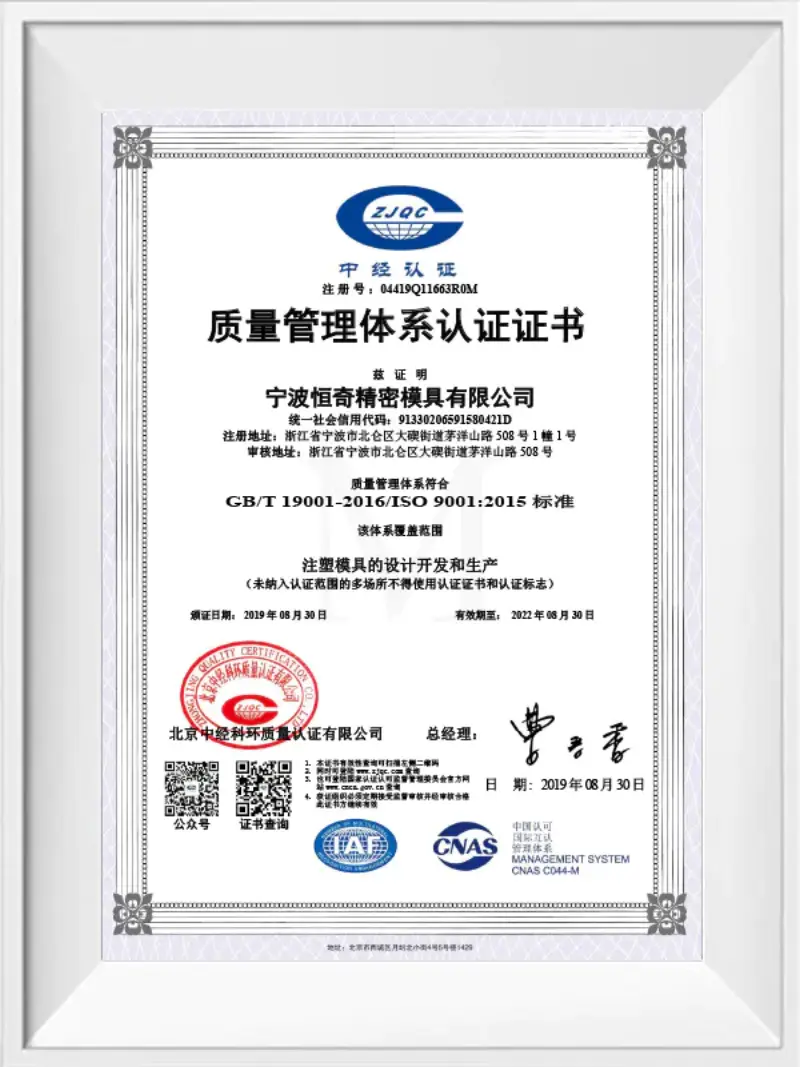
Ningbo Hengqi Precision Mould Co., Ltd. is professional China Plastic Injection Mould Manufacturers and custom Plastic Injection Mould factory, engaged in the development and manufacture of thin-wall packaging moulds. Our company has complete manufacturing equipment, scientific quality management system, rich practical experience in mould and hot runner production, combined with professional system design, using high-precision high-speed machining centers to achieve mold processing high standards. Hengqi Mould is in the leading position in the field of thin-wall injection molds in China. It produces thousands of sets of PP lunch boxes, cups and in-mold labeling system molds with a wall thickness of 0.35-0.45MM each year, which are supplied to the domestic market and exported to overseas. Hengqi Mould adheres to the spirit of continuous innovation and development of precision moulds.
In 2012, Hengqi Mould Factory was established.
In 2016, Hengqi Enterprise established Tianjin factory.
In 2017, Hengqi officially changed from individual to company.
In 2019, Hengqi established Chengdu branch and Betterfork cutlery department.
In 2024, Hengqi continues to expand international markets.