The packaging industry continues to witness significant evolution in plastic bucket mould design as manufacturers adapt to changing market demands and technological advancements. These specialized mould systems have transformed from basic production tools into sophisticated manufacturing solutions that incorporate multiple innovative features. The plastic bucket mould sector represents a vital segment within the packaging manufacturing industry, combining traditional mould manufacturing expertise with modern technological enhancements.
Manufacturers and packaging specialists are increasingly adopting advanced plastic bucket mould technologies to improve production efficiency, enhance product aesthetics, and address sustainability concerns in their packaging operations.
The movement toward thin-wall design represents a significant trend in modern plastic bucket mould development, driven by material reduction objectives and sustainability considerations. This approach to plastic bucket mould engineering enables manufacturers to produce containers with reduced material usage while maintaining structural integrity and performance characteristics. The implementation of thin-wall technology in plastic bucket mould systems requires precise engineering and advanced manufacturing techniques to ensure consistent material flow and proper filling of mould cavities.
Modern plastic bucket mould designs incorporate sophisticated flow simulation and analysis to optimize wall thickness distribution and prevent manufacturing defects. The adoption of thin-wall principles in plastic bucket mould production contributes to reduced material consumption and lower product weight, supporting environmental sustainability initiatives while maintaining container functionality.
This focus on material efficiency demonstrates how plastic bucket mould technology continues to evolve in response to both economic and environmental considerations within the packaging industry.
The incorporation of in-mold labeling technology has become increasingly prevalent in plastic bucket mould systems, enhancing both decorative capabilities and production efficiency. This innovative approach to plastic bucket mould design allows for the integration of decorative labels during the manufacturing process, eliminating separate labeling operations. The implementation of IML technology in plastic bucket mould configurations requires precise coordination between label placement systems and injection molding processes to ensure proper label positioning and adhesion.
Modern plastic bucket mould systems with IML capabilities enable high-quality graphics and branding elements to be permanently fused with container surfaces, providing durable decoration that withstands handling and environmental exposure. The advancement of IML technology in plastic bucket mould applications demonstrates the industry's focus on combining manufacturing efficiency with enhanced aesthetic outcomes.
This integration of decorative and manufacturing processes within plastic bucket mould systems represents an important development in packaging production technology, offering both functional and commercial benefits to manufacturers and brand owners.
The integration of automation systems represents another major trend in plastic bucket mould technology, enhancing production efficiency and consistency while reducing operational costs. Modern plastic bucket mould installations increasingly incorporate automated systems that handle various aspects of the manufacturing process from material handling to finished product removal. These automated plastic bucket mould systems typically include robotic components that manage part extraction, quality inspection, and packaging operations with small human intervention.
The implementation of automation technology in plastic bucket mould operations improves production consistency by reducing variability and enhancing process control throughout manufacturing cycles. Automated plastic bucket mould systems also contribute to improved workplace safety by small direct human interaction with manufacturing equipment and processes. The development of these automated solutions demonstrates how plastic bucket mould technology continues to evolve toward more efficient and reliable manufacturing methodologies that meet the demands of modern packaging production environments.
Recommend 8CAV small cup with screw mould from Ningbo Hengqi Precision Mould Co., Ltd.
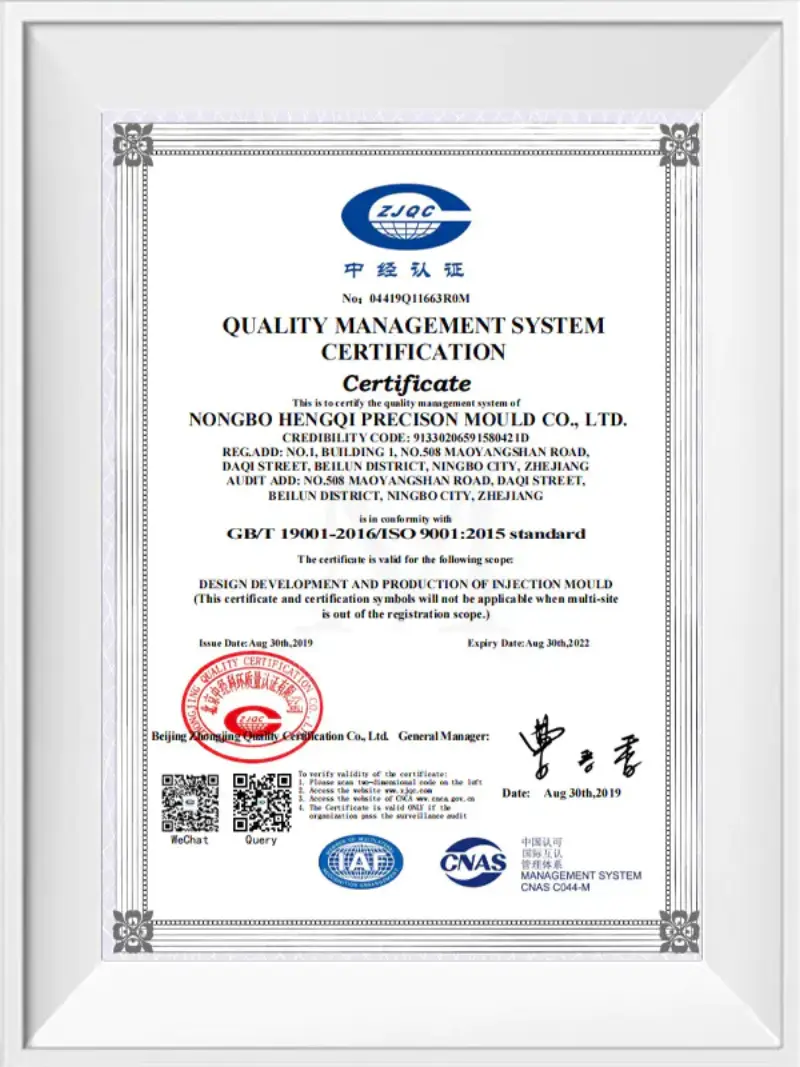
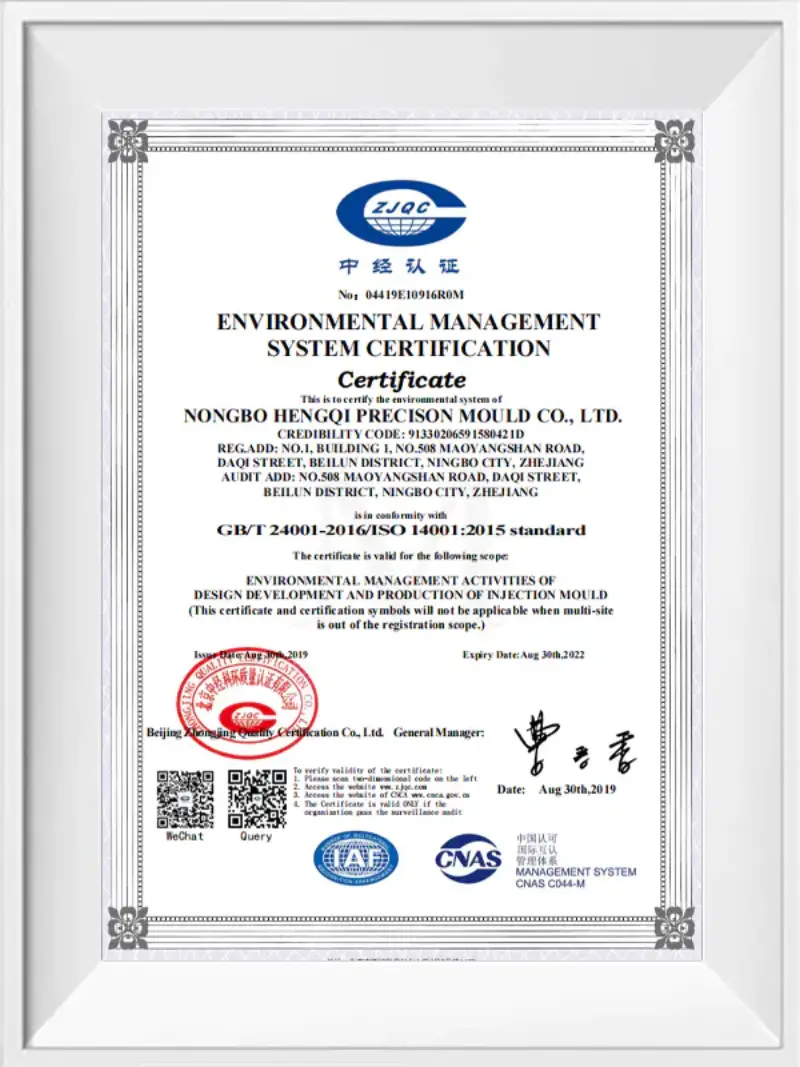
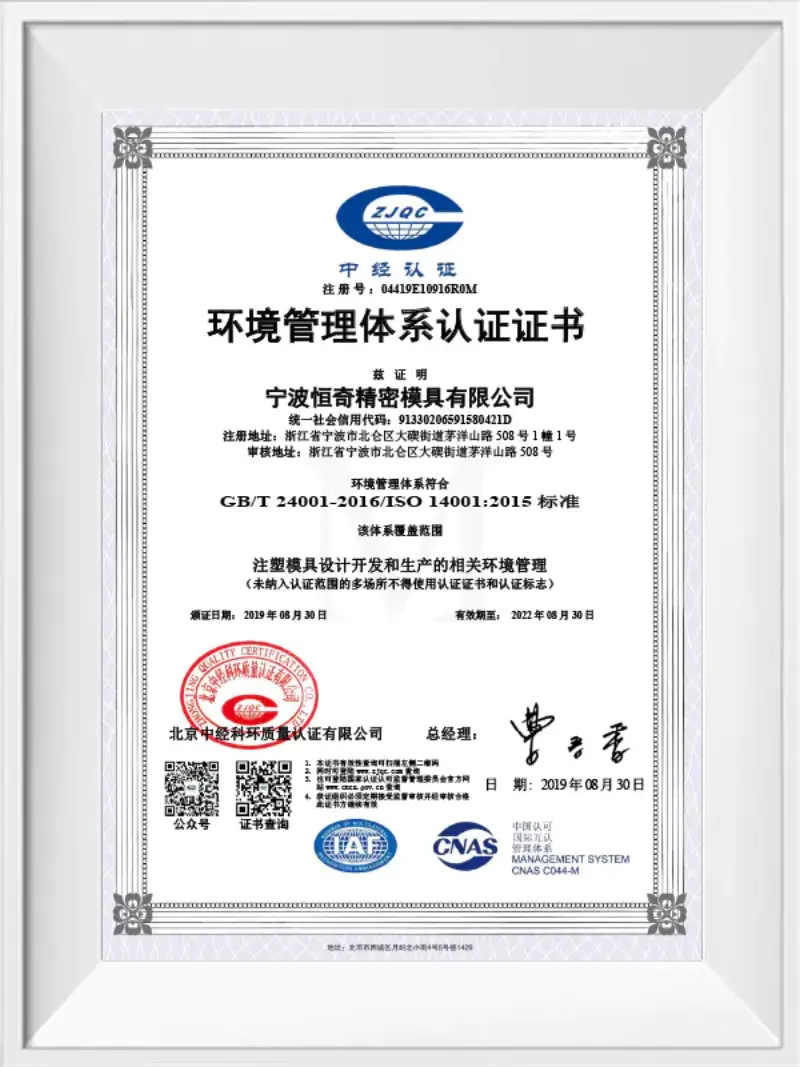
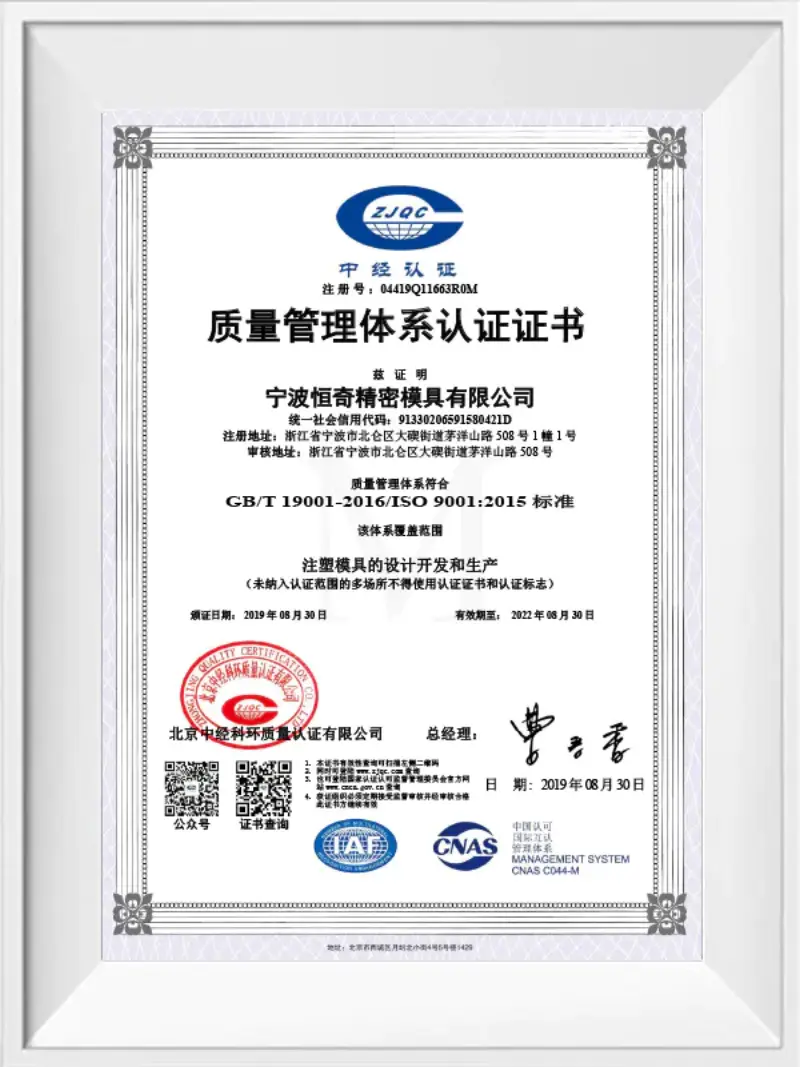
Ningbo Hengqi Precision Mould Co., Ltd. is professional China Plastic Injection Mould Manufacturers and custom Plastic Injection Mould factory, engaged in the development and manufacture of thin-wall packaging moulds. Our company has complete manufacturing equipment, scientific quality management system, rich practical experience in mould and hot runner production, combined with professional system design, using high-precision high-speed machining centers to achieve mold processing high standards. Hengqi Mould is in the leading position in the field of thin-wall injection molds in China. It produces thousands of sets of PP lunch boxes, cups and in-mold labeling system molds with a wall thickness of 0.35-0.45MM each year, which are supplied to the domestic market and exported to overseas. Hengqi Mould adheres to the spirit of continuous innovation and development of precision moulds.
In 2012, Hengqi Mould Factory was established.
In 2016, Hengqi Enterprise established Tianjin factory.
In 2017, Hengqi officially changed from individual to company.
In 2019, Hengqi established Chengdu branch and Betterfork cutlery department.
In 2024, Hengqi continues to expand international markets.