In the vast landscape of industrial packaging, from the food on our tables to the chemicals in factories, the humble plastic bucket is a ubiquitous workhorse, behind the scenes of its mass production lies a piece of high-precision engineering: the plastic bucket mould. This critical tool is far more than a simple cavity; it is a sophisticated system that dictates product quality, manufacturing efficiency, and ultimately, the economic viability of producing billions of containers annually.
The core of its development revolves around three interconnected pillars: versatile application design, advanced engineering, and pragmatic cost management.
The design of a plastic bucket mould is intrinsically linked to the final product's purpose. Moulds are classified and engineered based on the bucket's end use, which dictates material selection, structural integrity, and compliance standards. Food-grade buckets, such as those for ice cream or bulk ingredients, require moulds that produce smooth, easy-to-clean surfaces and use plastics meeting specific safety regulations.
For industrial chemicals or paints, moulds are designed to create robust containers with enhanced chemical resistance and secure sealing features. The capacity spectrum is broad, with common moulds producing buckets ranging from small 1-liter containers to large 20 or 25-liter pails. Furthermore, a complete production setup includes not just the bucket mould but also dedicated moulds for lids and handles, each requiring precise design to ensure a superb fit and reliable function.
At the heart of a high-performance plastic bucket mould is its engineering for durability and efficiency. The mould's internal cooling system is paramount; optimized channels ensure uniform heat extraction, which directly reduces cycle time—a critical factor in high-volume production—and lesss part warpage. The ejection system must be meticulously designed to release the often deep-drawn bucket without causing marks or deformation.
Material choice for the mould itself is crucial, with premium-grade steels like P20 or H13 being standard for their ability to withstand high injection pressures and abrasive plastics over a lifespan that can extend to 1 million cycles or more. The integration of hot runner systems is a key technological advancement, eliminating the plastic waste associated with traditional cold runners and further shortening cycle times by maintaining material in a molten state ready for injection.
The manufacturing of a plastic bucket mould is a capital-intensive process involving CNC machining, EDM (Electrical Discharge Machining), and meticulous assembly. This upfront investment is significant, with costs varying widely based on size, complexity, and steel quality. However, manufacturers and buyers increasingly evaluate cost through the lens of Total Cost of Ownership (TCO). A well-built plastic bucket mould with a longer operational life, stable performance requiring less downtime, and efficient energy use provides greater long-term value than a lower-priced, less robust alternative.
The trend towards smarter manufacturing also sees sensors being embedded in plastic bucket moulds to monitor temperature and pressure in real-time, enabling predictive maintenance that prevents costly unplanned stoppages and extends the tool's productive life.
The plastic bucket mould industry is adapting to global sustainability drivers. This includes designing moulds that can efficiently process higher percentages of post-consumer recycled (PCR) content, which often has variable flow properties, and exploring materials for more easily recyclable mono-material buckets. The enduring goal remains unchanged: to create a plastic bucket mould that is not just a tool for shaping plastic, but a reliable, efficient, and adaptable engine for global container supply chains, balancing innovative design with the practical realities of high-volume manufacturing economics.
For high-volume production of precision small containers, the 8-Cavity Small Cup with Screw Mould from Ningbo Hengqi Precision Mould Co., Ltd. offers an efficient solution. This mould is designed to produce eight identical, small plastic cups with integrated screw threads in each injection cycle, significantly increasing output for items like sample jars, ointment containers, or cosmetic cases. It ensures consistent product dimensions and reliable thread quality for secure sealing.
Built with durable materials for longevity, this mould is ideal for manufacturers seeking to optimize production efficiency and unit cost for threaded small cups.
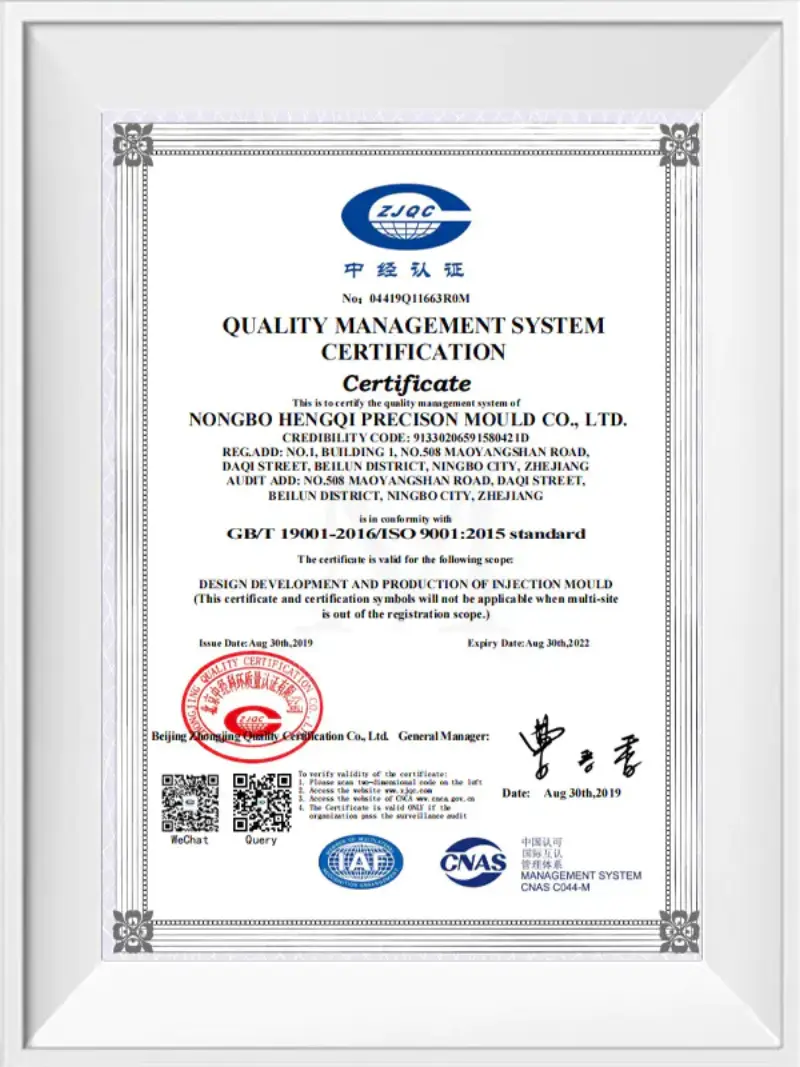
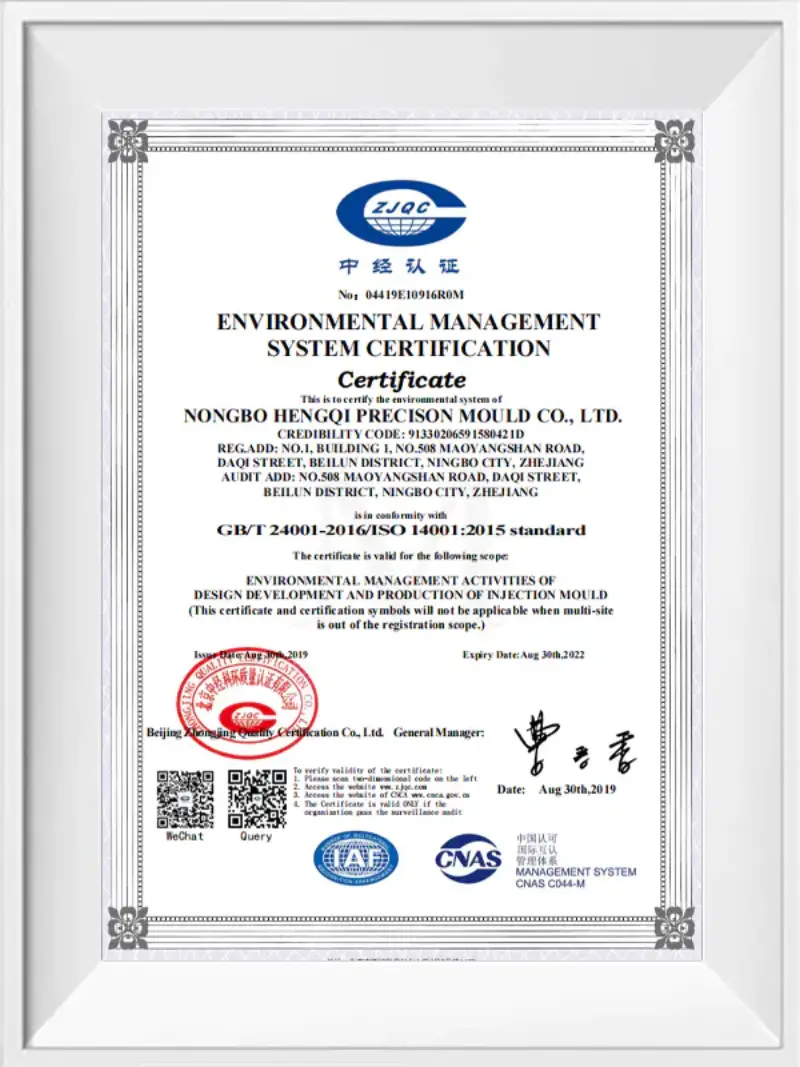
Ningbo Hengqi Precision Mould Co., Ltd. is professional China Plastic Injection Mould Manufacturers and custom Plastic Injection Mould factory, engaged in the development and manufacture of thin-wall packaging moulds. Our company has complete manufacturing equipment, scientific quality management system, rich practical experience in mould and hot runner production, combined with professional system design, using high-precision high-speed machining centers to achieve mold processing high standards. Hengqi Mould is in the leading position in the field of thin-wall injection molds in China. It produces thousands of sets of PP lunch boxes, cups and in-mold labeling system molds with a wall thickness of 0.35-0.45MM each year, which are supplied to the domestic market and exported to overseas. Hengqi Mould adheres to the spirit of continuous innovation and development of precision moulds.
In 2012, Hengqi Mould Factory was established.
In 2016, Hengqi Enterprise established Tianjin factory.
In 2017, Hengqi officially changed from individual to company.
In 2019, Hengqi established Chengdu branch and Betterfork cutlery department.
In 2024, Hengqi continues to expand international markets.