The ubiquitous plastic cup, a staple of global food service and packaging, owes its existence and evolution to the sophisticated engineering of the plastic cup mould. This critical manufacturing tool has undergone significant transformation, driven by relentless demand for higher output, cost efficiency, and alignment with environmental goals. The development of the plastic cup mould is a story of material science advancement, precision engineering, and intelligent design converging to meet the needs of a dynamic market.
The dominant process for mass-producing cups remains injection molding, where molten polymer is forced into a high-precision steel plastic cup mould under significant pressure, often exceeding 500 bar. This method excels at creating cups with consistent wall thickness and intricate features like threaded lids or handles. The choice of material is fundamental. Polypropylene (PP) remains a workhorse for its outstanding balance of heat resistance and cost, while PET is preferred for its crystal clarity in beverage applications.
A notable shift is the growing adaptation of plastic cup moulds for bio-based and biodegradable resins like PLA (Polylactic Acid), which requires specific thermal and flow characteristics during processing, pushing mould designers to innovate in cooling channel geometry and venting.
The trajectory of plastic cup mould development is firmly aimed at big efficiency and integration. A key trend is the proliferation of high-cavitation moulds; where a single mould with 32, 64, or even 128 cavities can produce multiple cups per cycle, dramatically increasing output. This is coupled with the widespread adoption of hot runner systems, which maintain plastic in a molten state within the mould, eliminating waste and reducing cycle times—some high-speed systems now achieve cycles under 6 seconds.
Furthermore, the integration of In-Mould Labelling (IML) technology directly into the plastic cup mould allows for durable, high-quality decoration within the molding cycle, adding value and streamlining production. The rise of ""smart moulds"" equipped with sensors to monitor temperature, pressure, and wear in real-time represents the next frontier, enabling predictive maintenance and unparalleled process control.
Modern plastic cup mould design is a meticulous exercise in balancing performance with economics. Utilizing advanced simulation software, engineers optimize every aspect for manufacturability (DFM), focusing on uniform cooling to prevent warpage and superbing ejection systems to handle delicate, thin-walled designs—some cup walls are now as thin as 0.35 millimeters to reduce material use. Customization is highly achievable, with plastic cup moulds being engineered for specific cup capacities, unique shapes for brand differentiation, and textured finishes.
However, this capability comes with a cost structure where the initial investment in a high-cavity, hot-runner plastic cup mould can be substantial, often representing the many significant capital outlay. This cost is justified over production runs numbering in the millions, where the per-unit cost becomes small. The drive for lightweighting not only saves raw material, directly impacting the cost of goods sold, but also reduces energy consumption during molding, aligning economic and environmental incentives.
The development of the plastic cup mould will continue to be shaped by the circular economy. Designing moulds that can efficiently process higher percentages of post-consumer recycled (PCR) content without compromising quality or cycle time is a pressing technical challenge. As regulations and consumer preferences increasingly favor sustainable packaging, the plastic cup mould—once a simple tool for forming—has become a sophisticated and pivotal technology in the quest for a more efficient and responsible manufacturing future.
For efficient, high-volume production of small threaded containers, we recommend the 8CAV small cup with screw mould from Ningbo Hengqi Precision Mould Co., Ltd. This precision mold is engineered to produce eight identical plastic cups with integrated screw threads in a single injection molding cycle, significantly boosting output and optimizing per-unit cost. Ideal for manufacturers of items like sample jars, cosmetic cases, or pharmaceutical containers, it ensures consistent dimensional accuracy and thread quality for reliable sealing.
Built with durable mold steel, it is designed for longevity and stable performance in continuous production runs, making it a smart investment for scaling up production.
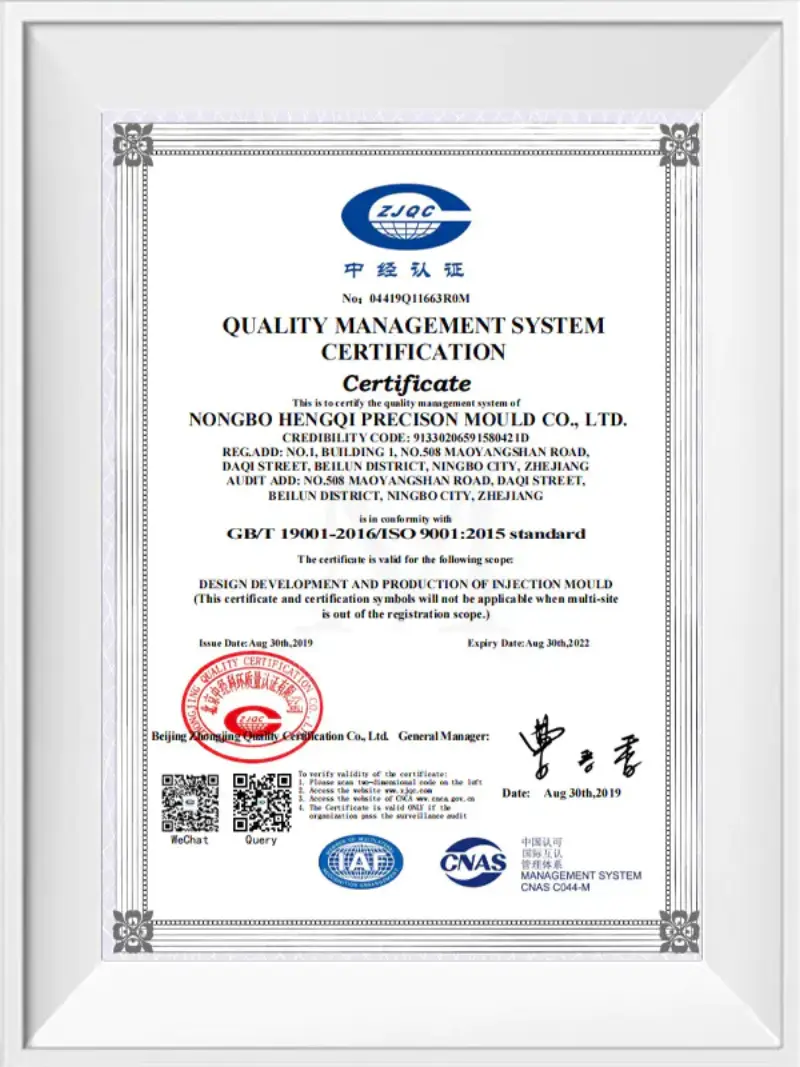
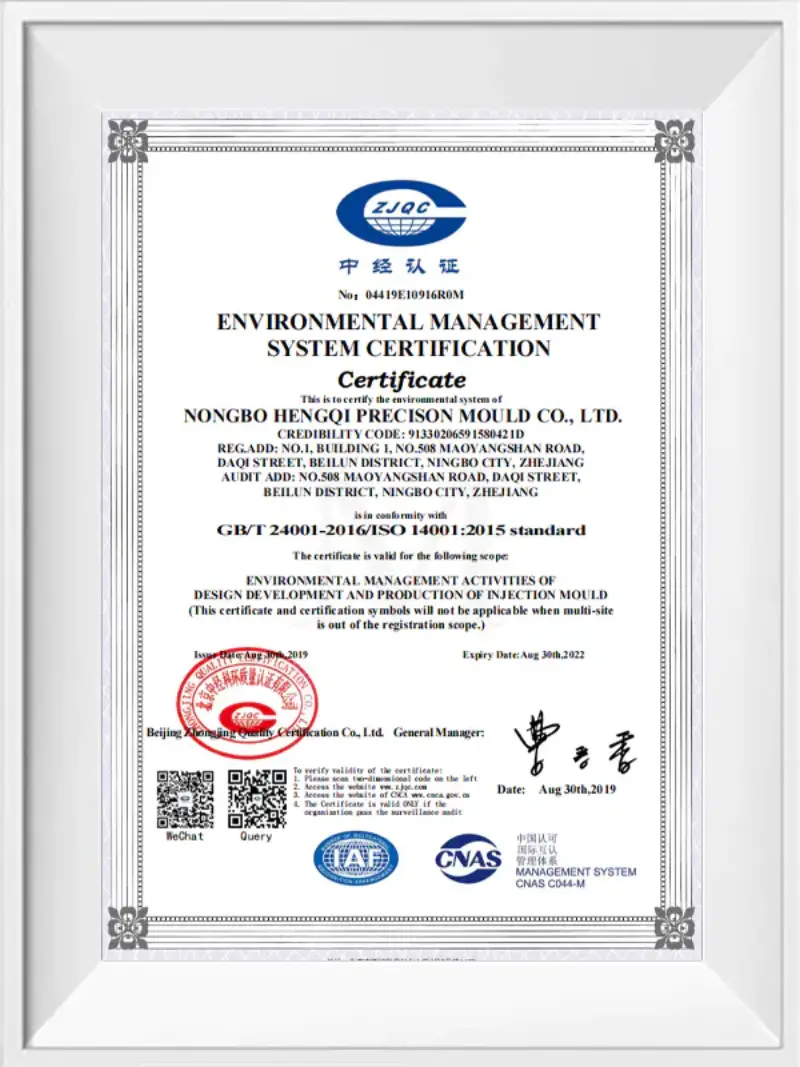
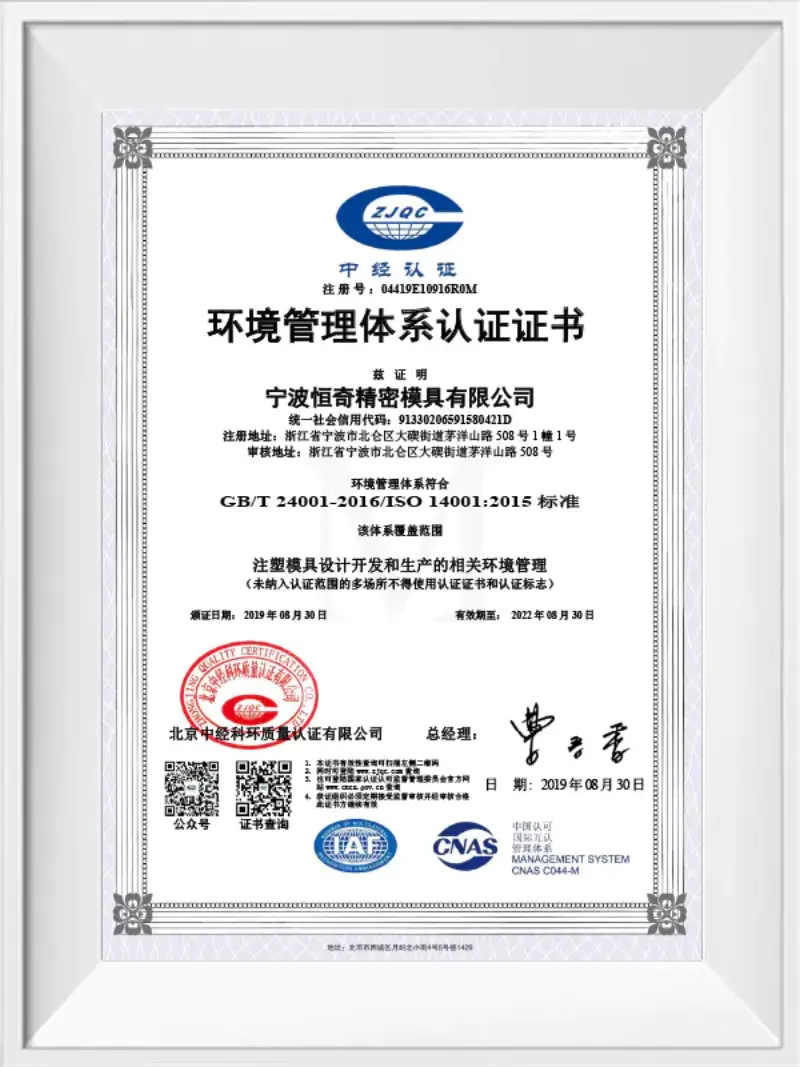
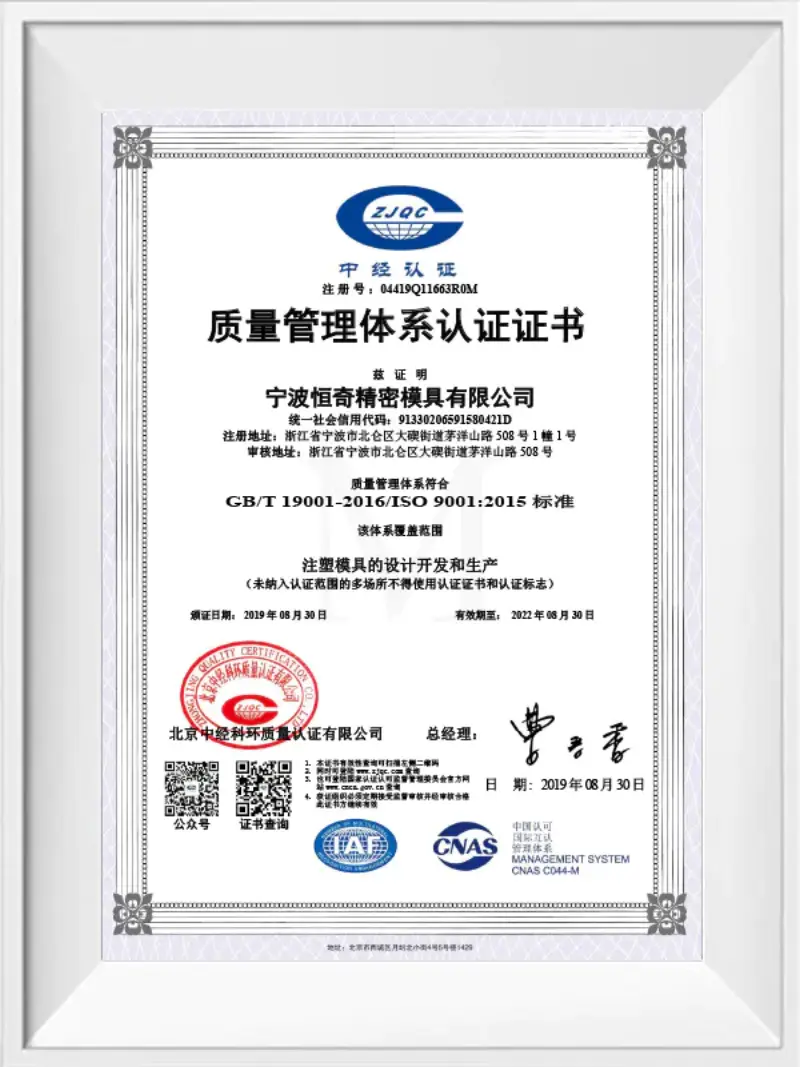
Ningbo Hengqi Precision Mould Co., Ltd. is professional China Plastic Injection Mould Manufacturers and custom Plastic Injection Mould factory, engaged in the development and manufacture of thin-wall packaging moulds. Our company has complete manufacturing equipment, scientific quality management system, rich practical experience in mould and hot runner production, combined with professional system design, using high-precision high-speed machining centers to achieve mold processing high standards. Hengqi Mould is in the leading position in the field of thin-wall injection molds in China. It produces thousands of sets of PP lunch boxes, cups and in-mold labeling system molds with a wall thickness of 0.35-0.45MM each year, which are supplied to the domestic market and exported to overseas. Hengqi Mould adheres to the spirit of continuous innovation and development of precision moulds.
In 2012, Hengqi Mould Factory was established.
In 2016, Hengqi Enterprise established Tianjin factory.
In 2017, Hengqi officially changed from individual to company.
In 2019, Hengqi established Chengdu branch and Betterfork cutlery department.
In 2024, Hengqi continues to expand international markets.