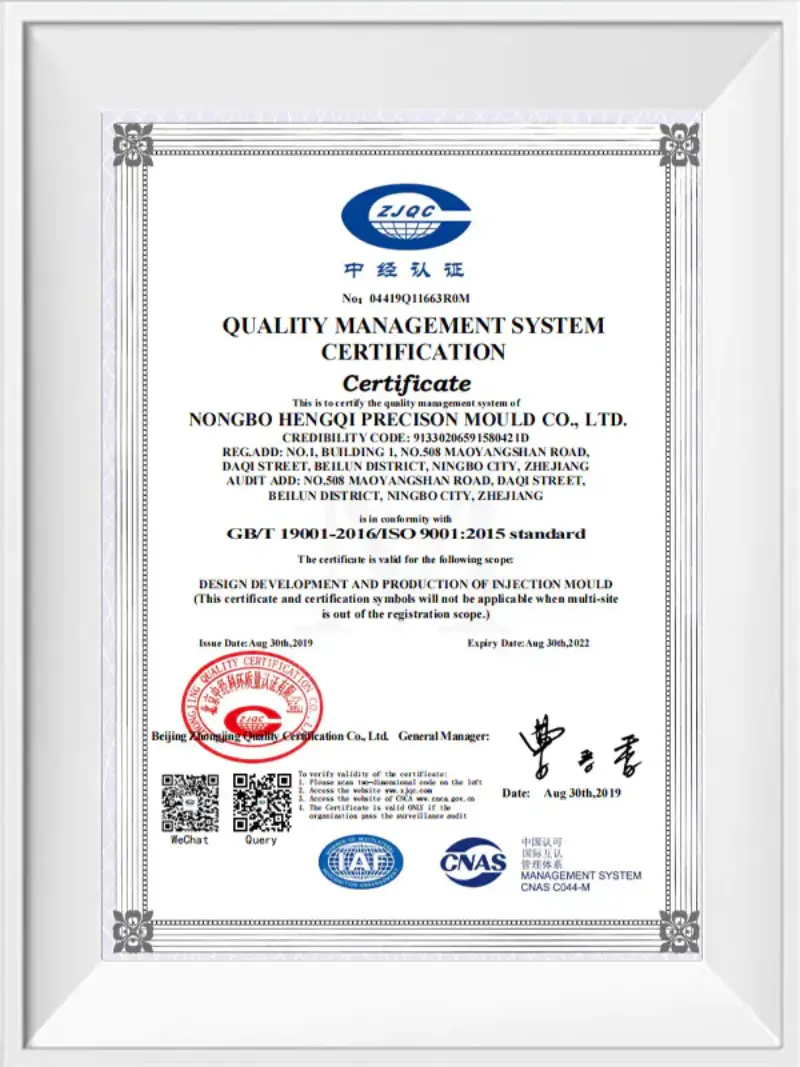
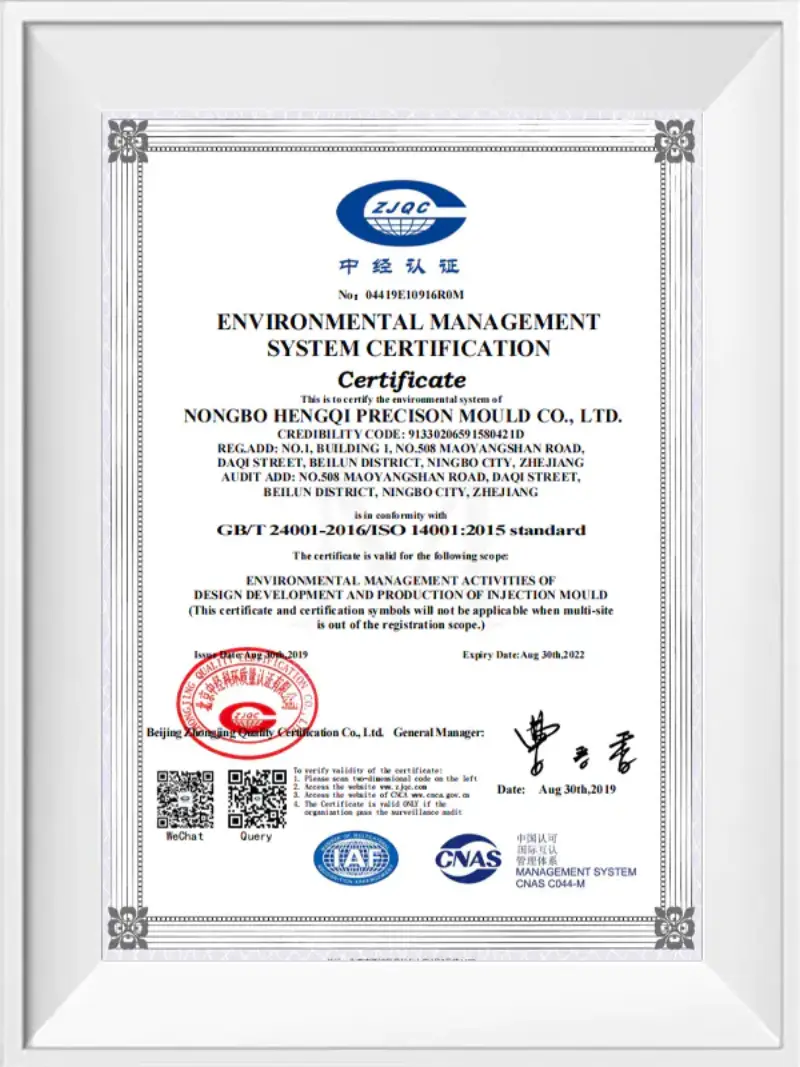
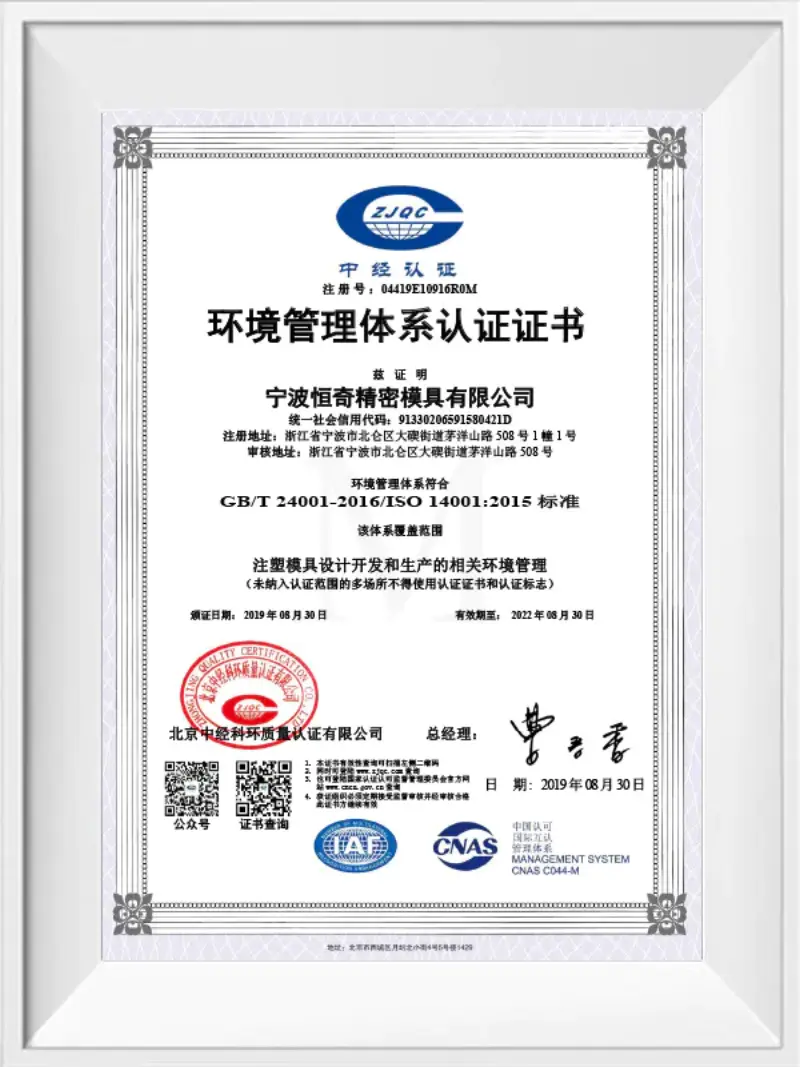
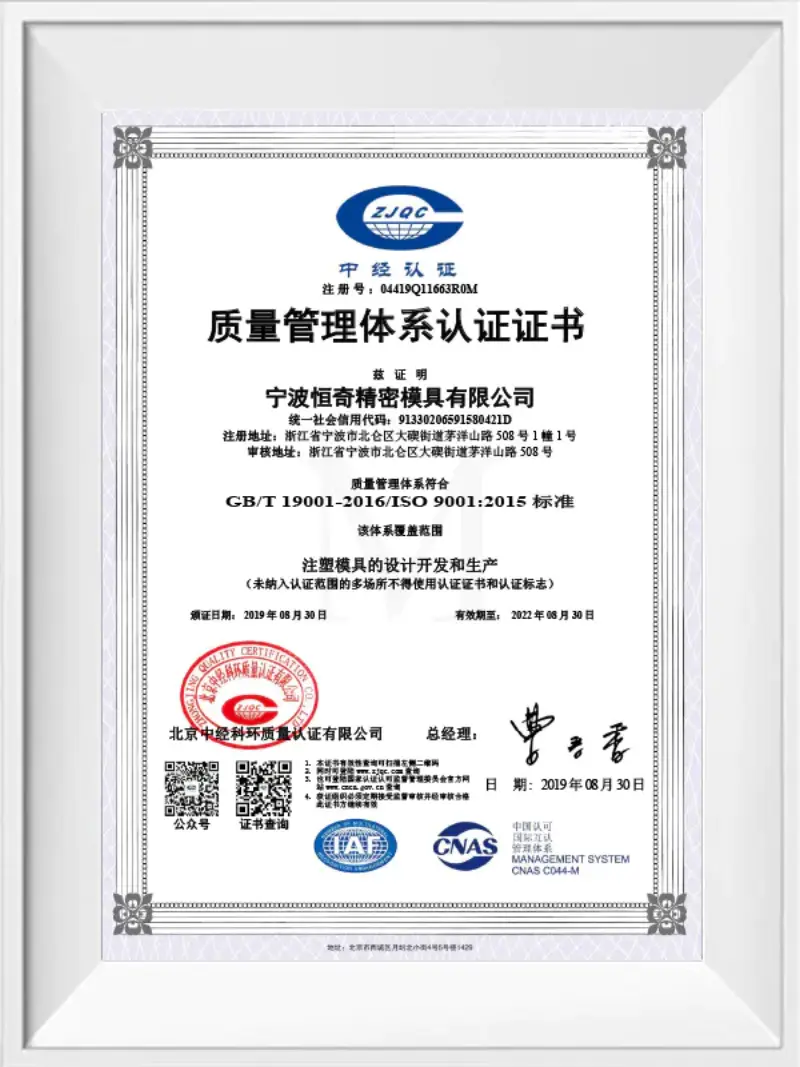
A plastic injection mould factory should be evaluated by how well it turns a packaging idea into stable production tooling. For food container, cup, lid, and cutlery projects, the buyer needs more than general machining capacity. The factory must understand thin-wall filling, hot runner balance, cooling, ejection, lid fit, IML clearance, and mold maintenance.
Market expansion creates more supplier choices, but it also makes screening harder. Buyers can reduce risk by asking concrete questions about design workflow, equipment, trial standards, documentation, and support instead of relying on broad claims about precision.
Design and Engineering Capability
A qualified factory should review the product drawing or sample before quoting final structure. The review should cover resin, wall thickness, part weight, cavity number, machine tonnage, runner choice, cooling concept, ejection, tolerance, and expected cycle time.
For packaging moulds, application knowledge matters. Round food containers need stable rims and stack height. Coffee cup lids need sealing fit. IML cups need accurate label positioning and robot clearance. Spoon moulds need clean ejection and edge quality. The factory should discuss these details early.
Machining, Assembly, and Quality Control
Equipment such as CNC machining centers, EDM, grinding, polishing, and measurement tools is important, but process control is just as important. Buyers should ask how the factory tracks steel, electrodes, water circuits, insert dimensions, assembly checks, and cavity matching.
Quality control should not wait until final shipment. Dimensional checks, surface inspection, fitting tests, and mold trial data help identify issues before the mould leaves the factory. For multi-cavity tools, samples from every cavity should be inspected and compared.
Mold Trial and Acceptance Standards
A serious plastic injection mould factory should provide trial samples, machine settings, cycle-time data, sample weight, material information, and notes about tuning. Buyers should test real use conditions such as lid fit, stacking, leakage, hot-fill behavior, or automation handling when relevant.
Acceptance standards should be agreed before tooling starts. Otherwise the buyer and factory may judge the same samples differently. Define which dimensions matter, what cycle target is realistic, how many cavities must be sampled, and which product tests must pass.
Delivery and After-Sales Support
A mould factory's responsibility continues through packing, shipping, installation guidance, spare parts, and production troubleshooting. Useful documents include mould drawings, hot runner information, cooling diagrams, spare-part list, and maintenance suggestions.
The right factory is the one that can connect engineering, machining, trial, and production support into one controlled process. For packaging buyers, that reduces the chance of delays, rework, and unstable output after the mould arrives.