Yogurt cup injection mould technology sits deep inside the packaging lines that turn out containers day after day for dairy shelves. The cups need to feel solid enough to hold without cracking yet light enough that stacks move easy through cold storage and transport. Innovation here comes from small tweaks that add up across the whole forming process so the final piece lands in hands with the right balance of grip and give.
The work starts long before any plastic flows. Rough sketches capture basic shapes that might stack tight or open wide for easy scooping. Teams test different rim curves and base profiles to see how they sit together in crates or on display hooks. Every line drawn aims at cups that resist dents from casual handling while still peeling back cleanly when opened.
Digital models take those early drawings and turn them into full views that rotate on screen. Simulations push virtual material through the planned paths to spot spots where flow might slow or air might trap. Adjustments happen fast because changing a curve or thickness on the model costs little compared to cutting metal.
The process lets teams check how cups might warp if one side cools faster than another. Small shifts in gate placement or wall angles get tried until the flow looks steady from bottom to top. By the time the plan moves forward the digital cup already behaves close to how the real one will once it hardens on the line.
Metal gets cut and shaped into the tool that will shape thousands of cups before any major service. Surfaces inside the cavity sit polished so plastic releases smooth without dragging or leaving marks that show on the outside. The entry points where material rushes in get placed to spread the melt evenly and avoid thin weak lines that crack later.
The mould body holds up to repeated heat and pressure cycles without losing its tight dimensions. Wear shows slowest when high stress areas get extra hardening during build. Once installed the tool drops into the press and starts turning out cups that match the digital plan in weight and form run after run.
Modular Inserts Allows quick swaps for size or shape changes Alignment drift after repeated swaps Precision guides and locking mechanisms
Wall Thickness Optimization Reduces overall material while keeping strength Weak spots in thin areas Adjusted flow channels and cooling
In-Mold Labeling Setup Creates smooth permanent graphics without glue Label shift during injection Vacuum hold and timing synchronization
Cooling Channel Layout Speeds up cycle by even heat removal Warping from uneven cooling Conformal paths following cup contours
Sensor Integration Tracks conditions live for consistent output Data overload or false readings Calibrated probes linked to controls
Moulds built with swap sections mean one main body handles different cup heights or diameters by changing only the insert. Lines switch between standard sizes and special short runs without tearing down the whole setup. Downtime drops because the base stays bolted in place while the new piece slides in and locks.
The same tool works with various plastic blends including mixes that break down easier at end of life. Settings get dialed slightly so the flow stays smooth even when the resin shifts in how it melts or shrinks. This keeps production from stopping cold when material supplies or targets change mid season.
Thinner walls shaped evenly cut down on total plastic per cup while the mould makes sure strength holds through stacking and chilling. Material spreads without pooling so no soft zones form that dent under light pressure in the case. Less scrap collects at the trim stage because the flow fills clean every shot.
Labels pressed into the surface during the shot skip separate decoration steps and glues that complicate later sorting. The cup comes off the line sealed and marked in one go so filling stations see finished pieces ready to accept product without extra handling. The whole chain trims excess at the forming step rather than adding layers later.
Channels snake through the mould following the cup shape so heat pulls away at even rates from rim to base. Areas with thicker sections lose warmth at speeds close to thinner walls which stops twisting as the piece hardens. Shorter even cooling lets the press cycle faster without risking bent sides or uneven bottoms.
Sensors sit at entry points and cavity walls feeding back pressure and temperature readings as each shot happens. The data flags small drifts before whole trays go off spec. Adjustments happen on the fly or the line pauses early if something starts to wander keeping output steady across long shifts.
The mould forms not only the look but the way the cup sits in the hand or stacks in the fridge door. Textures pressed into the side give fingers something to hold without making the surface hard to rinse after eating. Rims come shaped to accept lids that click shut yet lift without tearing the seal.
Every cup carries the same feel and fit because the cavity stays consistent shot after shot. Shoppers reach for the same style week after week and find the grip and opening action match what they expect. The quiet consistency built into the tool turns into trust on the shelf without anyone noticing the engineering underneath.
Yogurt cup injection mould technology works in the background turning plans into containers that move smoothly from plant to cooler to table. Each refinement in flow or swap ability adds flexibility without slowing the steady beat of the line. The mould blends tight control with practical handling so the cups do their job without drawing eyes to how they were formed.
As demands shift toward lighter pieces or simpler end handling the tool keeps pace through small steady gains in cooling and sensing. The cups stay simple on the surface while the mould carries layers of thought aimed at trimming waste and keeping output reliable. Over time the technology supports packaging that fits daily routines and broader pushes to ease resource pull from start to finish.
The ongoing refinements around these moulds show how attention to details inside the tool shows up as containers that quietly meet expectations in real world use. Each cycle adds another set of cups shaped for stacking sealing and scooping without extra steps or excess material along the way.
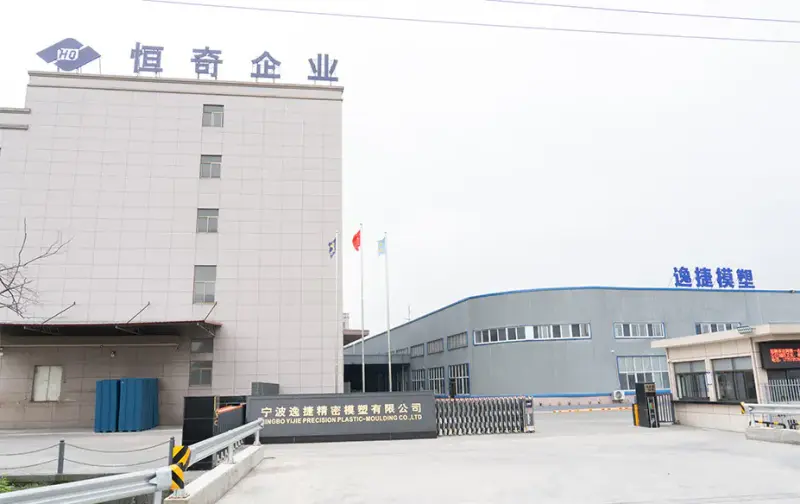
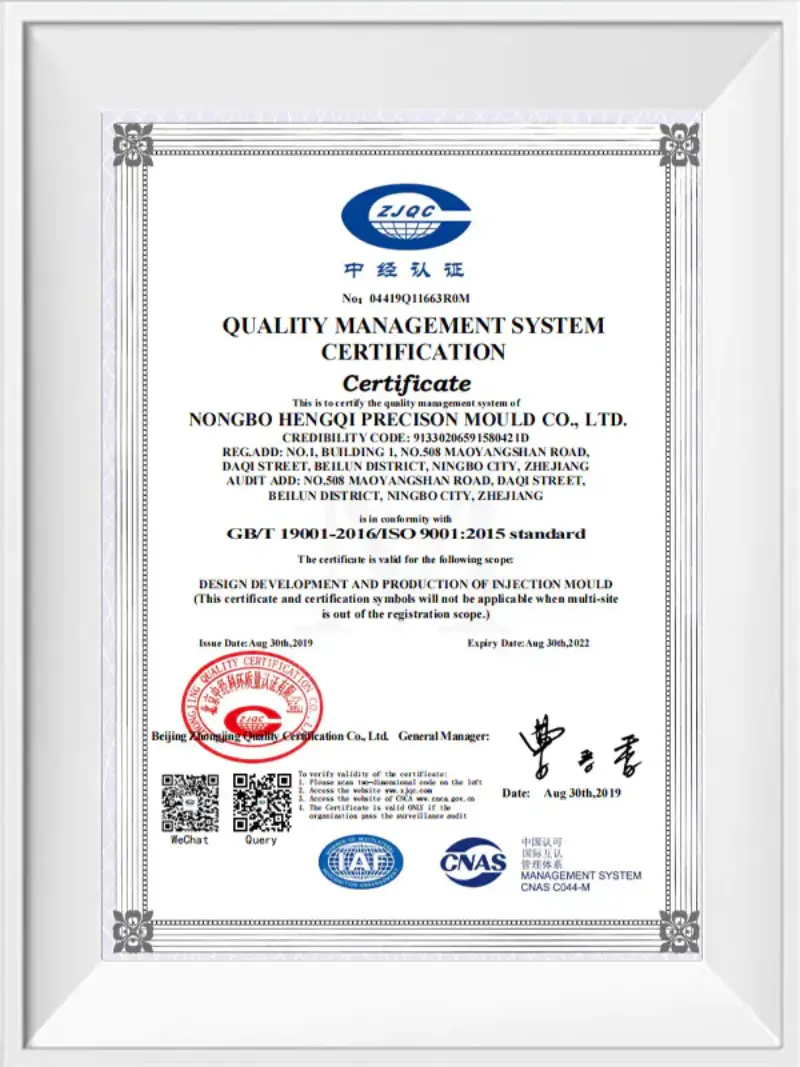
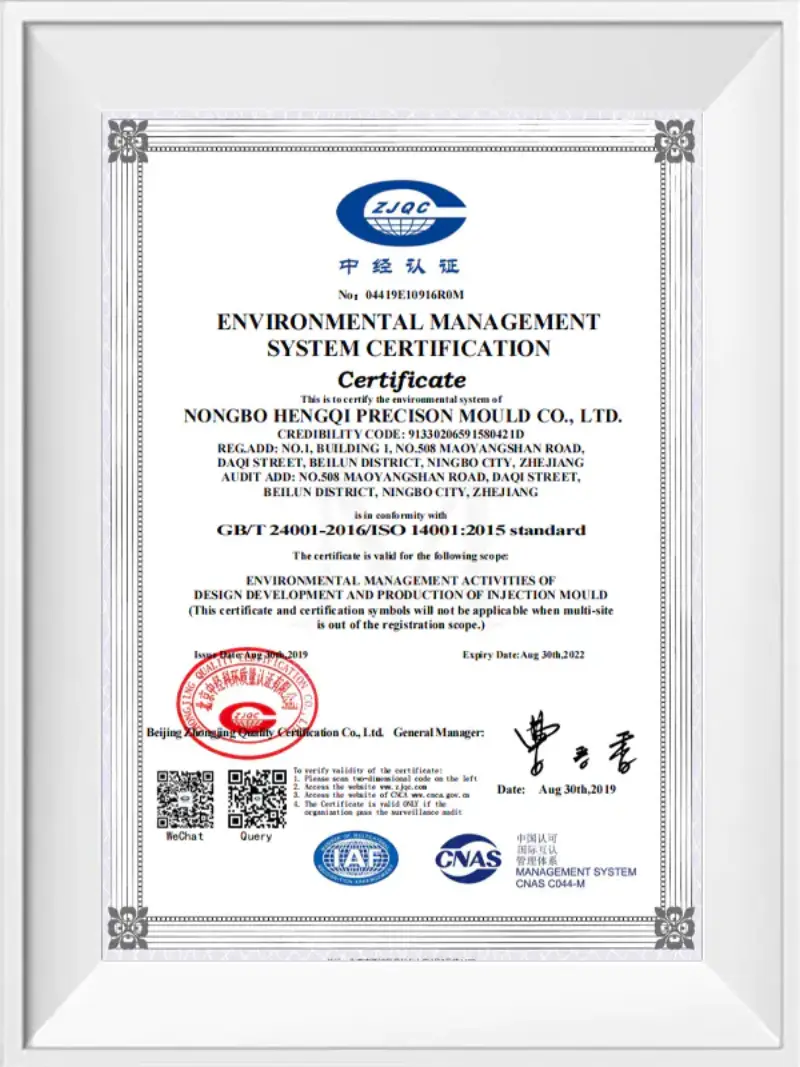
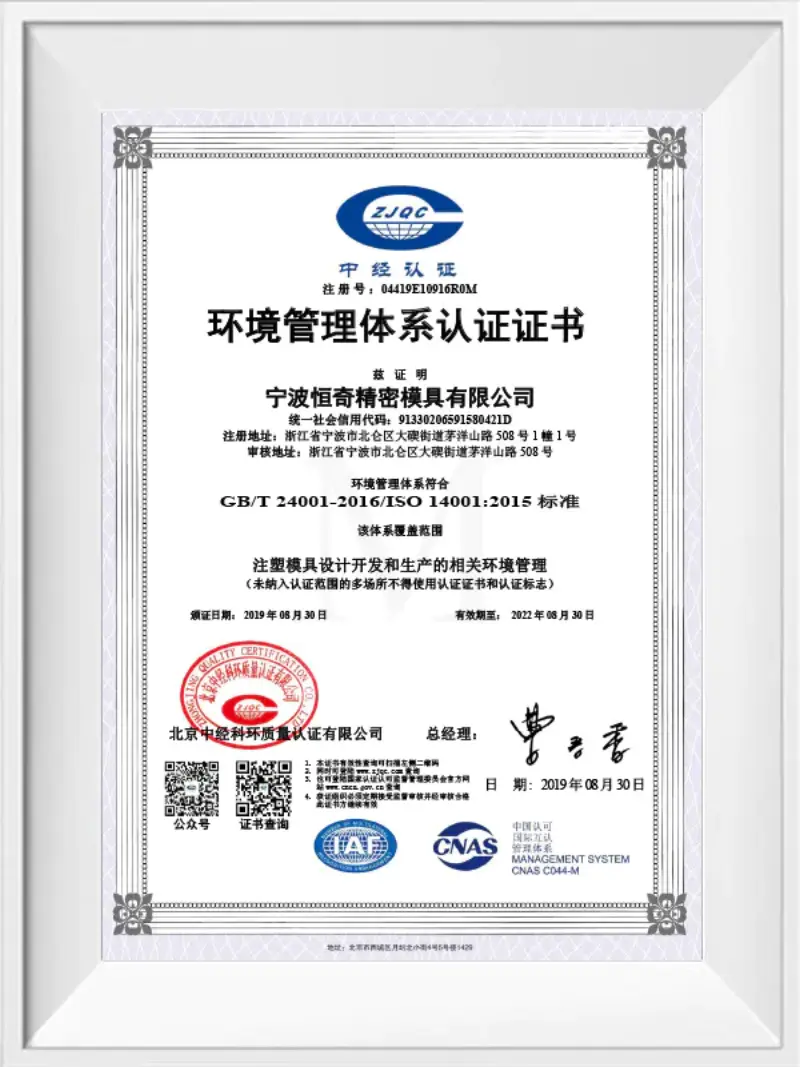
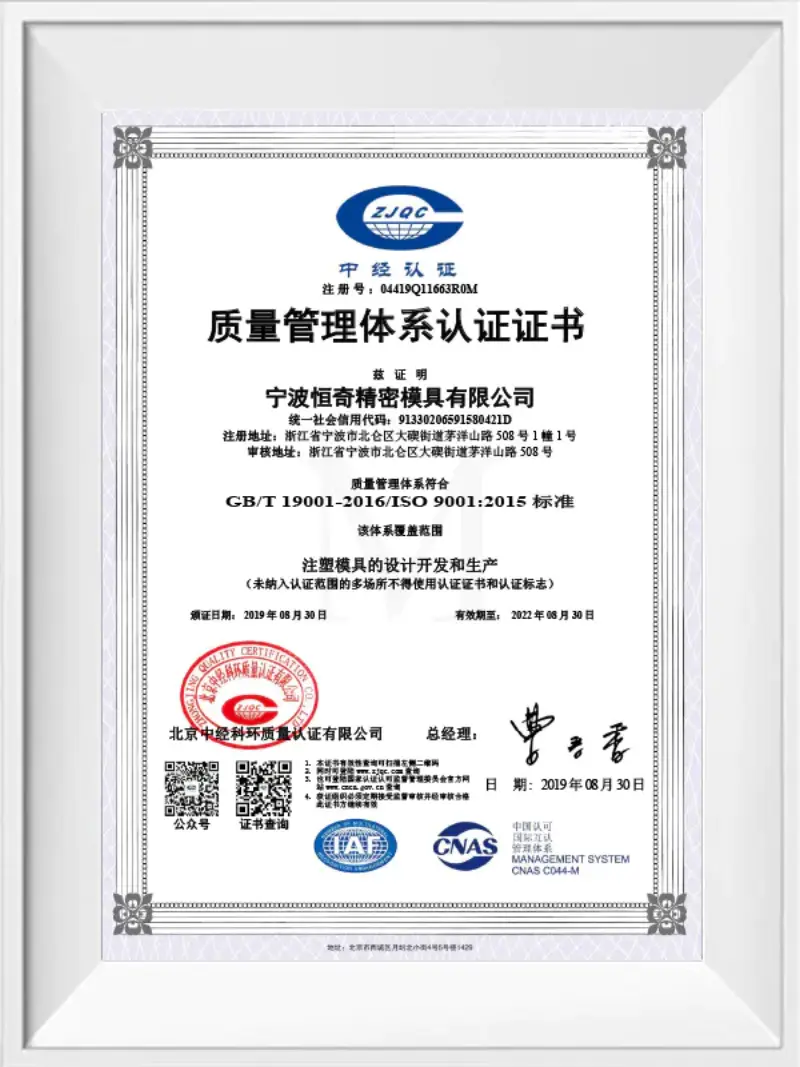
Ningbo Hengqi Precision Mould Co., Ltd. is professional China Plastic Injection Mould Manufacturers and custom Plastic Injection Mould factory, engaged in the development and manufacture of thin-wall packaging moulds. Our company has complete manufacturing equipment, scientific quality management system, rich practical experience in mould and hot runner production, combined with professional system design, using high-precision high-speed machining centers to achieve mold processing high standards. Hengqi Mould is in the leading position in the field of thin-wall injection molds in China. It produces thousands of sets of PP lunch boxes, cups and in-mold labeling system molds with a wall thickness of 0.35-0.45MM each year, which are supplied to the domestic market and exported to overseas. Hengqi Mould adheres to the spirit of continuous innovation and development of precision moulds.
In 2012, Hengqi Mould Factory was established.
In 2016, Hengqi Enterprise established Tianjin factory.
In 2017, Hengqi officially changed from individual to company.
In 2019, Hengqi established Chengdu branch and Betterfork cutlery department.
In 2024, Hengqi continues to expand international markets.