The evolution of metal mould technology has significantly shaped the manufacturing landscape, tracing its roots back to ancient civilizations that utilized copper and aluminum. These early materials were favored for their malleability, allowing artisans to create intricate designs and functional tools. As societies advanced, the demand for more durable and versatile materials led to the adoption of bronze and iron, which provided enhanced strength and resilience.
This transition marked a pivotal moment in the history of metal mould production, as it enabled the creation of more complex shapes and larger components.
In the modern era, the manufacturing process of metal moulds has become increasingly sophisticated, incorporating advanced techniques that enhance precision and efficiency. The traditional methods of casting, cutting, and forming have evolved, integrating new technologies that streamline production. For instance, the introduction of computer-aided design (CAD) has revolutionized the way metal moulds are designed, allowing for intricate details to be captured with unparalleled accuracy.
This technological advancement not only improves the quality of the final product but also reduces the time required for design and prototyping.
The casting process itself has seen significant improvements. Today, various casting methods are employed, including sand casting, die casting, and investment casting. Each method has its unique advantages, but they all share the common goal of producing high-quality metal moulds. Sand casting, for example, remains one of the popular techniques due to its cost-effectiveness and versatility. It involves creating a mold from sand, which can withstand the high temperatures of molten metal.
This method is particularly useful for producing large and complex shapes that would be challenging to achieve with other techniques.
Die casting, on the other hand, utilizes high pressure to inject molten metal into a reusable mold, resulting in precise and consistent metal moulds. This method is especially beneficial for mass production, as it allows for rapid manufacturing of components with tight tolerances. The ability to produce large quantities of identical parts quickly has made die casting a preferred choice in industries such as automotive and aerospace.
Investment casting, also known as lost-wax casting, is another advanced technique that has gained popularity in recent years. This method involves creating a wax pattern that is coated with a ceramic shell. Once the shell is hardened, the wax is melted away, leaving a cavity into which molten metal is poured. This process is ideal for producing intricate metal moulds with fine details, making it a favored choice for high-end applications such as jewelry and precision engineering.
The cutting and forming processes associated with metal moulds have also benefited from technological advancements. CNC (computer numerical control) machining has become a standard practice in the industry, allowing for precise cutting and shaping of materials. This technology enables manufacturers to create complex geometries and achieve high levels of accuracy, which are essential for the performance of the final product.
Moreover, the materials used in the production of metal moulds have diversified. While traditional metals like aluminum and copper are still widely used, modern manufacturing often incorporates advanced alloys and composites that offer improved performance characteristics. These materials can withstand higher temperatures and provide better resistance to wear and corrosion, extending the lifespan of these molds and reducing maintenance costs.
The evolution of metal mould technology reflects the broader advancements in manufacturing processes and materials. From the early use of copper and aluminum to the sophisticated techniques employed today, the journey of metal moulds is a testament to human ingenuity and the relentless pursuit of improvement. As industries continue to evolve, the role of these molds will remain crucial, driving innovation and efficiency across various sectors.
The future of metal mould production promises even greater advancements, as new technologies and materials emerge to meet the ever-growing demands of modern manufacturing.
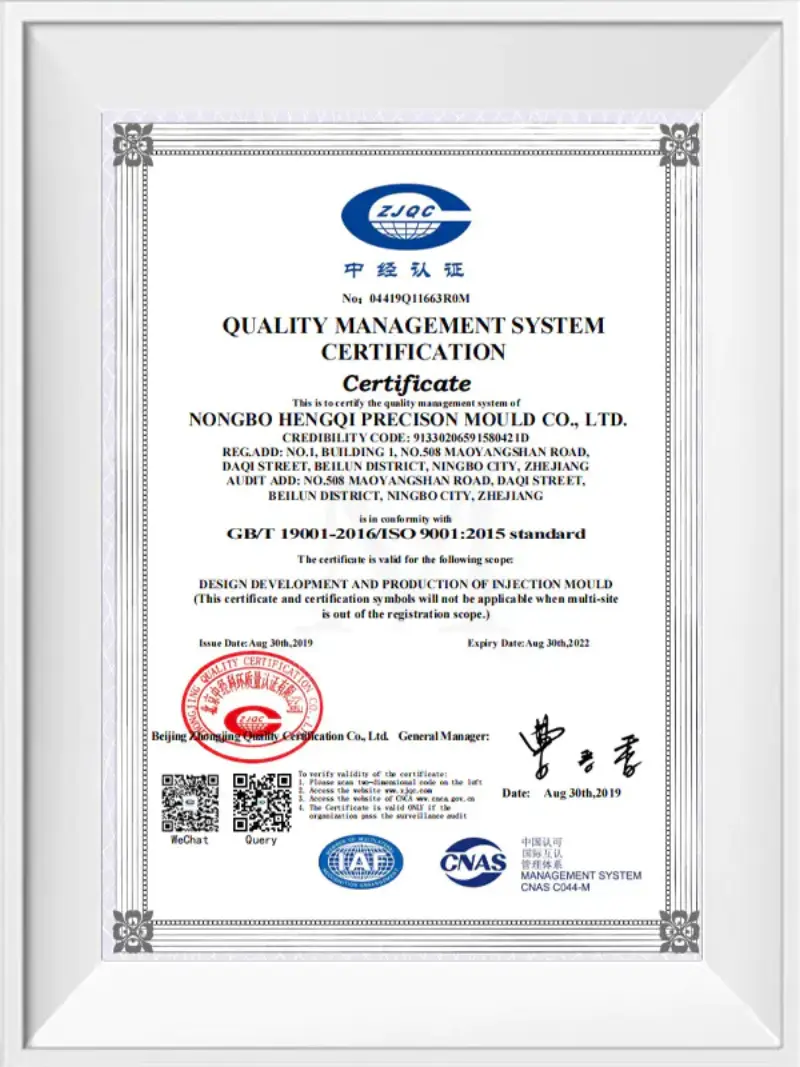
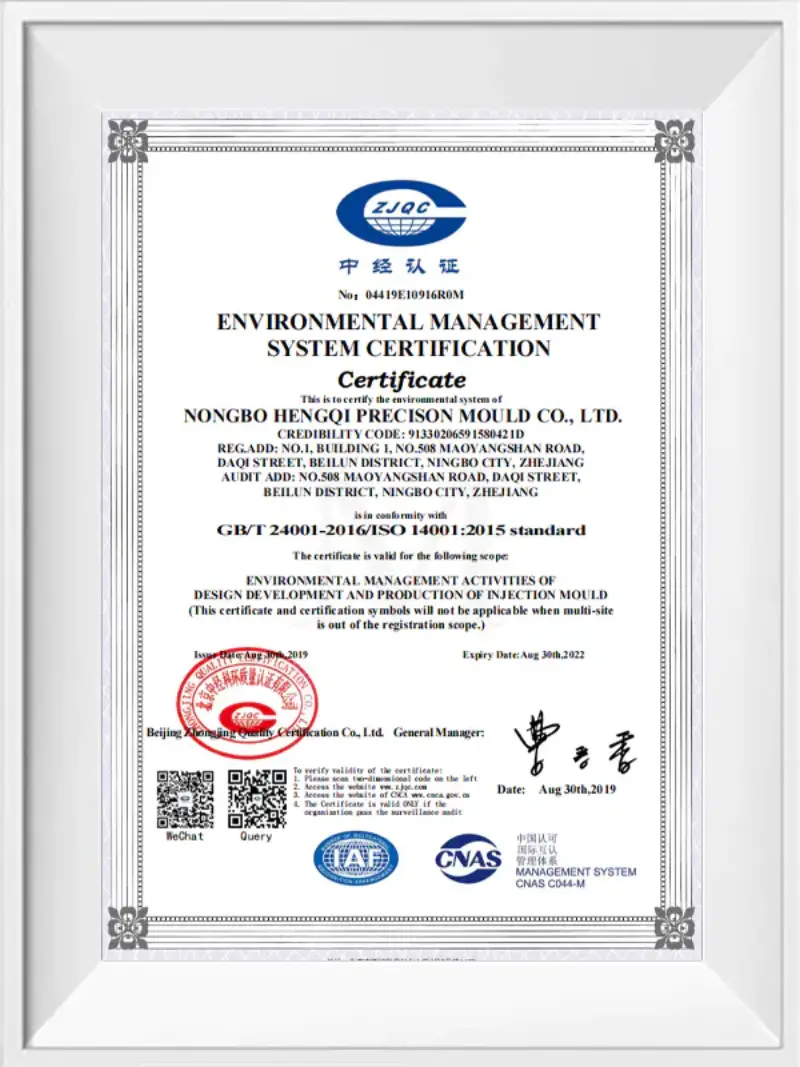
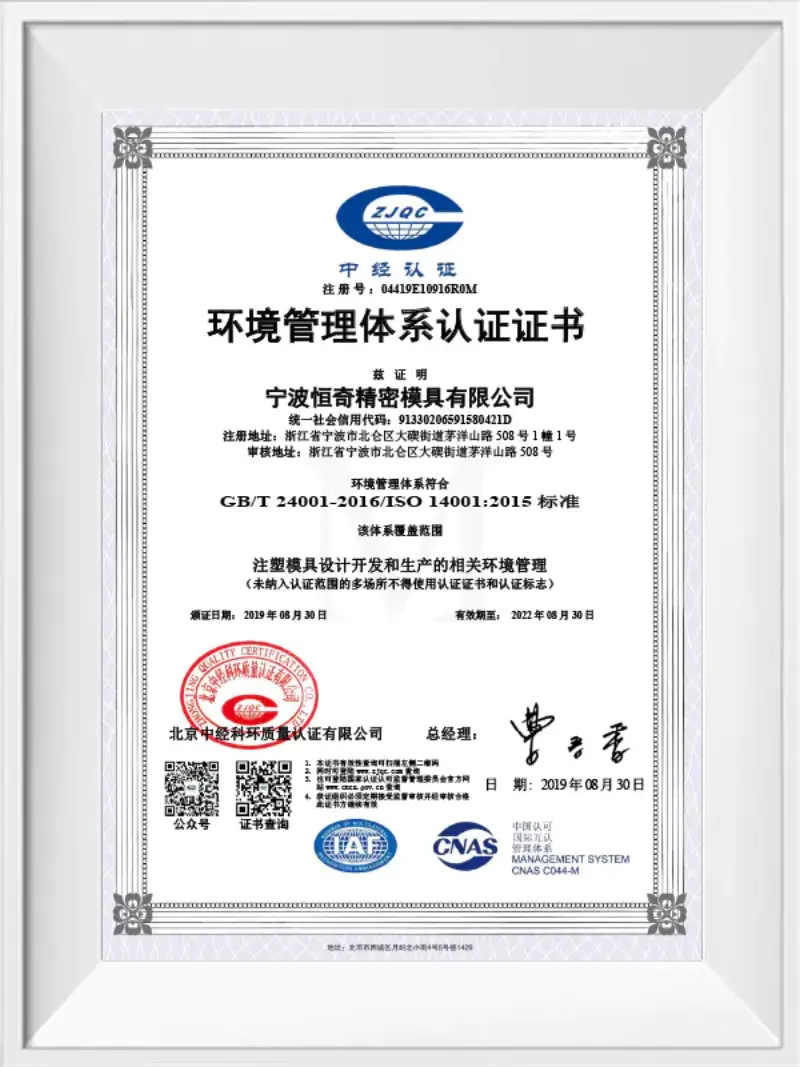
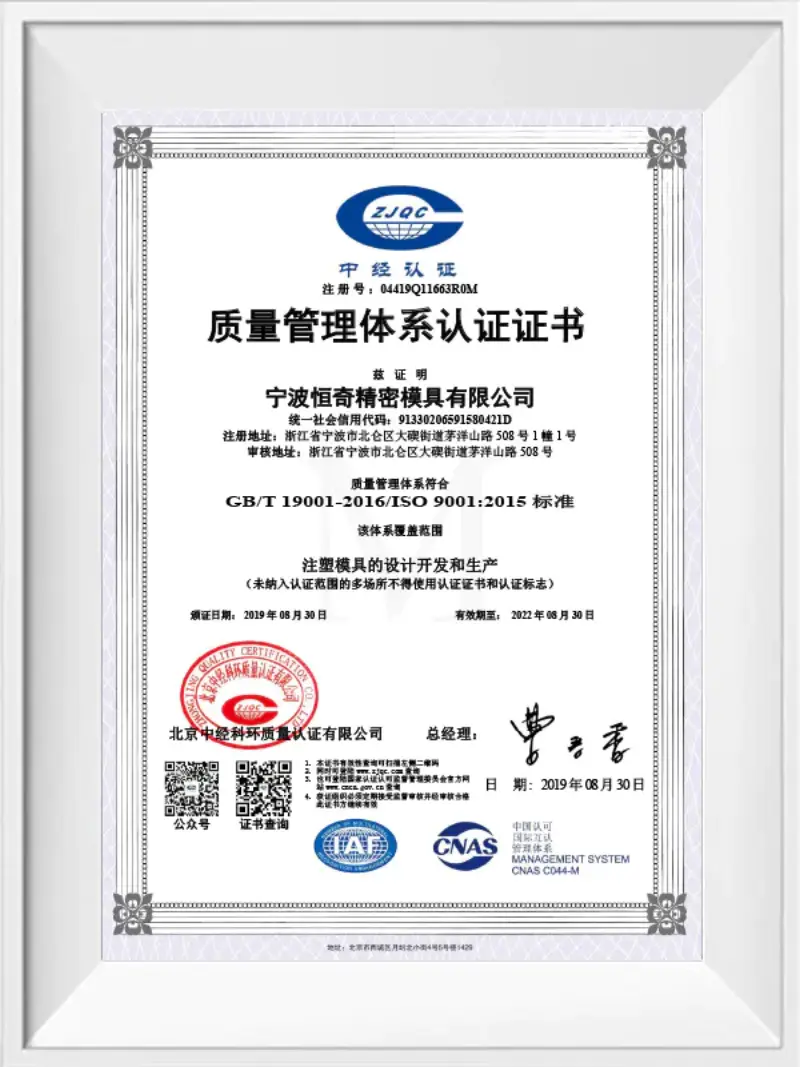
Ningbo Hengqi Precision Mould Co., Ltd. is professional China Plastic Injection Mould Manufacturers and custom Plastic Injection Mould factory, engaged in the development and manufacture of thin-wall packaging moulds. Our company has complete manufacturing equipment, scientific quality management system, rich practical experience in mould and hot runner production, combined with professional system design, using high-precision high-speed machining centers to achieve mold processing high standards. Hengqi Mould is in the leading position in the field of thin-wall injection molds in China. It produces thousands of sets of PP lunch boxes, cups and in-mold labeling system molds with a wall thickness of 0.35-0.45MM each year, which are supplied to the domestic market and exported to overseas. Hengqi Mould adheres to the spirit of continuous innovation and development of precision moulds.
In 2012, Hengqi Mould Factory was established.
In 2016, Hengqi Enterprise established Tianjin factory.
In 2017, Hengqi officially changed from individual to company.
In 2019, Hengqi established Chengdu branch and Betterfork cutlery department.
In 2024, Hengqi continues to expand international markets.