Thin-walled box packaging molds developed step by step as the push grew for containers that weigh less yet still manage to protect contents through handling and transport. Early versions focused on basic shaping but later refinements brought tighter control over how the plastic flows and cools inside the tool. The result shows up in boxes that feel sturdy enough for stacking or shipping without extra layers of material adding bulk.
Changes came because industries started looking closer at total costs that include fuel for moving heavier loads and waste left behind after use. Molds now handle the job of turning molten material into narrow walls that hold shape once they set. The process involves careful balancing of pressure and temperature so the plastic fills every detail without gaps or thick spots that waste resources.
These molds work by directing hot plastic into narrow cavities that form the sides and base of the box. The spaces sit close so the finished walls end up slim while the corners and edges gain enough strength to resist bending under load. Over repeated runs the tool maintains consistency so each box comes out close to the last one in weight and form.
The design pays attention to how the material spreads evenly rather than pooling in some areas and thinning too much in others. That evenness helps the box stay reliable when filled and sealed for movement through supply chains. Adjustments in the mold allow slight tweaks for different box depths or lid styles without starting from scratch each time.
Precision matters because tiny differences in wall thickness can cause to boxes that warp or crack when pressure hits them during stacking or drops. Molds built for this work hold measurements tight so the output stays uniform across long production stretches. Durability of the tool itself shows in how well it stands up to the heat cycles and pressure without surfaces wearing down quickly at the entry points or parting lines.
The boxes that come from these molds manage everyday stresses like vibration in trucks or compression in warehouses. Strength comes from the way the material distributes rather than from added thickness in random spots. In practice this setup supports packaging that travels well without needing extra padding or heavier outer wraps that raise costs.
Efficiency appears when each cycle uses only what the box truly needs instead of excess that gets trimmed away later. Shorter cooling times let more pieces finish per shift on the same line which spreads equipment costs thinner. Material savings build quietly because less resin goes in per unit and less scrap ends up collected at the end of the run.
Labor eases when the process runs smoother with fewer stops to clear jams or adjust settings between batches. The flow favors steady output even when order sizes change from small test runs to full shifts. Overall the approach trims waste at the source so the packaging leaves the line ready for use without heavy secondary processing.
Adaptability lets the same mold shape containers from resins that recycle more easily or come partly from renewed sources. Slight changes in processing conditions allow switching between material types without rebuilding the core tool. That range supports boxes meant for short-term food holding or longer storage of dry goods depending on the line running that day.
Producers gain room to test blends that lower environmental load while keeping the thin walls intact. The mold does not lock into one plastic family so adjustments happen as supply chains or rules shift around acceptable inputs. Finished pieces still close securely and stack without sliding even when the resin mix varies.
Wall Thickness Control Keeps material use low while maintaining strength Uneven filling or warping Flow path design and cooling balance
Mold Durability Handles repeated high-pressure cycles Wear at gates and parting lines Hardened inserts and maintenance schedules
Design Flexibility Supports varied box shapes and features Complex geometries slowing production Modular components for quick changes
Food and beverage lines use these molds for containers that travel from preparation areas to counters or doors while staying light enough to cut transport loads. Takeout boxes and trays come out thin yet seal against leaks during movement. E-commerce relies on similar packaging that cushions items inside parcels without adding unnecessary weight that drives up shipping fees across wide networks.
Consumer goods packaging benefits when outer boxes for household items or personal care stay minimal yet protect during shelf stacking and customer carry. Electronics see smaller enclosures that guard screens and parts through distribution without bulky foam inserts that complicate recycling. Healthcare packaging gains enclosures that maintain protection for supplies while reducing volume sent to disposal after single or limited use.
Lower material per box trims the total volume of plastic moving through factories and ending up in waste streams after short lives. Reduced weight in each shipment means less fuel burned in trucks and planes carrying goods from plants to markets. The molding process itself runs with fewer rejected pieces when flow stays even so energy spent on remelting scrap drops.
Across the full chain the lighter approach contributes to smaller footprints in transport and storage. As attention stays on waste and emissions the molds offer a practical route to packaging that still performs but leaves less behind once the contents reach their destination.
Work continues on ways to guide plastic more smoothly through narrow channels so walls form without weak lines or surface marks. Cooling layouts evolve to pull heat away evenly across the piece which shortens waits between cycles. Some setups now allow faster swaps of inserts that change box features while the main frame stays in place.
Teams test how different resin flows behave under pressure to raise the share of recycled content without losing thin-wall benefits. Surface finishes on the mold improve release so pieces eject cleanly and require less force that could distort fresh walls. The steady stream of small fixes keeps the technology aligned with tighter targets around resource use and production speed.
The path forward with thin-walled box packaging molds keeps linking better control in the tool to lighter outcomes in the final container. Each round of changes builds on what worked before so the boxes stay useful across more settings while the overall load on materials and energy trends downward. In daily operations the molds sit quietly at the start of chains that move goods with less drag on surrounding systems.
Looking back the molds moved from basic shaping tools to instruments that balance speed, consistency, and reduced impact in one package. The focus stays on getting functional boxes out the door with minimal excess that would otherwise travel or dispose at extra cost. Continued attention to flow, cooling, and material behavior opens room for further gains without losing the core strengths that made thin walls effective. The result supports packaging that meets protection needs today while easing pressures that come from volume and waste over longer stretches of time.
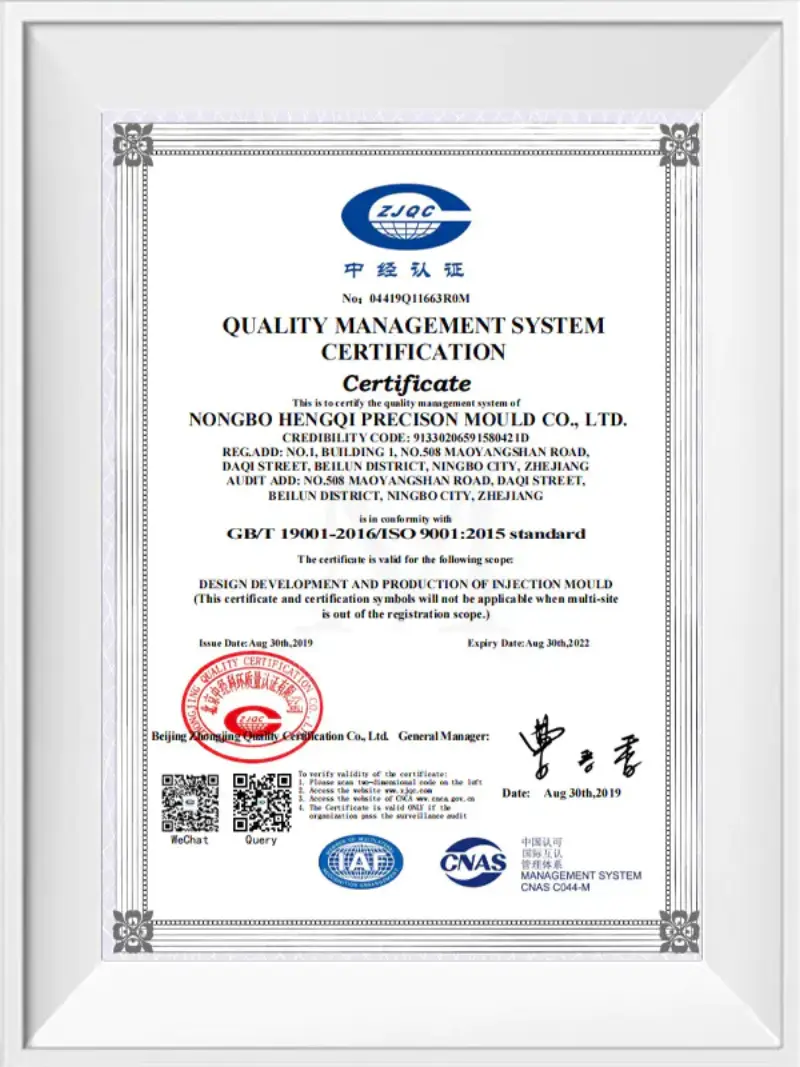
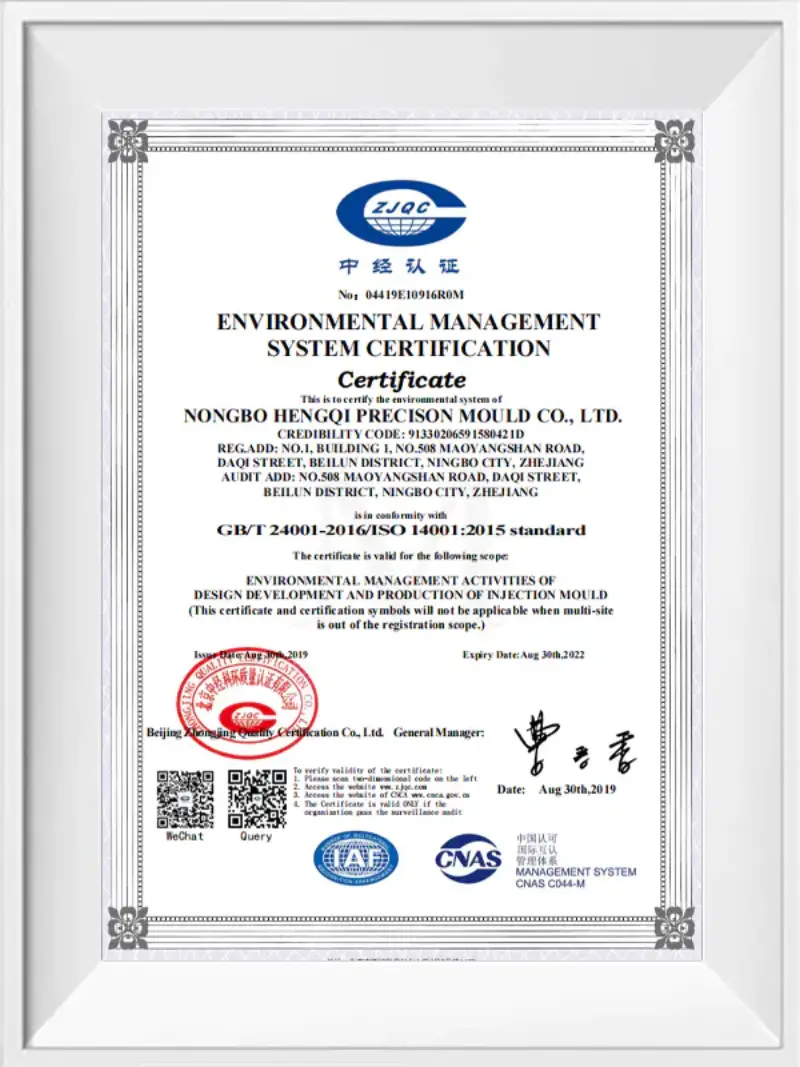
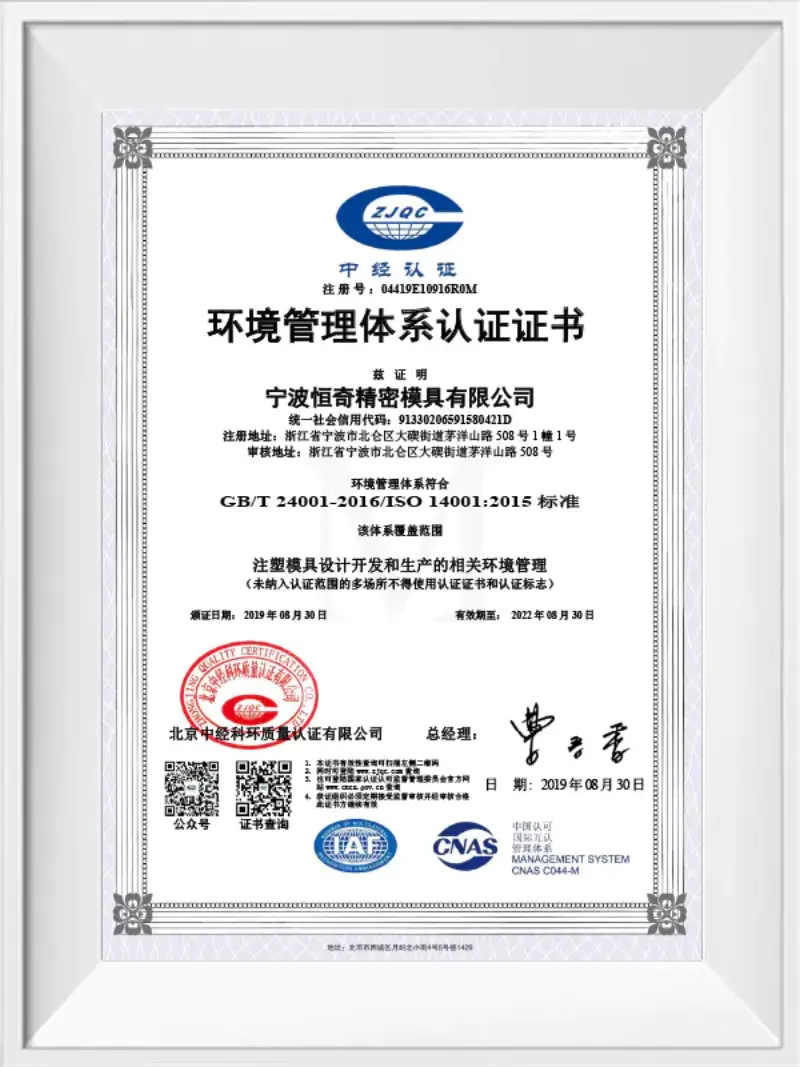
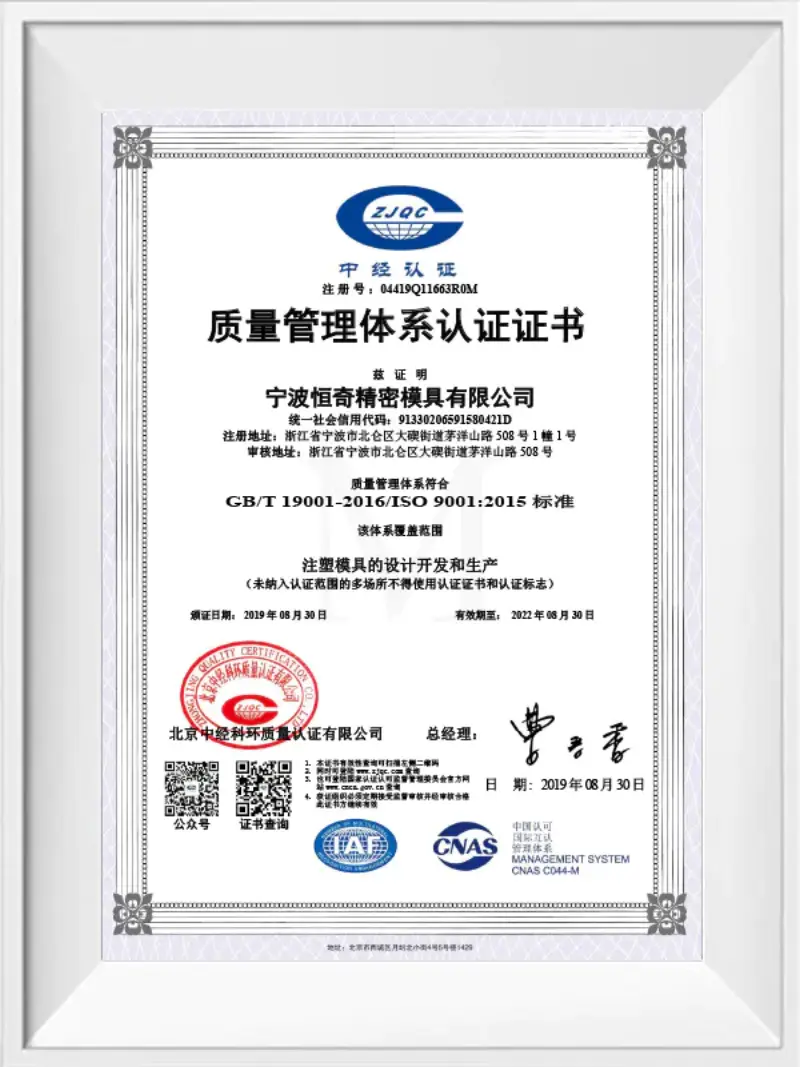
Ningbo Hengqi Precision Mould Co., Ltd. is professional China Plastic Injection Mould Manufacturers and custom Plastic Injection Mould factory, engaged in the development and manufacture of thin-wall packaging moulds. Our company has complete manufacturing equipment, scientific quality management system, rich practical experience in mould and hot runner production, combined with professional system design, using high-precision high-speed machining centers to achieve mold processing high standards. Hengqi Mould is in the leading position in the field of thin-wall injection molds in China. It produces thousands of sets of PP lunch boxes, cups and in-mold labeling system molds with a wall thickness of 0.35-0.45MM each year, which are supplied to the domestic market and exported to overseas. Hengqi Mould adheres to the spirit of continuous innovation and development of precision moulds.
In 2012, Hengqi Mould Factory was established.
In 2016, Hengqi Enterprise established Tianjin factory.
In 2017, Hengqi officially changed from individual to company.
In 2019, Hengqi established Chengdu branch and Betterfork cutlery department.
In 2024, Hengqi continues to expand international markets.