Cup injection molding is one of the simplest and widely used methods to turn plastic pellets into everyday drink containers. You take the raw pellets, heat them up until they melt and flow easily, then push the hot plastic hard into a prepared mold. Once it cools down and becomes solid, the finished cup pops out ready to go. This process runs fast and gives pretty consistent results, which is why it works so well for making huge numbers of cups that people pick up without a second thought.
But even though the final cup looks basic, there is a lot of careful thinking that goes on behind the scenes. The mold design is what really makes or breaks the whole operation on the production floor.
Mold design is the real backbone of making good plastic cups. The mold usually splits into two main parts that clamp tightly together inside the injection machine. When they close, they form a hollow space that exactly matches the shape of the cup you want, both inside and out. Designers have to spend a lot of time figuring out how the melted plastic will move through that space, how fast it will cool, and how the finished cup will come out cleanly without sticking or getting scratched.
Every little curve, the thickness of the walls, and the shape of the rim matters. A small mistake in any of these can cause to cups that come out warped, with uneven bottoms, or parts that get stuck and jam the machine. The mold also has to survive being heated and cooled over and over again without losing its accuracy. A solid design finds the right balance between making the mold strong enough and keeping the production cycle quick so everything runs smoothly while the cups still look and feel right.
Making plastic cups through injection molding comes with several headaches that show up pretty regularly. Sometimes the plastic does not flow evenly, leaving thin spots unfilled or creating ugly lines where the material meets from different sides. Cooling can happen faster in some areas than others, which makes the cup walls shrink unevenly and end up twisted or pulled in. If the cup sticks too much to the mold when it is time to eject, you get visible marks or scratches on the surface.
Different types of plastic shrink at different rates and behave differently when heated, which adds another layer of trouble. Things like dust, moisture in the pellets, or inconsistent material quality can also create defects that only become obvious after running many cycles. Fixing these problems often means constantly tweaking temperatures, pressure, and timing. But often, effective solutions begin with improvements to the mold itself, such as adding better vents, smarter cooling channels, or polishing the surfaces smoother.
These days, cup molds do much more than just create a basic shape. Designers build tiny textures straight into the mold surface so the cup feels grippy and secure in your hand without needing any extra coating. Volume markings or simple branding details can be formed right during the molding step, which saves time and money on later printing. Some molds use smart tricks to make the walls thinner while still keeping the cup strong enough to stack and handle without breaking.
Better cooling channel layouts help the plastic harden more evenly, which reduces warping and lets the machine run faster. These kinds of changes take ordinary cups and turn them into something that feels a bit more premium or useful for specific situations, like holding hot drinks better or stacking more neatly in busy cafes. The creative part of mold making mixes real technical skill with down-to-earth ideas that actually make the finished cups nicer to use every single day.
With more people worrying about plastic waste, mold designers are having to rethink both the materials and the whole process. Old-style plastic cups create a lot of trash after just one use, so the focus is shifting toward materials that break down more easily or contain more recycled content. The mold has to work well with these newer plastics, which sometimes behave differently when they melt or need gentler handling to avoid breaking down too soon.
Designers now try hard to reduce scrap by improving how the plastic runners and part layouts work so less material gets wasted and trimmed off. Molds that last longer also help cut down on how often they need replacing, which saves resources overall. Some teams are looking at ways to make the cups lighter without making them weak, which means using less raw material for each one. All these changes show a bigger movement in the industry toward production methods that try to fit better with environmental concerns while still keeping up with the fast pace and cost pressures that the market demands.
Mold Cooling Basic channels with uneven temperature Integrated layouts for uniform heat removal Reduced warping and faster cycle times
Material Handling Standard plastics with higher waste Greater use of recycled and alternative resins Lower environmental impact per cup
Overall Design Goal High volume at minimal cost Balance of function, appearance, and sustainability Better user experience with less waste
Structural optimization in cup molds really comes down to making every single part work harder and smarter. The goal is to build thinner walls that still have reinforcement exactly where it counts, so the cups use less material but remain tough enough to stack well and handle rough treatment without getting crushed. Cooling lines get placed strategically so the plastic sets evenly all the way around.
This helps the cup keep its nice round shape instead of warping once it comes out of the mold. A lot of molds these days use modular sections that make it much quicker to switch between different sizes or styles without starting over with a completely new mold. These tweaks let production lines adjust fast when customer orders change, while the overall quality stays consistent. The push for flexibility never means sacrificing strength, because cups that touch food still have to meet solid safety and performance rules.
Over time, these little improvements add up to smoother running lines, less downtime, and way fewer bad parts coming off the machine.
Cup injection molding sits at a busy intersection where factory know-how, everyday practicality, and growing environmental concerns all meet. Each mold comes from hours of careful calculations, repeated testing, and constant fine-tuning aimed at making containers that feel comfortable to hold and work reliably day after day. The process takes plain plastic pellets and turns them into straightforward items that carry drinks, support simple branding, and slip easily into hectic daily routines.
Yet this same technology now faces real pressure to waste less and use resources more wisely. Designers keep asking themselves how small tweaks to the mold shape or the flow of the plastic can cut down on scrap or open the door to more sustainable resins. This ongoing balancing act results in cups that handle today' s practical needs while quietly moving toward a smaller environmental footprint. In the end, these cups feel less like disposable junk and more like the result of genuine efforts to mix usefulness with a sense of responsibility.
The future for making plastic cups keeps pulling together smarter process controls and fresh material choices. There is more interest in systems that can make small adjustments in real time so the output stays steady even when the incoming pellets vary a bit from one batch to the next. Teams are focusing on cups that weigh less but still feel solid, which helps lower shipping costs and overall material use throughout the supply chain.
Testing resins from renewable sources brings new headaches for mold surfaces and cooling setups, but it also creates real opportunities for cups that fit better with circular economy thinking. Production flexibility keeps growing because molds now allow quicker switches between different cup styles. Overall, the industry is moving toward high-volume methods that no longer ignore the need to reduce waste and improve what happens to the cups after they have been used.
These changes help injection molding stay useful and up-to-date as broader societal expectations keep evolving.
No matter how fancy the injection machine becomes or how carefully the plastic gets prepared beforehand, the mold is still the one thing that decides the final quality, consistency, and efficiency of everything. A mold that has been properly thought out reduces defects, shortens cycle times, and leaves room for useful features that make the finished cup more practical. A bad mold design, on the other hand, causes endless adjustments, piles of scrap, and cups that simply fall short of what the market expects.
Spending real effort on smart mold engineering pays off through smoother production runs and the ability to adapt more easily when requirements shift. As concerns about sustainability and actual user experience keep growing stronger, the mold designer' s role becomes even more critical. Every decent cup that makes it to the shelves can ultimately be traced back to decisions made right at the start of the mold design stage.
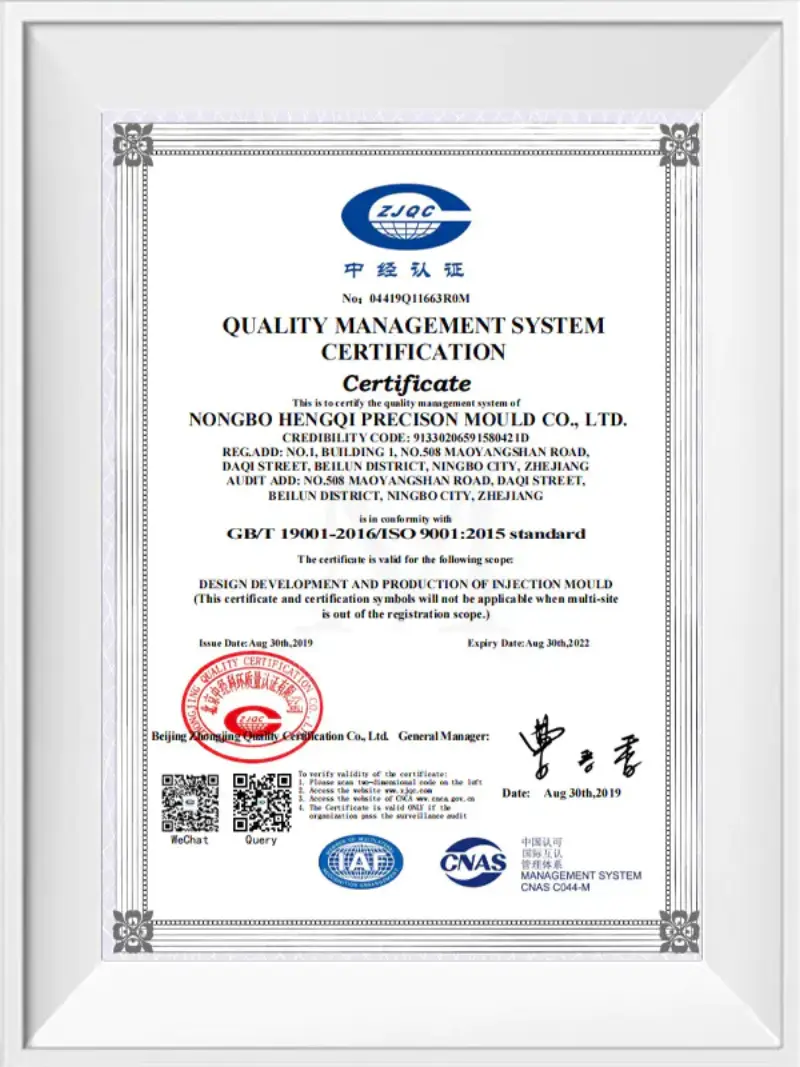
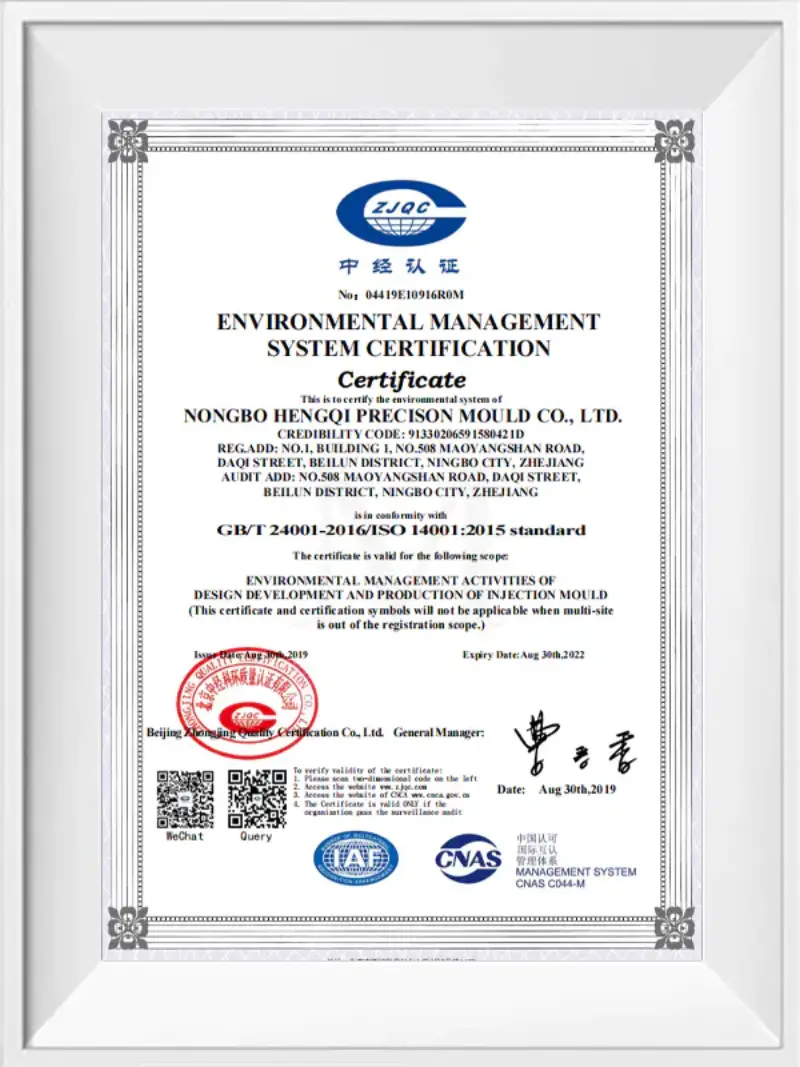
Ningbo Hengqi Precision Mould Co., Ltd. is professional China Plastic Injection Mould Manufacturers and custom Plastic Injection Mould factory, engaged in the development and manufacture of thin-wall packaging moulds. Our company has complete manufacturing equipment, scientific quality management system, rich practical experience in mould and hot runner production, combined with professional system design, using high-precision high-speed machining centers to achieve mold processing high standards. Hengqi Mould is in the leading position in the field of thin-wall injection molds in China. It produces thousands of sets of PP lunch boxes, cups and in-mold labeling system molds with a wall thickness of 0.35-0.45MM each year, which are supplied to the domestic market and exported to overseas. Hengqi Mould adheres to the spirit of continuous innovation and development of precision moulds.
In 2012, Hengqi Mould Factory was established.
In 2016, Hengqi Enterprise established Tianjin factory.
In 2017, Hengqi officially changed from individual to company.
In 2019, Hengqi established Chengdu branch and Betterfork cutlery department.
In 2024, Hengqi continues to expand international markets.