Industry News

Home/News/Industry News/The production process of injection molding cups

The production process of injection molding cups

Injection molding cups show up in all kinds of normal moments during the day. Coffee shops pass them out for hot drinks, offices keep piles ready for quick coffee breaks, and homes grab them for water or simple snacks. These cups stay in the background because they feel light, hold up okay, and do not cost much when made in big numbers. Behind every finished cup sits a steady production line that turns plain plastic pellets into thousands of the same item that end up on shelves and counters without anybody noticing much.

The whole flow keeps a balance between going fast, staying consistent, and watching the little things so the cups work reliably whether they hold hot coffee or cold water.

Raw Material Selection and Preparation

Picking the right raw material decides how the cups will act when people actually use them. Plastics like polypropylene handle heat decently and stand up to normal stuff that gets spilled on them while still feeling strong enough for regular grabbing and stacking. The people making the cups look over the incoming pellets pretty carefully for any dirt or differences because even small changes at the start can turn into thin walls or weak spots later.

The material also has to pass basic safety tests so nothing bad leaks into drinks when the cup gets warm or cold. Strict checks on every batch coming in help weed out anything that does not flow right when heated. This early step stops a lot of problems down the line and keeps the machines running without having to stop and fix things all the time.

The Core Injection Molding Step

After the pellets get checked, they go into big machines that heat them up until the plastic turns soft and can flow. The hot plastic then gets pushed hard into a metal mould that is cut exactly in the shape of the cup. The mould shapes the bottom, the sides, and the rim all in one go so every cycle spits out a full cup. The pressure, the heat, and how fast the plastic fills the mould all need watching because even a small change can cause thin spots, little air bubbles, or walls that end up thicker in some places than others.

A well-made mould lets the plastic spread into every corner before it starts cooling and shrinking. When the timing works right the mould opens up and the cup falls out ready for whatever comes next. This same cycle keeps repeating hour after hour, turning out cups at a steady rate that matches what shops and offices need without somebody having to fiddle with the machine constantly.

Stage Primary Activity Key Focus Areas Common Outcome in Finished Cups

Material Preparation Checking and drying pellets Purity and flow consistency Even wall thickness and fewer defects

Injection Phase Melting and forcing plastic into mould Pressure, temperature, fill speed Accurate shape and smooth surfaces

Cooling and Ejection Controlled cooling then part removal Uniform temperature drop, careful release Minimal warping or sticking

Finishing Steps Trimming edges and removing flash Clean edges and surface appearance Ready-to-use look with no sharp bits

Quality Checks Inspection and testing of samples Dimensions, strength, visual quality Consistent performance across batches

After the plastic fills the mould it must cool at the right pace. Too fast and the cup may warp; too slow and the production rhythm breaks. Controlled cooling keeps the shape stable so the cup releases cleanly when the mould opens. Workers or automated arms then remove any small bits of extra plastic along the edges. Light trimming smooths the rim and base so the cup feels comfortable to hold and stack.

These quick finishing touches happen right after ejection to keep the line flowing. Cups that pass this stage already look close to final form, though further checks still lie ahead before packaging.

Ongoing Quality Control Throughout Production

Quality checks happen right along with every big step instead of waiting until everything is done. The raw material gets basic tests for how well it flows and whether it is clean enough. While the injection is running, operators keep an eye on the main machine readings so they can catch any drifting before it messes up a whole batch. Finished cups get looked over by eye for any surface marks, measured for height and width to make sure they stay the same, and tested quickly to see if the bottom and sides actually hold liquid without leaking.

Sometimes random cups get extra checks to see how they handle normal heat or pressure. When a problem shows up early, the team can fix it fast so the rest of the run stays okay. This kind of constant watching cuts down on waste and keeps a steady supply of good cups heading out to customers.

Wide Use Across Different Settings

Injection molding cups fit into all kinds of places because they are light but still strong enough for regular daily use. Homes grab them for everyday drinks or leftover food. Offices keep stacks near the water cooler and in meeting rooms for quick breaks. Food service spots use them for takeout and fast orders because they stack easy and travel without much trouble. The same basic cup shape works across these spots with just small changes in how thick the walls are or how the rim looks.

Their low cost and steady performance make them a sensible choice when big numbers are needed without giving up basic safety or usefulness for food and drink.

Long-Term Trends Shaping Production Methods

The way these cups get made keeps changing slowly as people pay more attention to material use and cutting waste. More runs now mix in higher amounts of recycled plastic while still keeping the flow and strength needed for thin cups. Machines run with tighter controls on energy so less heat gets wasted during the heating and cooling parts. Mould designs get updated to make each cycle a bit quicker without ruining the surface finish.

These small improvements help keep the output high while answering calls for less impact on materials. The main process stays pretty much the same, but little tweaks in how the material is handled, how temperature is managed, and how the finishing steps work keep the cups competitive in a market that wants both practical everyday items and a bit more responsibility.

Overall Contribution to Daily Convenience

Injection molding cups quietly help with all kinds of ordinary moments by giving an cheap and consistent way to hold liquids in different situations. The production line that makes them balances going fast with watching the small details so the finished cups come out the same and ready to use. From the raw pellets through heating, moulding, cooling, trimming, and checking, each part builds on the one before it to create cups that work reliably without anybody paying them much mind.

This steady manufacturing way lets the cups stay common in homes, offices, and service spots while keeping the cost reasonable. As needs change the process adjusts through practical little changes rather than big overhauls, so these simple cups keep serving everyday uses across all kinds of places and ways people actually use them.

Featured Products

Company Profile

about hengqi

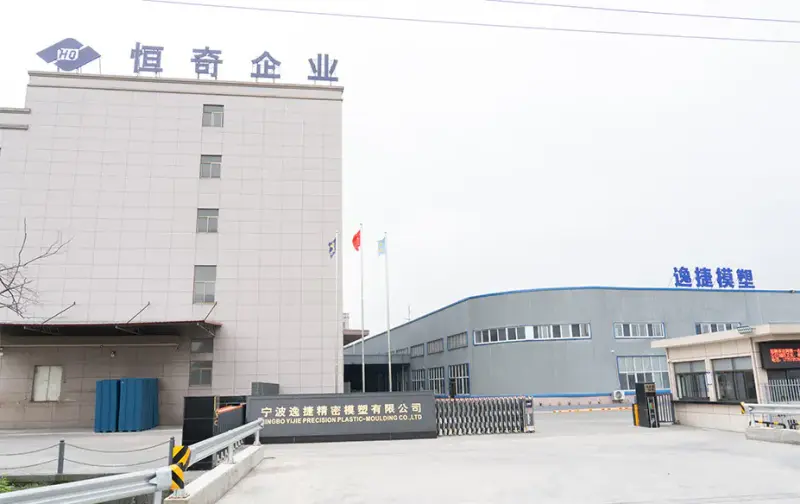
Ningbo Hengqi Precision Mould Co., Ltd. is professional China Plastic Injection Mould Manufacturers and custom Plastic Injection Mould factory, engaged in the development and manufacture of thin-wall packaging moulds. Our company has complete manufacturing equipment, scientific quality management system, rich practical experience in mould and hot runner production, combined with professional system design, using high-precision high-speed machining centers to achieve mold processing high standards. Hengqi Mould is in the leading position in the field of thin-wall injection molds in China. It produces thousands of sets of PP lunch boxes, cups and in-mold labeling system molds with a wall thickness of 0.35-0.45MM each year, which are supplied to the domestic market and exported to overseas. Hengqi Mould adheres to the spirit of continuous innovation and development of precision moulds.

2012

In 2012, Hengqi Mould Factory was established.

2016

In 2016, Hengqi Enterprise established Tianjin factory.

2017

In 2017, Hengqi officially changed from individual to company.

2019

In 2019, Hengqi established Chengdu branch and Betterfork cutlery department.

2024

In 2024, Hengqi continues to expand international markets.

view moreview more

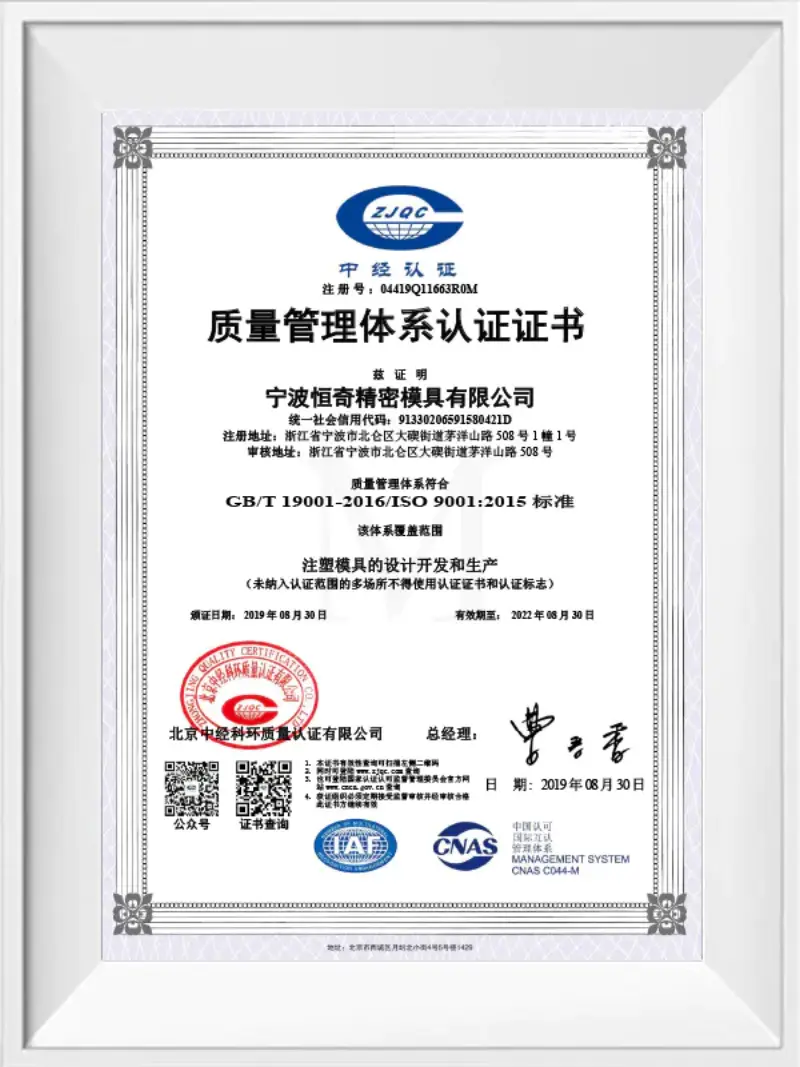
Certification

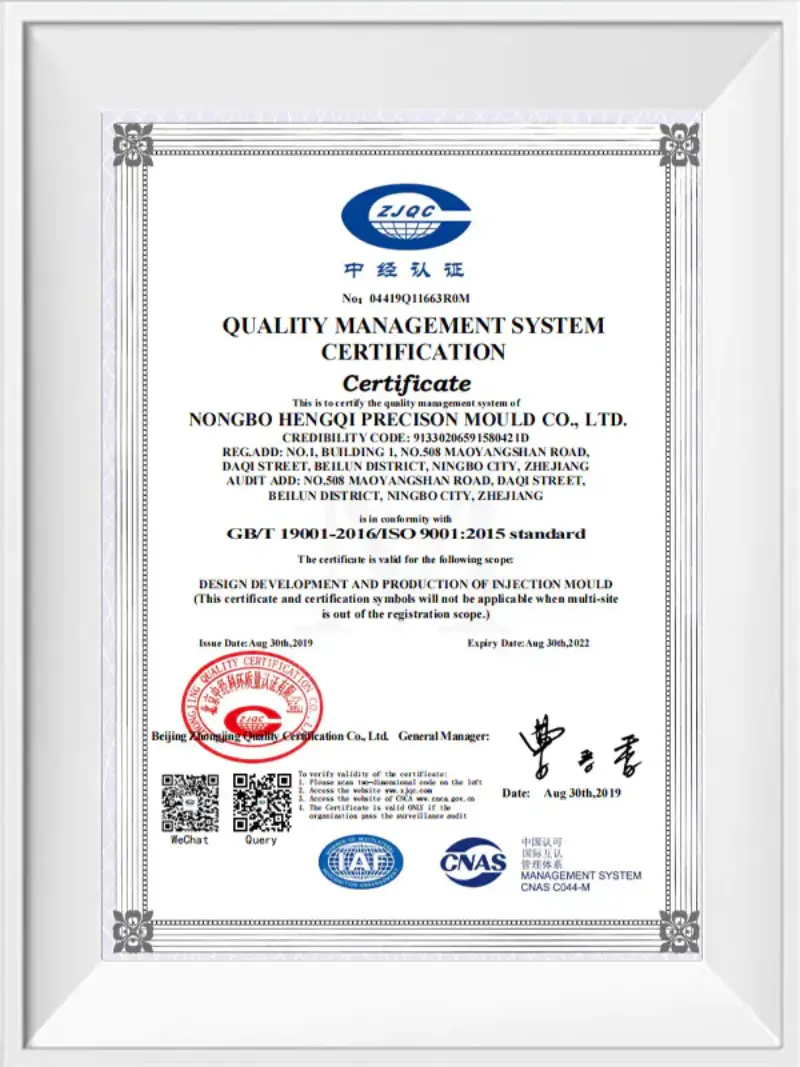
Quality Management System
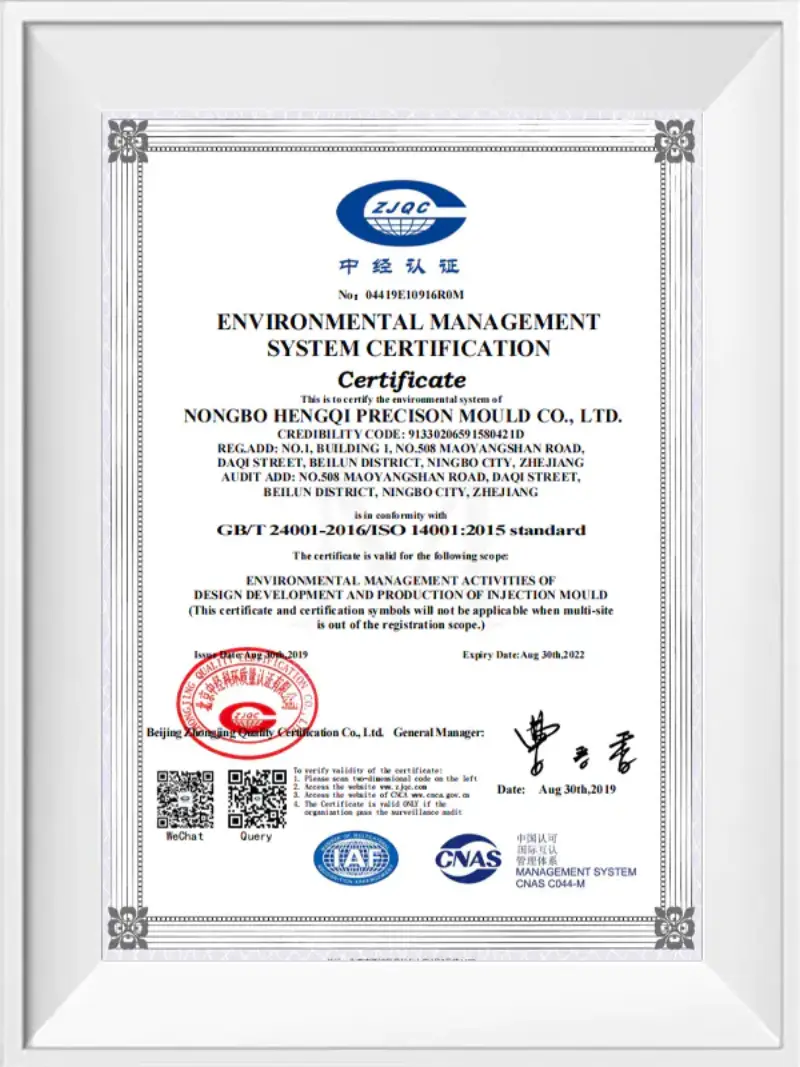
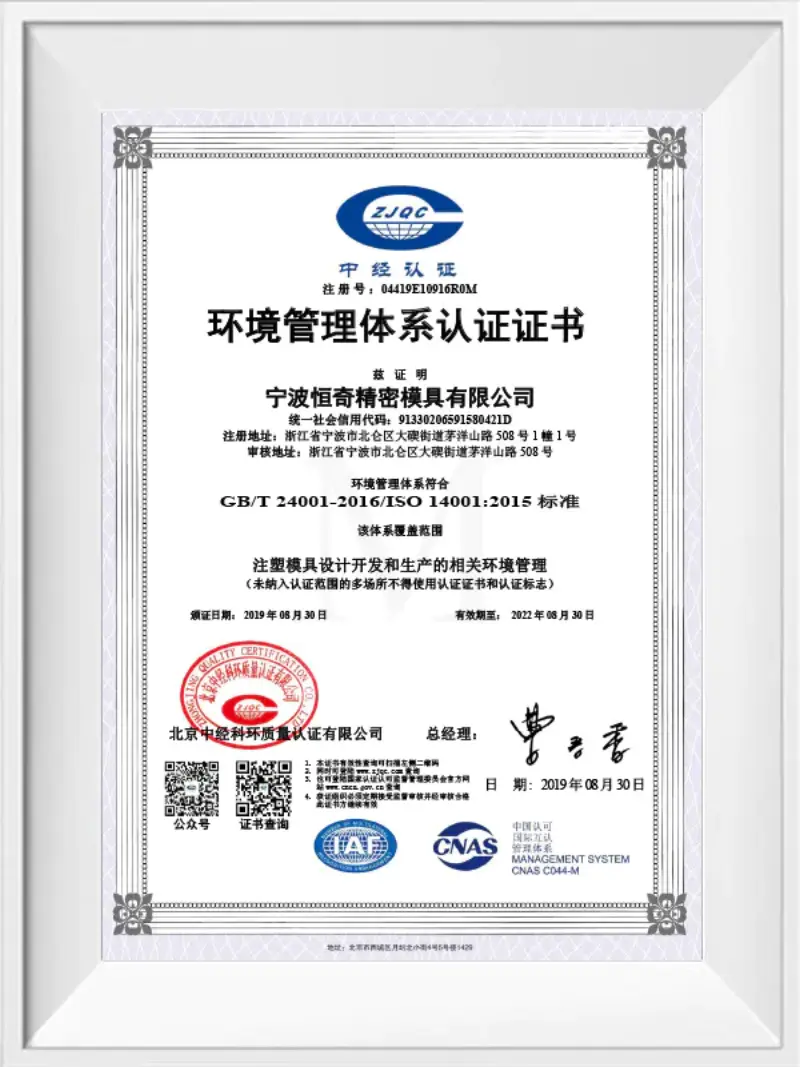
Environmental Management System
AS Certification
SAAA Certification