Industry News

Home/News/Industry News/The Role of a Plastic Injection Mould Factory in Modern Manufacturing

The Role of a Plastic Injection Mould Factory in Modern Manufacturing

Manufacturing today runs on ways to turn raw plastic into finished items that show up everywhere in daily life. Plastic injection mould Factory handles a huge variety of things people actually use without much fuss. Food storage containers, small toys kids play with, hidden parts inside cars, and pieces inside electronic gadgets often start as simple pellets that get shaped in these factories. The basic idea stays the same — heat the pellets until they melt, push the liquid plastic hard into a metal cavity, then let it cool until it turns solid again.

Factories that do this work run the same cycle over and over, and each piece comes out looking almost exactly like the one before it. That steady rhythm makes it possible to keep large production lines moving without stopping every few minutes to fix something or make big changes.

Precision in Creating Complex Shapes

These factories shine when the job calls for shapes that look complicated or have very fine details. Tight corners, super thin walls, or tiny surface patterns become doable because the hot plastic gets forced into every little space inside the mould under strong pressure. Places that build cars or aircraft parts like this method because even tiny differences in size can cause bigger problems later when everything has to fit together.

The mould carries all the fine work, so once it is made right the factory can turn out piece after piece that matches closely. This kind of accuracy saves time downstream because the parts drop into place during assembly without constant trimming or adjusting.

Efficiency During High-Volume Runs

After the mould is set up the actual making part moves along at a steady pace. The machine opens, pushes out the cooled piece, closes again, and starts the next round. That simple repeated motion lets the factory keep going through long work shifts without slowing down much. Faster cycles mean more pieces get finished in the same amount of time, which helps everyone meet tighter delivery dates. Running the same mould many times also brings the cost of each individual part down as the numbers grow, so it makes sense for products that need to be made in large batches.

Many factories line up several machines together so they can run different items or different colors at the same time without messing up the main flow of work.

Flexibility Across Materials and Colors

Changing from one type of plastic to another or switching colors does not mean tearing the whole setup apart. Factories usually keep several common plastic resins ready, so they can switch feeds fairly quickly when the next job needs different properties. One day the line might run clear containers for food, and the next day it switches to tough black housings for tools. Color changes often happen just by loading different pellets, letting the final look match whatever the product needs.

The same mould can sometimes work with several grades of plastic, giving designers a chance to try out versions that feel stronger, bend more easily, or handle heat better without having to cut a whole new set of tooling every time.

Sustainability Efforts Inside the Factory

Factories that do injection moulding keep looking for ways to use fewer new resources while still turning out good parts. Recycled pellets get mixed into many runs, cutting down on how much fresh plastic comes in. Heating and cooling systems run smarter now so they waste less energy during each cycle. Leftover plastic from the edges or pieces that did not form right often gets ground up and fed back into the next batch instead of being thrown away.

These small changes add up and help ease the overall pressure on materials and energy without hurting the quality of what comes out the other end. Places that keep working on these habits fit better with the wider push toward cleaner ways of making things that end up in stores and homes.

Factors to Weigh When Selecting a Factory

Picking the right factory often comes down to how well the team knows the work. Experienced operators catch small problems before they turn into big delays and keep the machines running smoothly day after day. Solid maintenance on the equipment keeps measurements tight and avoids surprise stops in the middle of a run. The speed of moving from drawings to initial trial pieces and then into full production can make a real difference in how fast a new item reaches the market. Factories that handle everything from early design help to actual high-volume output under one roof cut down on extra steps and handoffs between different places.

Good clear talk about delivery times and quality checks also helps keep the whole project moving without constant back-and-forth that slows things down.

Aspect Typical Contribution Benefit in Daily Manufacturing Effect on End Products

Precision Accurate replication of mould details Consistent part dimensions across batches Reliable fit and function in assemblies

Production Speed Short cycle times for each piece Higher output within available machine hours Faster delivery to market

Material Flexibility Easy changes between resins and colors Wider product range from same tooling Greater design options without new moulds

Cost Efficiency Lower per-piece cost at higher volumes More competitive pricing for large runs Affordable components for everyday items

Repeatability Minimal variation between cycles Stable quality throughout long production runs Reduced inspection and rework needs

Role in Supporting Multiple Industries

The same basic injection process ends up working for very different kinds of products across many sectors. Small everyday consumer items often need nice-looking surfaces and colors that match exactly. Car parts usually call for materials that hold up under heat and stress. Medical pieces require production areas that stay very clean and dimensions that stay exact. Housings for electronic devices frequently combine thin walls with strong snap-fit features that need to click together reliably.

Because one factory can tweak temperatures, pressures, and the type of plastic going in, the same basic setup handles all these different demands without needing completely separate production lines for each industry. This shared way of working helps keep overall costs lower while still giving each sector the specific performance it needs from the finished parts.

Longer-Term Advantages in Supply Chains

Having steady moulding capacity makes it easier for manufacturers to follow tight delivery schedules where parts arrive exactly when they are needed. When the quality stays consistent from batch to batch, there is less need to keep large piles of extra stock sitting around just in case. The factory can often increase or slow down output fairly quickly when market needs shift, which helps avoid big gaps or overstock situations.

Over many years the people working there build up a lot of quiet knowledge about how moulds wear down, how different plastics behave under heat, and which small process changes make the biggest difference. New factories take time to gain that same feel for the work. All those small bits of built-up experience cause to smoother day-to-day manufacturing flows and fewer sudden problems when busy seasons hit.

Practical Realities of Daily Factory Operations

The machines follow a repeating pattern that includes pushing the melted plastic in, letting it pack tightly, cooling it down, and then pushing the finished piece out. People watching the line keep an eye on things like heat levels, pressure, and how long each step takes so nothing drifts too far from what works. The moulds themselves need regular wiping down and small adjustments to stop plastic from leaking around the edges or sticking inside.

Pellets often go through an initial drying step because even a little moisture can create bubbles or weak spots in the final part. Checks on the pieces happen at regular points during the run to catch any slow changes before a whole pile of bad parts builds up. These everyday routines keep the output steady and help the factory hit delivery dates without everything turning into a last-minute scramble.

Evolving Practices in the Sector

Newer machines give much finer control over how fast the plastic shoots in and how much pressure builds up, which leads to smoother surfaces on parts that people actually see. Software that predicts the flow of molten plastic inside the mould helps catch problems before the steel is even cut, cutting down on the number of test runs needed. Sometimes quick prototype moulds get made with other methods for early testing, then the real production tooling takes over for the big volumes.

Mixing these newer tools with the traditional injection process keeps the whole method useful even as product designs become more complicated and customers expect things faster. The blend of old reliable steps and fresh ideas helps the factories stay practical as demands keep shifting.

Looking at the Overall Value in Modern Production

Plastic injection moulding factories sit quietly behind a huge number of items that fill everyday life. The mix of good accuracy, steady speed, and the ability to change materials gives support to everything from simple household objects to more advanced technical pieces. Once the mould is set up right, the process turns basic pellets into finished shapes with very little difference from one piece to the next.

Being able to switch plastics and colors lets makers adjust to new styles or performance needs without rebuilding everything from the ground up each time. Paying attention to regular maintenance, energy use, and smarter material choices helps keep production running while also easing some of the pressure on resources. When all these parts come together the factory turns out reliable batches that keep supply chains moving and products reaching stores or assembly lines without constant delays or quality headaches.

The method stays important because it quietly handles so many different manufacturing problems across all sorts of products and production sizes at the same time.

Featured Products

Company Profile

about hengqi

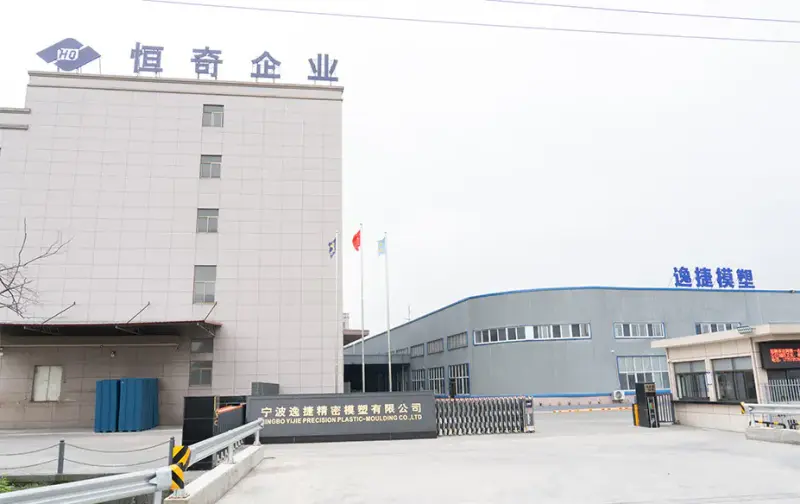
Ningbo Hengqi Precision Mould Co., Ltd. is professional China Plastic Injection Mould Manufacturers and custom Plastic Injection Mould factory, engaged in the development and manufacture of thin-wall packaging moulds. Our company has complete manufacturing equipment, scientific quality management system, rich practical experience in mould and hot runner production, combined with professional system design, using high-precision high-speed machining centers to achieve mold processing high standards. Hengqi Mould is in the leading position in the field of thin-wall injection molds in China. It produces thousands of sets of PP lunch boxes, cups and in-mold labeling system molds with a wall thickness of 0.35-0.45MM each year, which are supplied to the domestic market and exported to overseas. Hengqi Mould adheres to the spirit of continuous innovation and development of precision moulds.

2012

In 2012, Hengqi Mould Factory was established.

2016

In 2016, Hengqi Enterprise established Tianjin factory.

2017

In 2017, Hengqi officially changed from individual to company.

2019

In 2019, Hengqi established Chengdu branch and Betterfork cutlery department.

2024

In 2024, Hengqi continues to expand international markets.

view moreview more

Certification

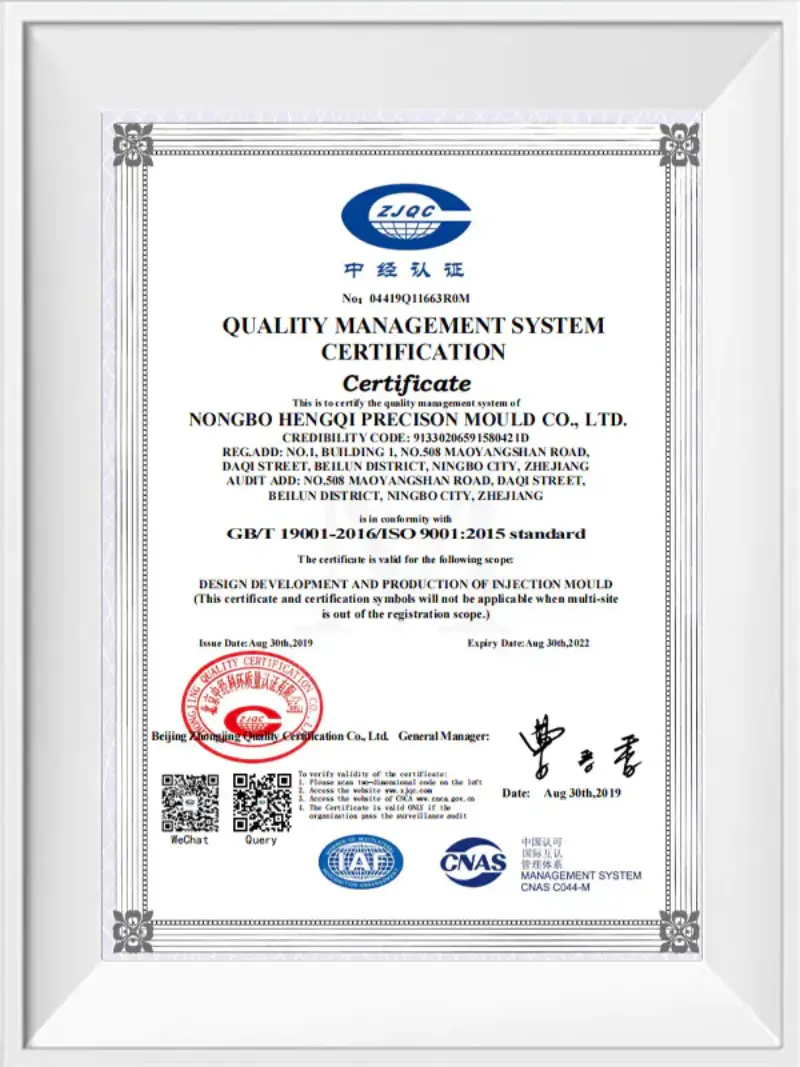
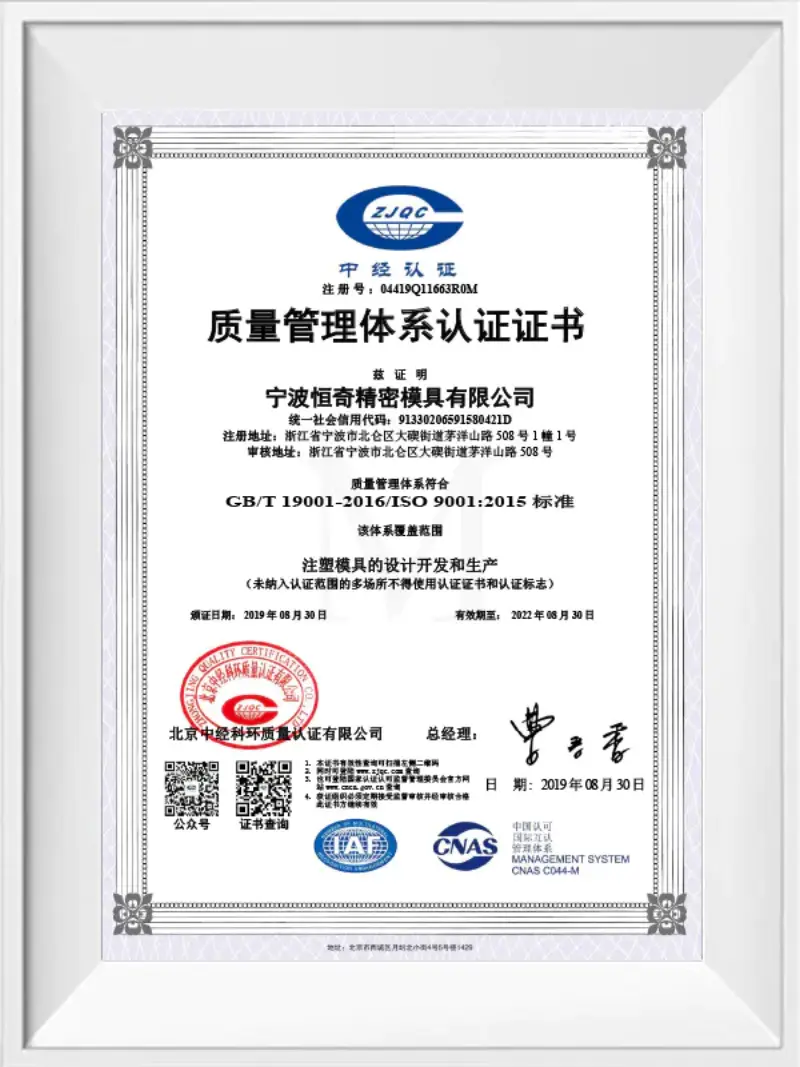
Quality Management System
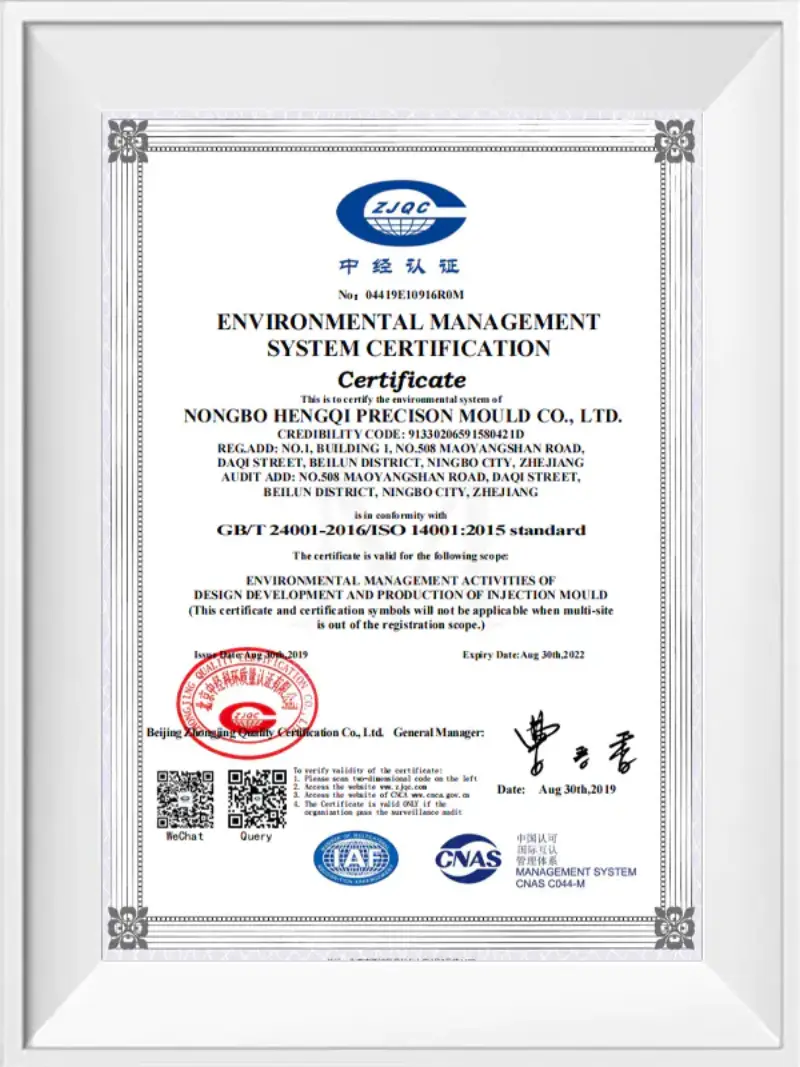
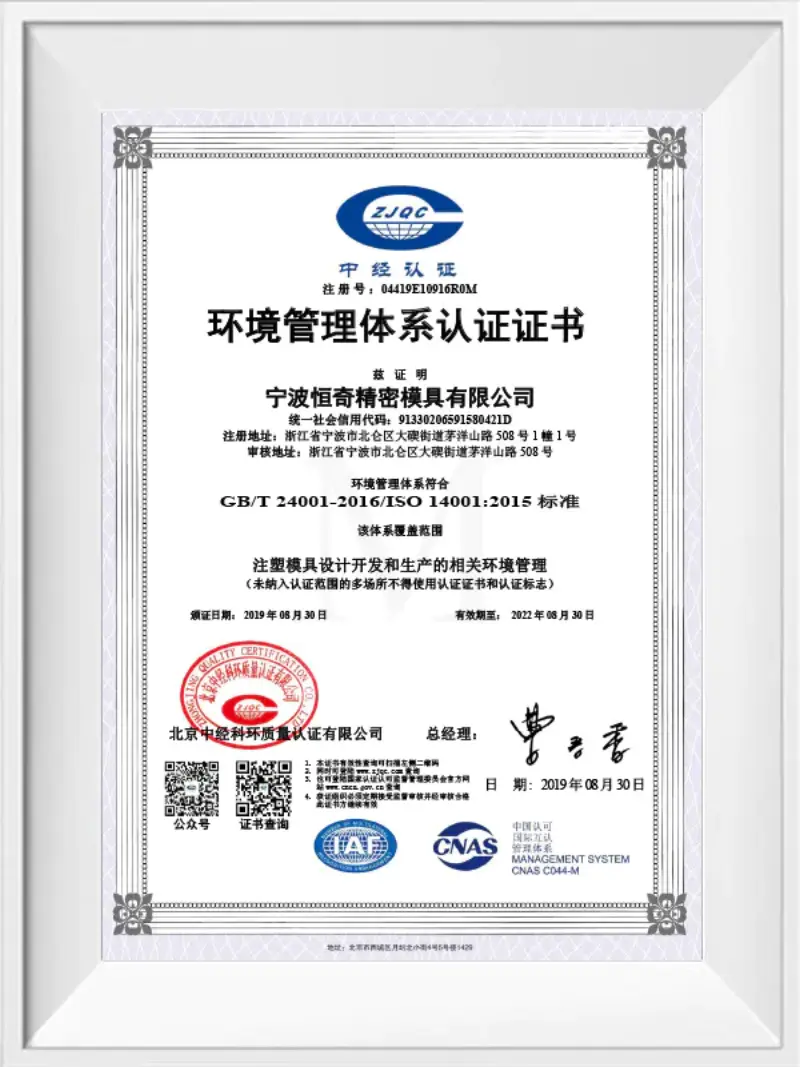
Environmental Management System
AS Certification
SAAA Certification