Manufacturing moves at a steady clip these days with plastic container moulds sitting squarely in the middle of keeping things running smooth and practical across many lines of work. These moulds shape the everyday containers that turn up in storage packaging and handling routines without drawing much notice until something needs holding or protecting. The whole system brings a kind of quiet push toward better efficiency because the moulds handle repeated cycles while keeping output reliable enough for different industries to count on them.
Over time this setup turns basic plastic into useful forms that fit into supply chains and home use alike without constant readjustment or waste piling up along the way. The approach feels natural once production scales because the moulds take care of the shaping details that would otherwise slow everything down or create uneven results.
Plastic container moulds serve as the core tools that guide liquid material into final shapes through careful internal designs cut to match what the container should look and function like. The process involves sending the softened plastic into these forms where it cools and sets into bottles jars or other packaging pieces that hold contents securely. Every mould gets built with close attention to the spaces and surfaces inside so the end result comes out close to the planned form each time rather than drifting off in random ways.
This foundation supports steady output because the same mould can run through many cycles without losing its edge or requiring major fixes between batches. The result is a base that lets manufacturing focus on volume and quality instead of fighting with inconsistent shaping that would complicate later steps like filling or sealing.
What really catches the eye about plastic container moulds is how they turn out piece after piece that looks and measures almost exactly like the one before it so any tiny differences stay small enough not to cause headaches later on down the production line. The careful work built into the moulds pins down the exact sizes and surface finishes so every container ends up fitting the required standards for how it closes how strong it feels and how well it performs overall without wandering off course from one unit to the next.
Industries that need reliable holding and safe storage lean heavily on this steady sameness because even a slight change in shape or thickness could throw off the seal or make the container less dependable once it starts getting filled and moved around in normal conditions. The smooth steady output cuts down on the time spent picking through finished pieces to fix or sort them which keeps the whole manufacturing flow rolling along without random stops or extra steps that pile on extra expense and slow everything down.
After enough cycles of the same reliable results a quiet sense of trust builds that whatever comes out will do its job properly when it moves on to filling sealing or shipping stages without any sudden surprises showing up.
Plastic container moulds chip away at overall spending by making sure the material going into each cycle gets shaped more completely so less of it ends up as scrap that gets tossed aside or left unused at the end of the run. The way the moulds guide the plastic lets it fill the spaces cleanly instead of letting extra bits spill over or cling where they do not belong which keeps the leftover amounts noticeably smaller than they might be with less precise methods.
On the labor side, the workload lightens up too because the moulds take care of the detailed shaping work, leaving only lighter checking and basic oversight that does not call for constant hands-on fixes or adjustments. That kind of steady efficiency starts to add up nicely when runs stretch longer making the whole process feel more manageable for holding production expenses in line while still delivering containers that handle ordinary storage and transport needs without falling short.
The drop in wasted material also leaves the entire operation sitting a bit easier on available resources which lines up well with the growing push toward handling materials more thoughtfully instead of letting excess build up without much concern.
Plastic container moulds stand out for the noticeable room they give to switch between different plastic materials depending on whether the finished container needs to hold its shape stay somewhat bendable or stand up better against particular surroundings it will face. The core mould design can move from lighter easier flowing plastics over to heavier more solid ones without forcing a complete rebuild of the tooling from scratch every single time a change comes up.
This kind of built-in flexibility creates space to test out containers that match specific holding jobs or storage setups that shift depending on what goes inside them from one product line to another. Production teams end up with more breathing room to try new shapes and practical features that answer changing requirements because the moulds do not trap the whole process inside one narrow set of material choices.
In the end the setup opens the door to a wider range of containers that can manage everything from simple lightweight wrapping duties to tougher industrial storage roles all while avoiding the slowdown and expense of starting the tooling process over again from the beginning.
Plastic container moulds support work in food and beverage settings by forming bottles caps and holders that keep contents protected and easy to handle under normal conditions. The cosmetics and personal care side uses them for shaping packages that contain lotions creams and similar items where both appearance and secure closure matter together. In pharmaceutical and healthcare areas the moulds help create containers for medicines and related supplies that need reliable sealing and material stability during storage or transport.
Household and industrial lines rely on these moulds for making holders that store cleaning supplies detergents and heavier materials that require sturdy containment without leaking or breaking down quickly. The same tooling approach stretches across these fields because the basic shaping process adapts to the different demands each area brings without losing its core reliability.
Plastic container moulds quietly help steady out the way resources get used by holding the material needed for each container down to what is really necessary and by making the energy side of the shaping cycles flow a bit more evenly without big spikes or waste. When scrap drops off there is simply less leftover plastic sitting around that would otherwise need extra hauling away or special disposal steps and the smoother runs take some of the heavier burden off the larger production scale that usually piles up fast.
At times when everybody starts paying closer attention to how manufacturing touches the surroundings these moulds give a workable route that still hits the output goals while cutting away at some of the extra buildup that tends to happen with older less tuned-in approaches. The whole setup does not wipe out every single issue that comes up but it gently nudges the daily routine toward habits that throw away less stuff and keep a tighter hand on exactly what gets burned through during each run of containers coming off the line.
Work on plastic container moulds keeps moving forward as fresh ideas about shaping techniques and mixing different materials keep popping up and then get put through actual shop floor tests to see what holds up. Groups spend time tweaking things here and there hoping to make the moulds cope with stricter demands or slide through their cycles with fewer stops and starts than the setups in use right now tend to need.
This kind of slow but constant pushing forward helps the finished containers stay useful for ordinary everyday jobs as well as bigger industrial tasks because the tooling itself does not get stuck carrying around outdated designs from years back. The ongoing round of small improvements lets manufacturing keep up with whatever new requirements surface without dropping the efficiency that originally made these moulds worth having. Containers that come out of this process hold their place because the methods behind them move along at about the same pace as the real-world needs for storage packaging and general handling keep shifting over the months and years.
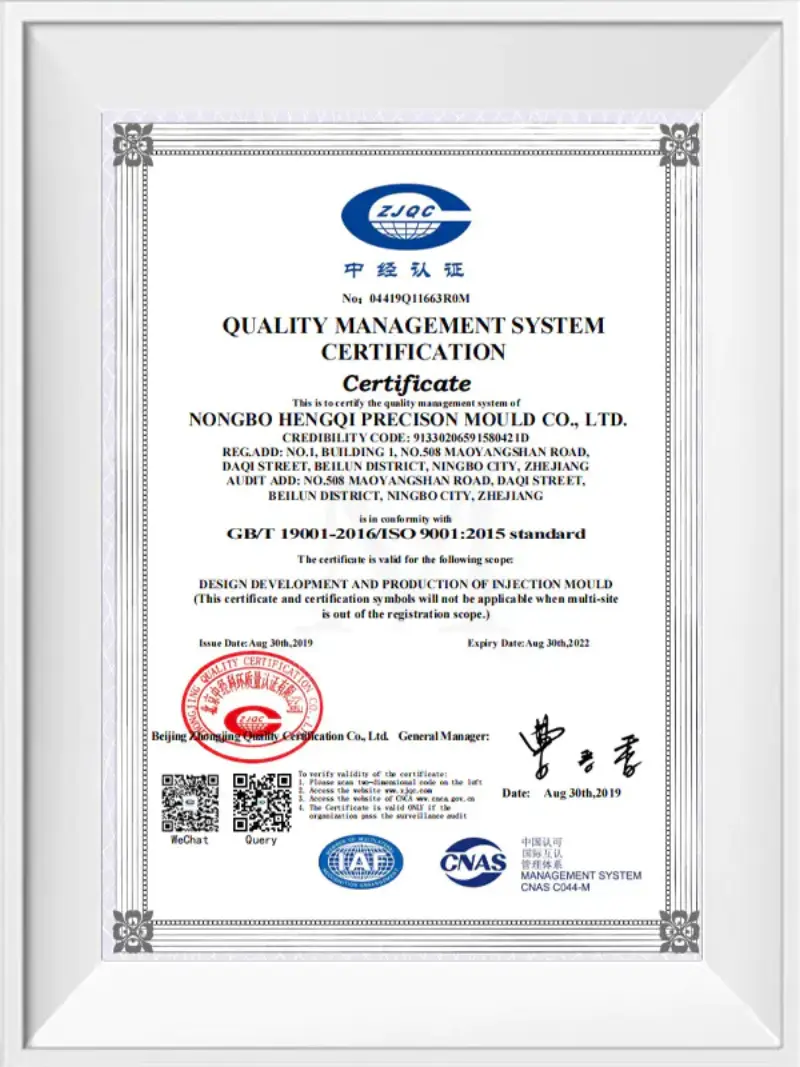
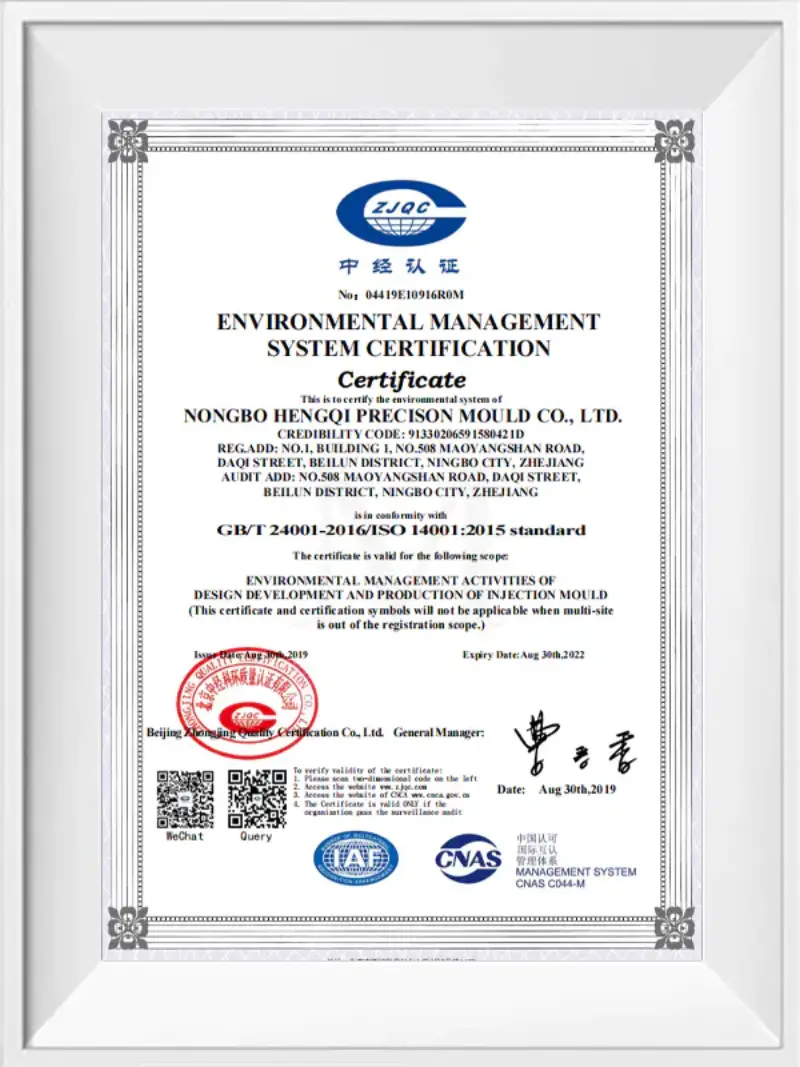
Ningbo Hengqi Precision Mould Co., Ltd. is professional China Plastic Injection Mould Manufacturers and custom Plastic Injection Mould factory, engaged in the development and manufacture of thin-wall packaging moulds. Our company has complete manufacturing equipment, scientific quality management system, rich practical experience in mould and hot runner production, combined with professional system design, using high-precision high-speed machining centers to achieve mold processing high standards. Hengqi Mould is in the leading position in the field of thin-wall injection molds in China. It produces thousands of sets of PP lunch boxes, cups and in-mold labeling system molds with a wall thickness of 0.35-0.45MM each year, which are supplied to the domestic market and exported to overseas. Hengqi Mould adheres to the spirit of continuous innovation and development of precision moulds.
In 2012, Hengqi Mould Factory was established.
In 2016, Hengqi Enterprise established Tianjin factory.
In 2017, Hengqi officially changed from individual to company.
In 2019, Hengqi established Chengdu branch and Betterfork cutlery department.
In 2024, Hengqi continues to expand international markets.