Thin-walled box packaging molds help make light containers that hold all kinds of regular products. They form plastic into boxes with thin sides that still hold up during normal carrying and shipping. The whole setup works to keep the walls even so the boxes can guard what is inside without extra heaviness. Lines turn to these molds when they want packaging that gives protection but uses less material day after day in the supply flow.
Building thin-walled box packaging molds needs close attention to shape so every batch comes out steady. Steel or aluminum makes the main body because those hold fine details even after many runs. Every bend and corner in the mold changes how the final box looks and holds once it gets filled and closed. Keeping wall thickness the same matters a lot since tiny shifts can make spots weak or cause bending when things cool.
Smoothness on the inside surface decides how clean the box comes out and how easily it drops free after shaping for store shelves.
Thin-walled container molds help in lots of areas where containers need to keep items safe while moving or sitting in storage. Food lines use them to shape holders that lock out dirt and keep things fresh longer. Electronics sides rely on the molds for tight covers that block knocks and dust from getting to delicate parts. Medical chains count on the molds for boxes that stay clean around tools and supplies.
Daily consumer stuff from care items to home goods turns the boxes into covers that protect in real use and look decent on shelves without added weight.
Precision sits right in the middle when making thin-wall box molds because even tiny mistakes show up big in the finished boxes. The mold has to hit exact sizes so the walls stay thin but still hold against normal pressure without cracking or giving way. Planning the design takes real care to get the plastic flowing smooth during fill and cooling right to stop flaws. Surface treatments on the mold add life to it and keep the boxes looking the same from one run to the next.
Without that tight hold the boxes can end up uneven in strength or look which messes up the line and piles on waste as things keep going.
Thin-walled setups from these molds use less raw stuff but still let the boxes take stacking and moving around. The boxes come out lighter so shipping feels easier through the whole distribution chain. Strength grows from smart shaping instead of thick walls which means they stay stiff enough to stack yet light for handling on shelves or in trucks. This way lines hit efficiency in making the boxes and in how they get used later while still giving the basic protection needed for different items.
New steps keep sharpening how thin-walled box packaging molds work in today' s setups. Fresh coatings fight wear better so the molds stay accurate longer before needing care. Automated pieces now help with setup and pushing parts out which makes the whole flow smoother and cuts down waiting time. Moves toward greener ways push looking at other base materials that ease the load on the environment from making to throwing away.
These changes let lines keep running steadier and adjust easier when calls come for lighter packaging that feels more responsible.
Keeping walls thin every time brings the same problems over and over that need watching close during runs. Plastic has to spread even into tight spots or else weak areas or air gaps show up and hurt the box strength. Cooling needs steady handling because fast shifts can twist things or make shrinkage uneven on the surfaces. Keeping the mold clean gets tougher since any buildup or small nick changes wall evenness fast in later batches.
Hitting the sweet spot between slim shape and solid performance means regular testing and tweaks to hold output steady as time goes on.
Thin-walled box packaging molds tie straight into daily supply and retail routines where containers just need to do their job quietly. The boxes end up carrying products from factories to stores and then into homes where they keep things safe until someone opens them. Light build cuts down on heavy lifting during loading and unloading while still giving enough stiffness for stacking in warehouses or on shelves.
Shape flexibility lets the same mold handle different product sizes with small tweaks so one type works across several lines. After many runs the steady work from these molds shows up in smoother flow and fewer damaged returns coming back.
Long-term value shows when thin-wall box molds keep giving steady output over long production stretches. Using less material per box builds real savings at bigger scales while the containers still meet protection needs. Regular maintenance on the molds stops surprise breakdowns that throw off delivery schedules. Being able to tweak designs for changing product demands keeps the molds useful as tastes move toward lighter and simpler packaging.
Paying attention to these points turns the molds into solid working assets instead of quick throwaway pieces in the packaging line.
Thin-walled box packaging molds slide into bigger patterns where industries chase efficiency in moving goods from make to buyer. Packaging acts as the initial shield for products during handling, so steady quality from the molds builds trust throughout the supply chain. Pushing for lighter boxes lines up with cutting transport weight and the resources that go with it. The molds also allow tweaks that help products catch the eye on busy shelves without needing heavy or fancy builds.
These links show how small choices in tooling spread out through distribution and retail steps and touch overall flow and cost handling.
Ongoing work with thin-wall box molds keeps fine-tuning them to fit shifting needs on packaging lines. The main push stays on holding wall strength while trying out more recycled stuff in the mix. Better watching during runs catches changes early so fixes keep everything even. The molds stay key to making containers that guard items well but stay easy for users who want simple opening and tossing away.
Slow steady gains in this area back packaging that handles real demands without extra weight or complication.
Thin-walled box packaging molds sit inside today' s packaging world as part of the push to build useful containers that work from filling all the way to the end user. Their skill at turning out slim but tough boxes meets calls for protection mixed with smart use of material and easier movement. Issues with evenness and lasting strength push small improvements that keep the approach fitting real shop floor conditions.
When put in place with care these molds help packaging systems run without hitches and give dependable results across all kinds of products. Noticing what they bring helps planning that cares about both how well things work and how practical they stay in regular supply chains. This view keeps the eye on how tooling picks back up wider aims for steady and flexible packaging setups.
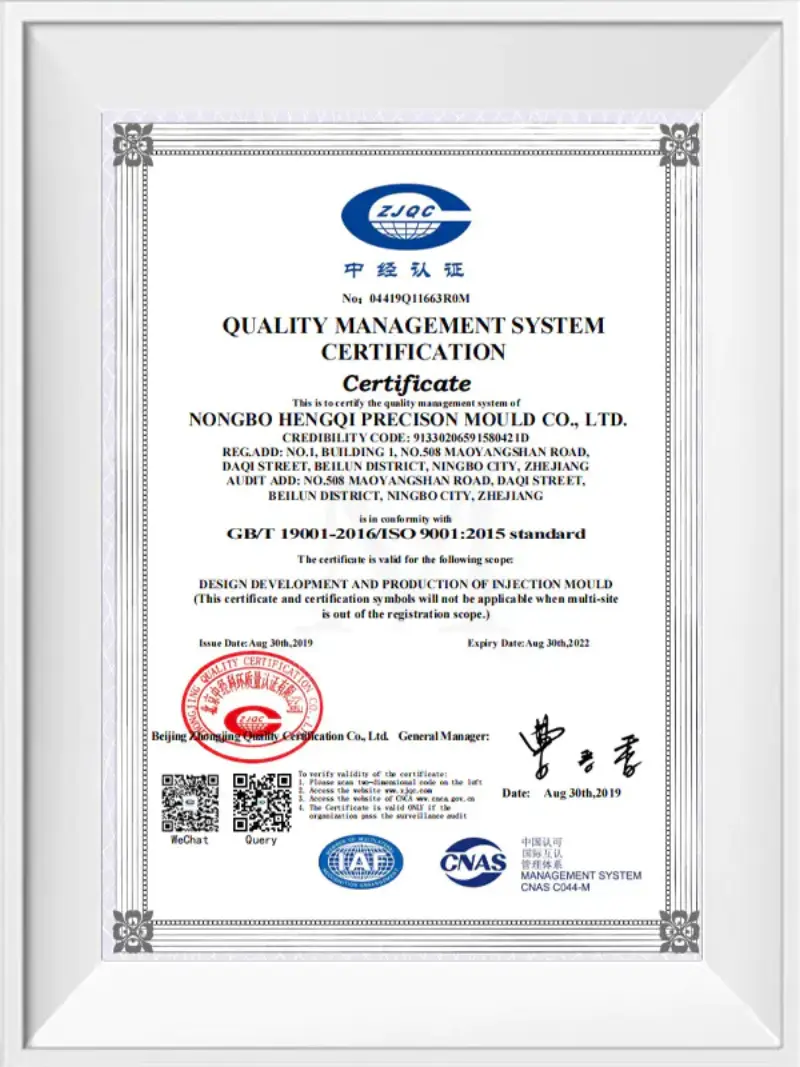
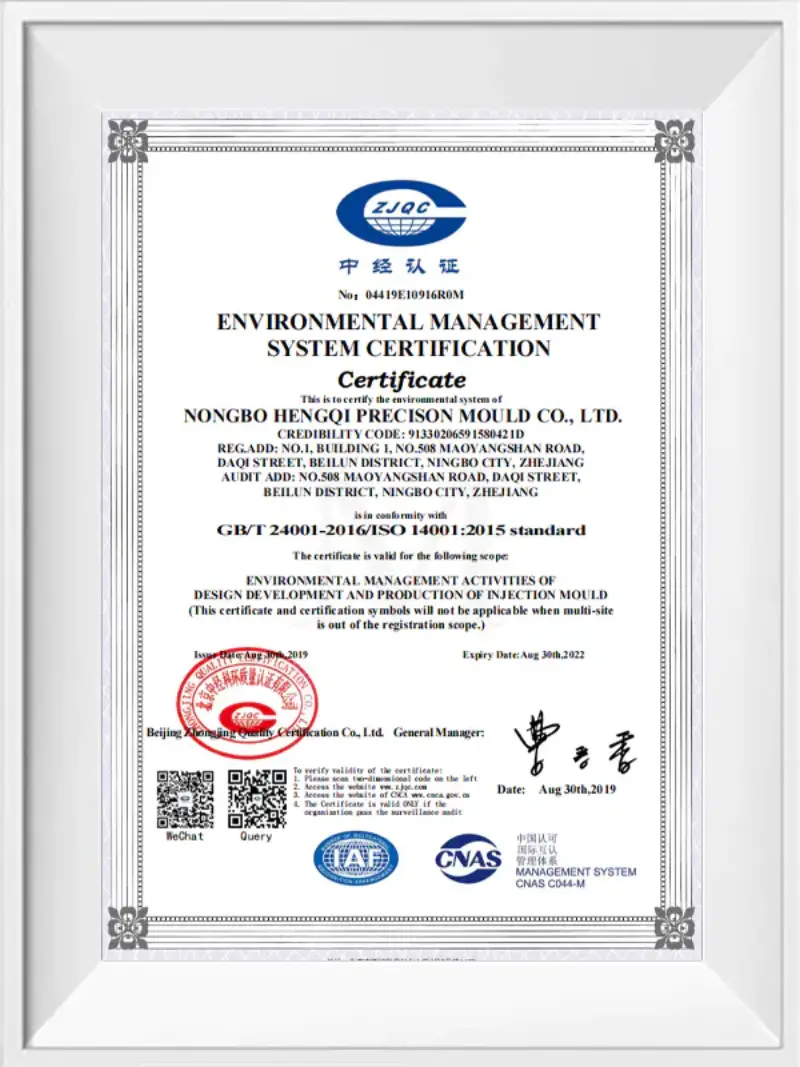
Ningbo Hengqi Precision Mould Co., Ltd. is professional China Plastic Injection Mould Manufacturers and custom Plastic Injection Mould factory, engaged in the development and manufacture of thin-wall packaging moulds. Our company has complete manufacturing equipment, scientific quality management system, rich practical experience in mould and hot runner production, combined with professional system design, using high-precision high-speed machining centers to achieve mold processing high standards. Hengqi Mould is in the leading position in the field of thin-wall injection molds in China. It produces thousands of sets of PP lunch boxes, cups and in-mold labeling system molds with a wall thickness of 0.35-0.45MM each year, which are supplied to the domestic market and exported to overseas. Hengqi Mould adheres to the spirit of continuous innovation and development of precision moulds.
In 2012, Hengqi Mould Factory was established.
In 2016, Hengqi Enterprise established Tianjin factory.
In 2017, Hengqi officially changed from individual to company.
In 2019, Hengqi established Chengdu branch and Betterfork cutlery department.
In 2024, Hengqi continues to expand international markets.