In the relentless pursuit of lighter, stronger, and more sustainable plastic products, a specialized manufacturing discipline has risen to prominence: thin wall plastic mould technology. This advanced sector is dedicated to producing plastic parts with wall thicknesses that often measure less than 1 millimeter, pushing the boundaries of injection molding. The core of thin wall plastic mould development is a complex interplay of bad process parameters, specialized materials, and innovative tooling, all aimed at achieving unparalleled production speed and material efficiency, which can reduce plastic use by a significant percentage compared to conventional parts.
The thin wall plastic mould process is defined by its exceptionally demanding parameters, designed to fill a cavity before the plastic solidifies. Injection speeds are critical, with molten polymer often forced into the mould at velocities exceeding 1,000 millimeters per second to ensure complete cavity fill. This necessitates extraordinarily high injection pressures, routinely surpassing 2,000 bar (29,000 psi) to overcome the rapid cooling and increased flow resistance of the thin channels.
Cooling system design within the thin wall plastic mould is equally paramount; optimized networks of channels ensure uniform heat extraction to less cycle times—which can be under 6 seconds—and prevent part warpage. The entire sequence, from clamp close to part ejection, is a precisely orchestrated high-speed event where consistency is key to producing millions of identical components like food containers or tech housings.
Success in this field is impossible without polymers engineered for high flow and fast crystallization. The materials used in thin wall plastic mould applications are formulated with specific melt flow rates (MFR). For polypropylene (PP)—a staple for food packaging—MFR values can range from 40 to over 80 g/10 min under standard test conditions, enabling it to race through ultra-thin sections. High-flow grades of polystyrene (PS) and specially compounded resins for recycled PET (rPET) are also prevalent.
These materials must maintain structural integrity and meet necessary food-contact or impact-resistance standards despite the small wall thickness. The shift toward circular economies is driving material innovation, with thin wall plastic moulds now being adapted to process post-consumer recycled content reliably, a technical challenge due to the variability in recycled polymer flow and thermal properties.
The applications for thin wall plastic mould technology are vast and growing, fundamentally enabled by the weight and cost savings it delivers. The packaging industry is the largest adopter, using it to produce everything from lightweight yogurt cups and deli containers with walls as thin as 0.35 millimeters to clamshells and bottle preforms. In consumer electronics, the technology allows for sleek, rigid housings for devices like routers and external hard drives, reducing weight without sacrificing durability or aesthetics.
The automotive sector utilizes thin wall plastic mould techniques for interior components like glove box doors and instrument panel substrates, contributing directly to vehicle lightweighting goals. Furthermore, advances like In-Mould Labelling (IML) are fully integrated with thin wall plastic moulds, allowing for durable, ready-to-sell packaged goods to exit the mould in a single, efficient step.
The future of thin wall plastic mould technology is focused on intelligence and sustainability. The integration of sensors directly into moulds for real-time pressure and temperature monitoring allows for predictive quality control. As global regulations push for reduced plastic consumption and higher recycled content, the role of the thin wall plastic mould will only become more critical, serving as the essential tool for creating the next generation of high-performance, resource-efficient plastic products.
For producing large, square containers, the 2CAV 2000ml square container mould from Ningbo Hengqi Precision Mould Co., Ltd. is a specialized tool. Designed to create two identical 2000ml (2-liter) square plastic containers per molding cycle, it balances efficient output with manageable capital investment. This mold is ideal for manufacturers of industrial storage bins, chemical containers, or large food packaging that requires a sturdy, stackable design.
It ensures consistent wall thickness and dimensional accuracy for product reliability. Built with robust construction for durability, this mold is a practical choice for medium-scale production runs of sizable square containers.
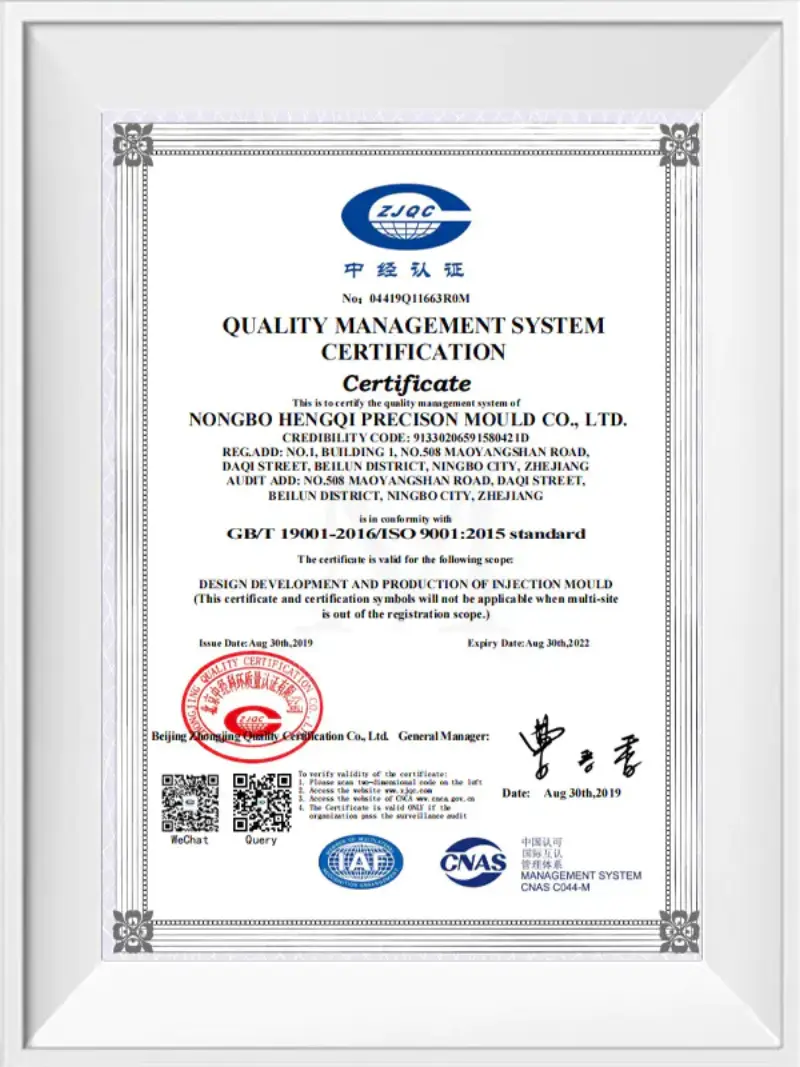
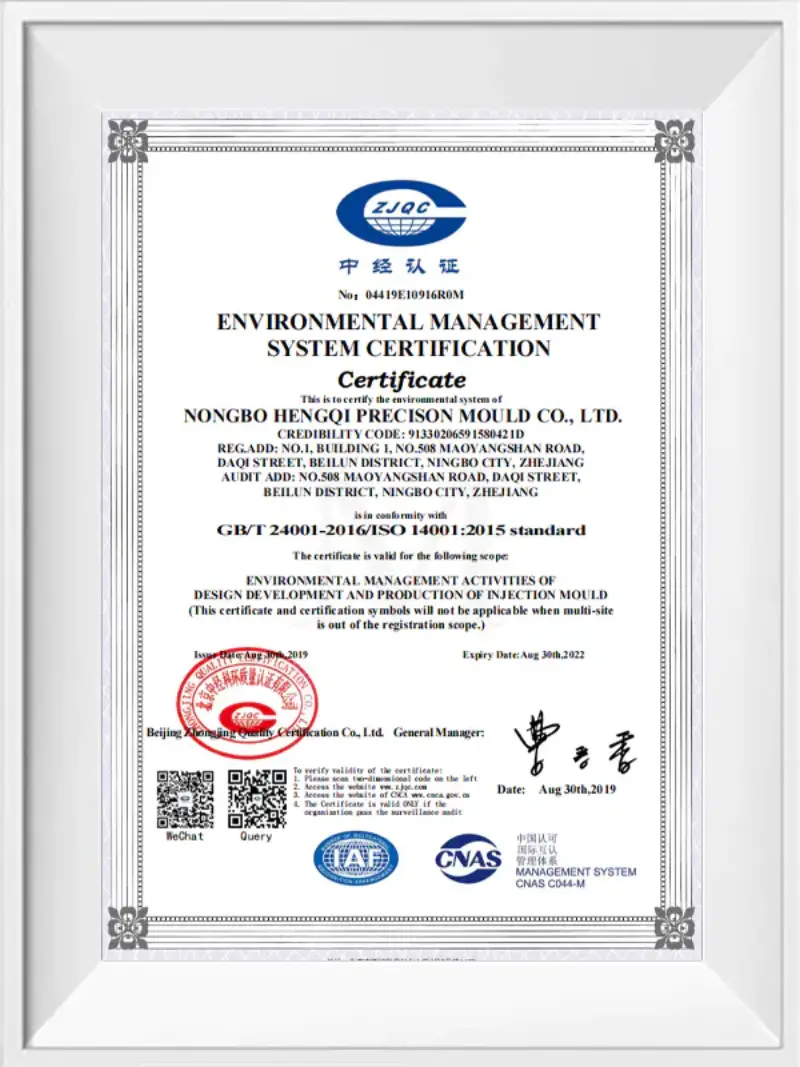
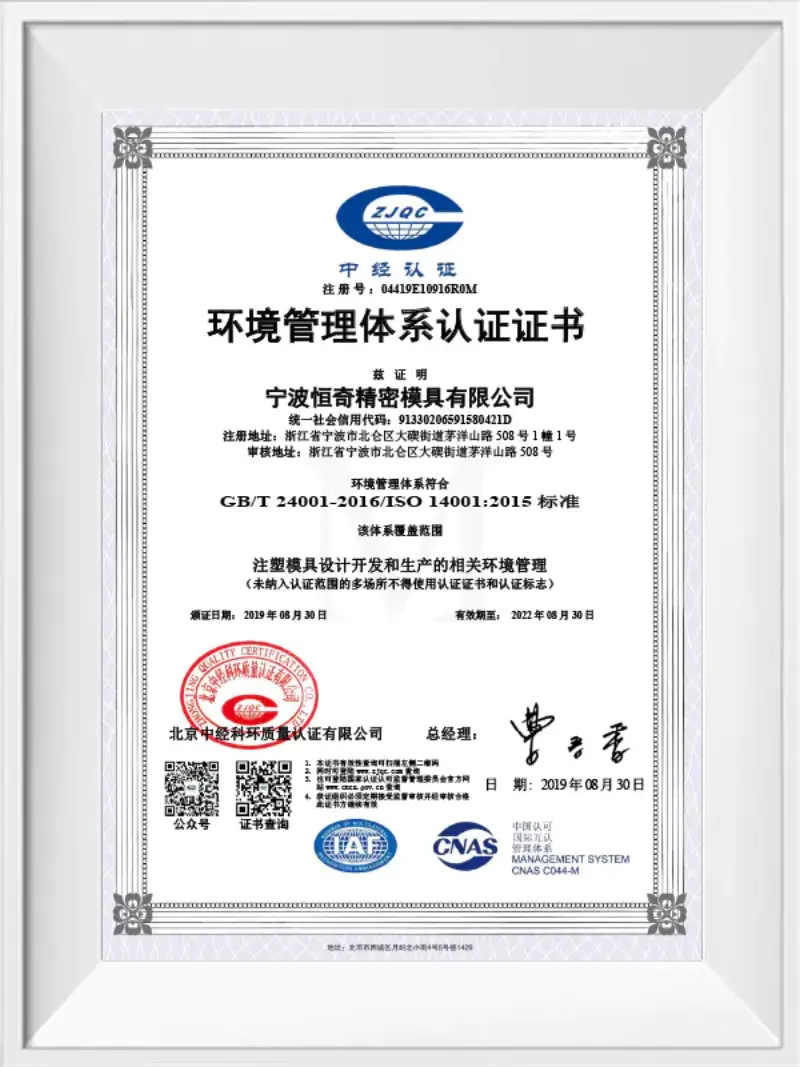
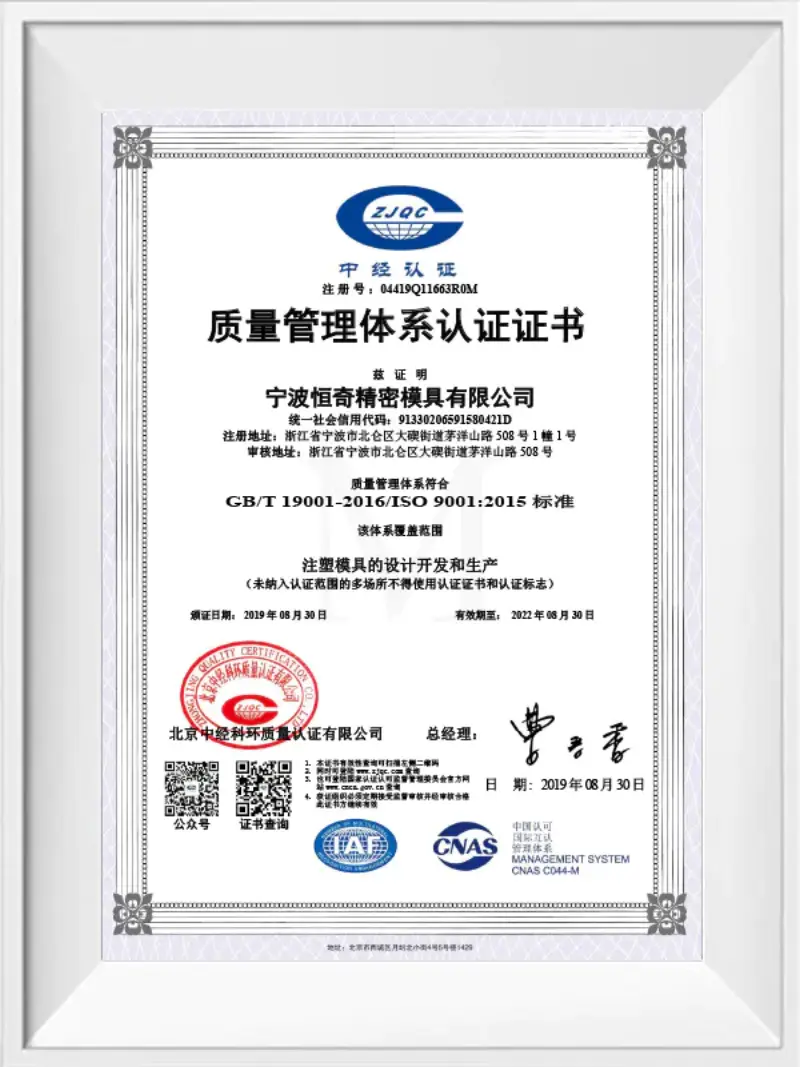
Ningbo Hengqi Precision Mould Co., Ltd. is professional China Plastic Injection Mould Manufacturers and custom Plastic Injection Mould factory, engaged in the development and manufacture of thin-wall packaging moulds. Our company has complete manufacturing equipment, scientific quality management system, rich practical experience in mould and hot runner production, combined with professional system design, using high-precision high-speed machining centers to achieve mold processing high standards. Hengqi Mould is in the leading position in the field of thin-wall injection molds in China. It produces thousands of sets of PP lunch boxes, cups and in-mold labeling system molds with a wall thickness of 0.35-0.45MM each year, which are supplied to the domestic market and exported to overseas. Hengqi Mould adheres to the spirit of continuous innovation and development of precision moulds.
In 2012, Hengqi Mould Factory was established.
In 2016, Hengqi Enterprise established Tianjin factory.
In 2017, Hengqi officially changed from individual to company.
In 2019, Hengqi established Chengdu branch and Betterfork cutlery department.
In 2024, Hengqi continues to expand international markets.