In the manufacturing industry, efficiency, precision, and cost-effectiveness are key drivers of success. One of the foundational tools that make high-volume, high-accuracy production possible is the box mould. This specialized moulding device is essential in the production of plastic, metal, or composite containers used across various industries such as packaging, logistics, electronics, and food storage.
A box mould is a customized mould tool designed to shape raw materials into specific box-like forms. These moulds are typically used in injection moulding machines or die casting processes to produce consistent and repeatable products. Whether the goal is to make a small plastic storage box or a durable metal container, the box mould serves as the framework for shaping and finishing.
One of the primary advantages of using a box mould is its ability to produce identical boxes with minimal variation. In large-scale production, maintaining uniformity is critical for quality control and brand reliability. A well-designed box mould ensures each box meets the exact size, shape, and surface requirements without the need for extensive post-processing.
Customization is another major benefit of the box mould. Manufacturers can tailor the mould to specific product requirements—such as adding ventilation holes, textured surfaces, or snap-lock features. This makes the box mould highly versatile, suitable for creating products ranging from electronics packaging to household storage solutions.
Material selection plays a significant role in the effectiveness of a box mould. Common materials used for the mould itself include hardened steel or aluminum, which offer good durability and heat resistance. For the end products, thermoplastics like polypropylene or polyethylene are often used due to their moldability and strength. A well-matched combination of mould and material ensures the box mould delivers optimum performance and longevity.
The design phase of a box mould involves detailed computer-aided design (CAD) modeling, thermal analysis, and sometimes finite element simulation. These tools allow engineers to test how the mould will behave under heat and pressure before actual production begins. A properly engineered box mould helps minimize defects like warping, shrinkage, or incomplete filling during the moulding process.
Maintenance is crucial to the long-term efficiency of any box mould. Regular cleaning, lubrication, and inspection prevent wear and tear that could affect the quality of the products. Even small damages or misalignments can pilot to production downtime or defective items, so manufacturers prioritize the care of every box mould in operation.
In addition to technical advantages, the box mould contributes to environmental sustainability. Since it enables mass production with minimal material waste, it supports more eco-friendly manufacturing practices. Some advanced box mould systems even integrate recycled materials, aligning with the growing demand for greener production solutions.
Furthermore, industries that rely on standardized packaging—such as e-commerce, food delivery, and medical supplies—benefit enormously from the repeatability and cost-efficiency of a box mould. By streamlining the production of packaging boxes, these industries can scale operations without compromising quality or increasing overhead costs.
As automation advances, the integration of robotics and sensor technology with box mould systems is becoming more common. These smart systems help monitor mould temperatures, cycle times, and product ejection, ensuring the box mould operates at peak performance with minimal human intervention.
The box mould is a vital component in today’s manufacturing world. It provides precision, flexibility, and scalability for the production of a wide range of container products. As technology evolves, the role of the box mould continues to expand, pushing the boundaries of what manufacturers can achieve in speed, quality, and efficiency.
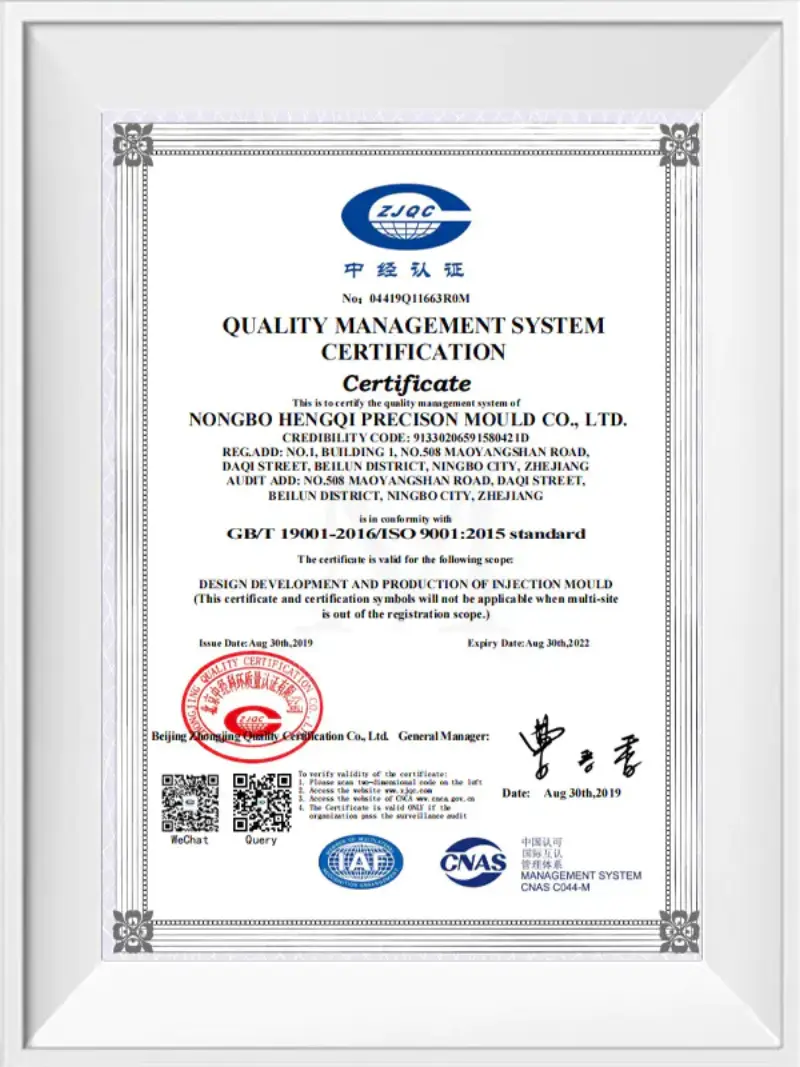
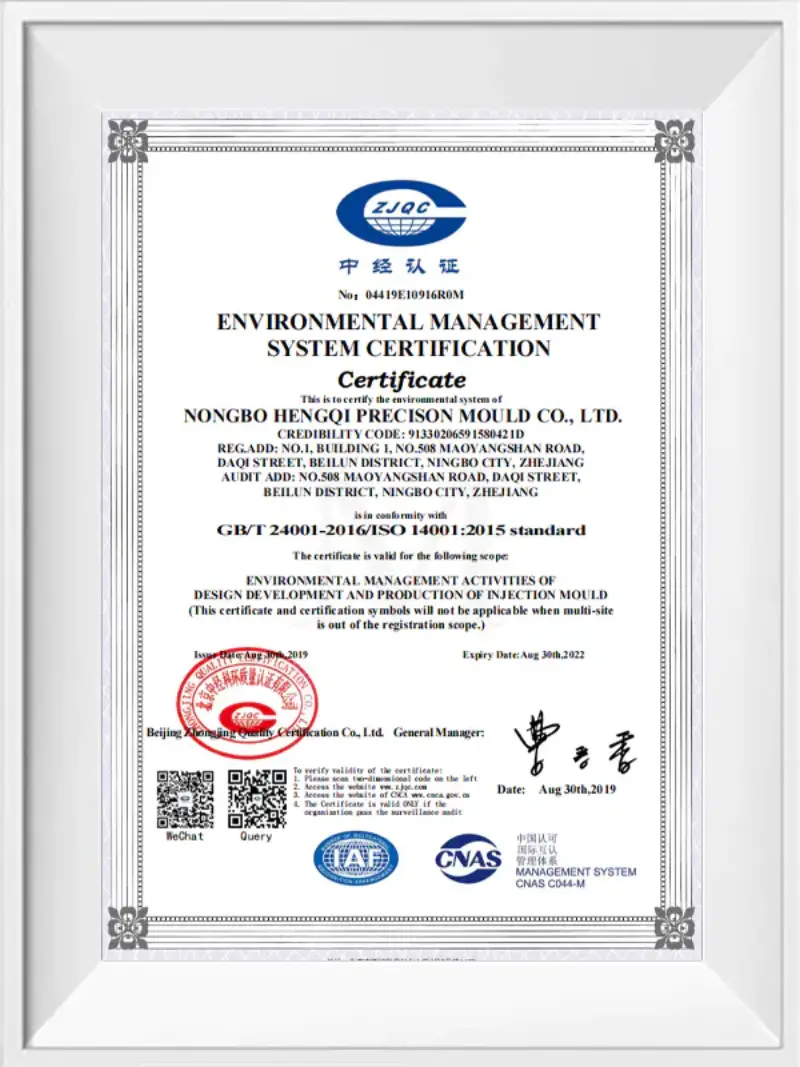
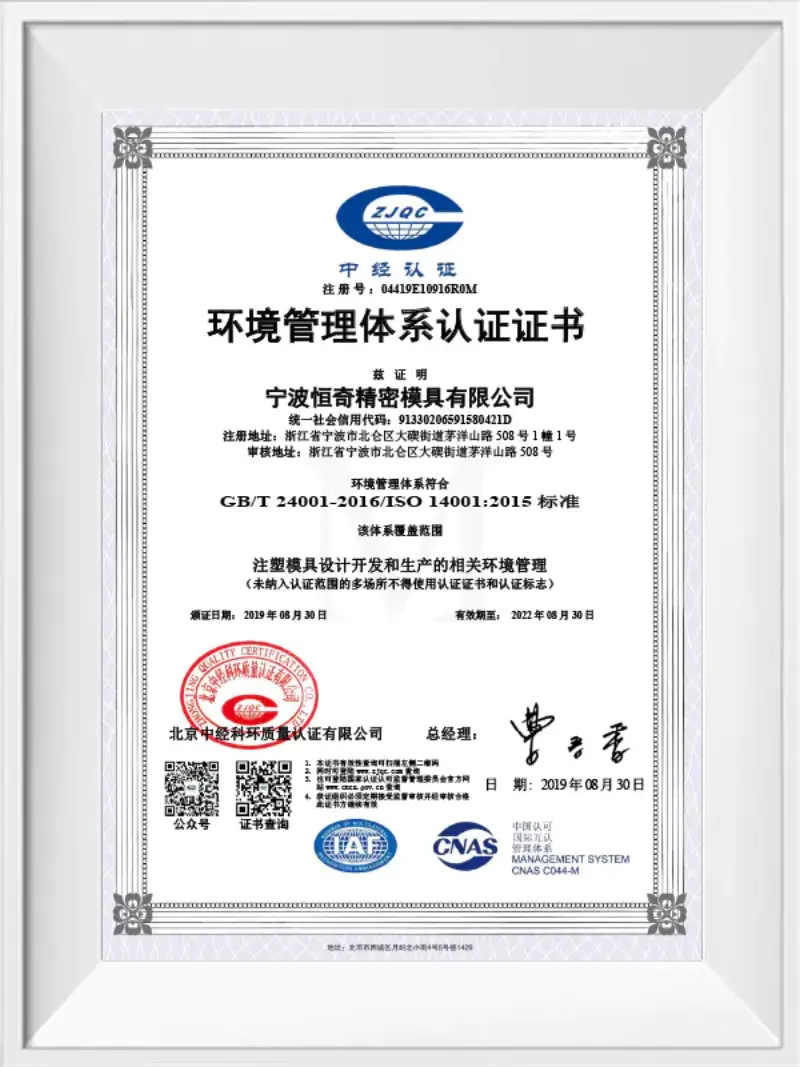
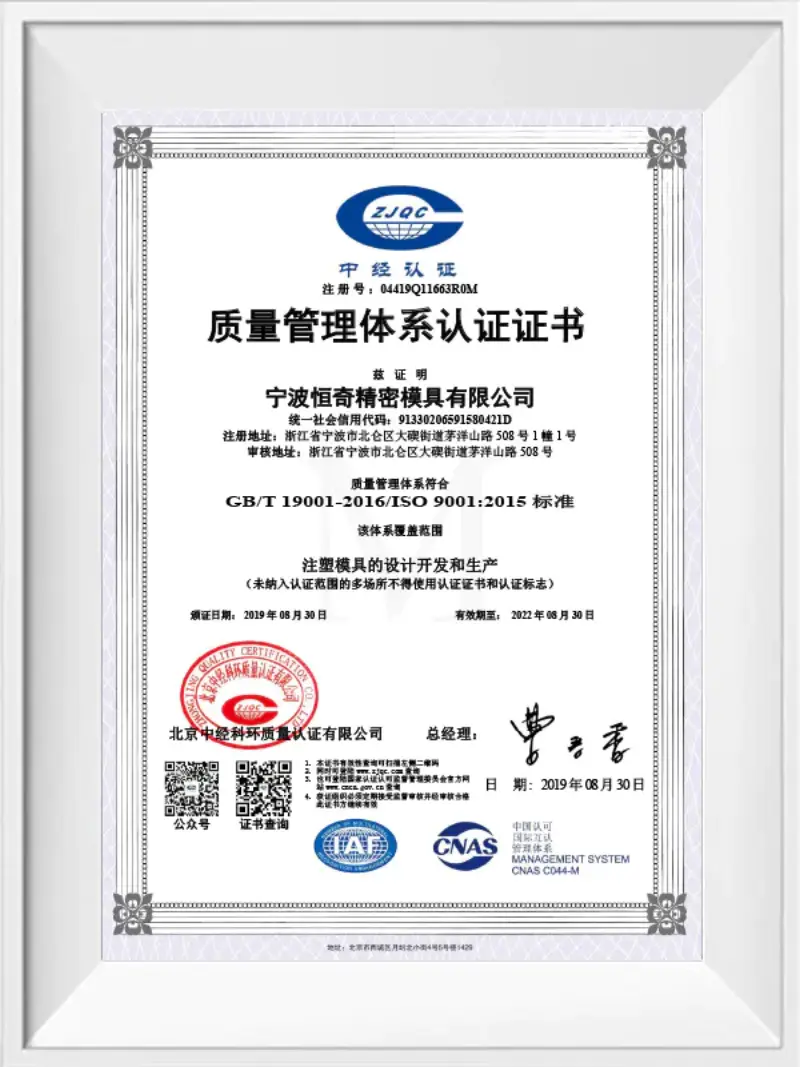
Ningbo Hengqi Precision Mould Co., Ltd. is professional China Plastic Injection Mould Manufacturers and custom Plastic Injection Mould factory, engaged in the development and manufacture of thin-wall packaging moulds. Our company has complete manufacturing equipment, scientific quality management system, rich practical experience in mould and hot runner production, combined with professional system design, using high-precision high-speed machining centers to achieve mold processing high standards. Hengqi Mould is in the leading position in the field of thin-wall injection molds in China. It produces thousands of sets of PP lunch boxes, cups and in-mold labeling system molds with a wall thickness of 0.35-0.45MM each year, which are supplied to the domestic market and exported to overseas. Hengqi Mould adheres to the spirit of continuous innovation and development of precision moulds.
In 2012, Hengqi Mould Factory was established.
In 2016, Hengqi Enterprise established Tianjin factory.
In 2017, Hengqi officially changed from individual to company.
In 2019, Hengqi established Chengdu branch and Betterfork cutlery department.
In 2024, Hengqi continues to expand international markets.