In quite a few production environments these days, people have started paying closer attention to different ways of forming containers while keeping the total amount of material down. The change seems tied to the way resources feel more limited now and how the idea of handling things in a more balanced manner with the surroundings has picked up. Thin wall container mould development stands out in this because containers show up everywhere in ordinary packaging tasks.
Changes made to the moulds try to keep output running smoothly and make sure the pieces that come out can deal with the usual pressures they face when getting filled, moved around, or stored away. The whole effort means taking a careful look at the way shapes form and seeing how little tweaks here and there can create real differences in how much material gets used without giving up on the basic performance that matters.
The drive to come up with container versions that sit lighter starts from wanting to take some pressure off resources right from the steps of shaping all the way through to when the goods actually move from place to place. Once the finished containers end up weighing less, the load on transport arrangements tends to lighten up as well, which helps keep energy use more even along the different links in the chain.
People who end up with the packaging often like it when the items feel simpler to handle in normal day-to-day settings, whether that is around the house or in bigger commercial spaces. That kind of preference pushes for regular checks on how the mould setups are put together so they match up with what feels expected. In a wider sense the advantage shows up in making the movement from early production through to the final handing over run more smoothly, since each part gains something from placing the material carefully enough to skip anything extra while still holding onto the reliability that is needed for the job.
Across time these kinds of thoughts have led to gradual improvements in the way moulds are brought together so they can keep up with shifts happening in the market around them.
Decisions about which substances to use sit right in the middle when the goal is to end up with container shapes that do not feel heavy when picked up. Back in earlier times some polymer choices stood out because they moved nicely when being shaped and had a kind of moderate density that helped things come out steady during large runs of production. Once knowledge grew deeper the focus shifted toward mixes that bring together lower density levels with performance that fits the kinds of demands containers usually face in regular use.
Bases that come in layers or draw from plant sources sometimes come into play, creating openings for cutting down on volume while still covering what is needed for the items to hold up during storage and handling. The checking process spends time watching how the materials act when temperatures or pressures change around them, making certain that what finally comes out stays dependable whether the containers sit stacked up in storage areas or get carried around in ordinary situations.
The ongoing fine-tuning in how these selections happen keeps feeding into the larger aim of bringing resource use into line with what actually works well once the containers reach real settings.
Work on improving the moulds quite often turns toward the pathways that direct how the substance moves while the filling step takes place. Setups that help the material spread out evenly and keep temperatures steady make it easier for lighter substances to settle without leaving patchy areas on the surface. These kinds of arrangements help thickness stay fairly even even when the overall amount of substance goes down.
That even quality backs up the steadiness of the structure by cutting back on spots where stress might gather and eventually affect how well the shape holds over time. Tweaks to the pathways can also ease off some of the pressure that builds while cooling happens, which tends to let the production runs move forward with fewer stops along the way. What comes from paying attention to these flow details often feels more reliable and lines up nicely with the thinking behind keeping material use careful through many repeated cycles.
Tools that work through digital means now help with looking over possible layouts well before any physical trials start. When modeling gets paired with checks on stress patterns it becomes possible to notice areas where the placement of substance could shift so that the main load-carrying parts get addressed more straight on. The process backs up choices to pull back in places that do not see as much demand, which leads to overall setups that spread resources out with a better sense of balance.
Going over different arrangement choices several times helps pick out routes that feel reasonable in terms of how material gets used while still reaching the levels of function that are required. The approach brings out small chances for change that make load handling better without piling on extra complications to the shaping steps. Across repeated rounds of review these analytical parts help steer the forms toward staying in line with directions that put weight on having less material around.
People have noticed certain efficient structures out in the world around us and started bringing some of those ideas into the way containers are shaped. Designs that feature open spaces or layered sections sometimes appear in newer mould work, offering ways to spread out forces over wider areas without using as much material in total. These kinds of setups can help the containers resist pressures that come up when things get stacked or shifted during transport, so the overall form holds steady under the usual conditions found in supply chains.
Adjusting patterns like these to fit the right size takes careful thought to make sure they match the scale and actual needs that come with thin wall applications. Once the inspired elements are added with proper attention, the resulting shapes tend to keep working well over time without relying on extra material just to maintain strength. All of this reflects a wider tendency to look at efficiencies already present in nature when figuring out practical improvements for industrial processes.
The capacity to carry out intricate mould designs has expanded with equipment suited to precise operations carried out at quicker paces. Methods that allow rapid formation of test versions speed the move from concept sketches to tangible samples ready for evaluation. In situations calling for limited runs or initial concept checks, additive layering techniques offer room to adjust features before full commitment to larger scales.
These approaches allow close oversight of substance placement, supporting the avoidance of unneeded additions during early stages. The net result often includes shorter intervals for confirming that a layout meets essential performance markers, which in turn keeps development efforts centered on efficient substance application from start to finish.
Any movement toward lighter container forms gains from keeping the later stages of use in view. Substances chosen with repeated processing in mind help create loops where materials return to productive roles instead of requiring steady new inputs. Mould layouts that simplify component separation can reduce effort needed when moving items into recovery streams, smoothing the transition from end-of-service back to renewed application.
This outlook encourages early inclusion of features that account for the entire duration of a container' s presence, spanning shaping, distribution, everyday handling, and eventual re-entry into material cycles. Embedding such thoughts at the outset supports a feeling of ongoing resource continuity that reaches well past the initial production environment.
Over time, connected systems in the workshop have started giving mould makers better ways to watch what' s happening during the entire shaping process. These setups can track how things are going moment by moment and make little tweaks here and there whenever the material starts acting slightly different than expected. That quick reaction usually stops small differences from growing into bigger problems that would mean throwing away more parts than necessary, so material ends up being used in a much steadier way.
When the goal is to keep things light and there isn' t much extra substance to work with, having this kind of coordination really helps keep the quality steady from one batch to the next. Putting these features into the mould operation basically creates a way of working that can roll with changes in the raw material more easily and keeps waste from creeping up, even when the production runs aren' t exactly the same every time.
Material Considerations Attention to density profiles and flow behavior during shaping Assists in volume adjustments while addressing durability in typical conditions
Flow Pathway Management Arrangements promoting uniform spread and temperature balance Contributes to consistent thickness and reduced internal variations
Structural Review Methods Modeling of load patterns and placement options Guides selective scaling back in lower-demand zones for overall balance
Pattern Influences Incorporation of open or layered frameworks drawn from observed efficiencies Supports force distribution through arrangement rather than added volume
Recovery Alignment Features that ease later separation and reprocessing Encourages continuity from production through extended material use
Operation Coordination Real-time condition tracking with minor adaptive corrections Helps sustain quality when operating with narrower substance margins
The path observed in thin wall container mould approaches shows a field responding to combined influences of resource awareness and service expectations. Sustained focus across material traits, structural layouts, production methods, and recovery pathways has supported refinements that allow lighter forms while maintaining utility in common applications. Analytical techniques, elements drawn from natural efficiencies, and responsive operations together provide a base for ongoing advancement that carries practical weight.
As these elements gain depth, they contribute to settings where material decisions reflect greater care and functional outcomes align with typical requirements. Future steps will likely involve deeper examination of how different aspects coordinate, encouraging refinements that address present conditions with measured attention to resource engagement throughout container development and service cycles.
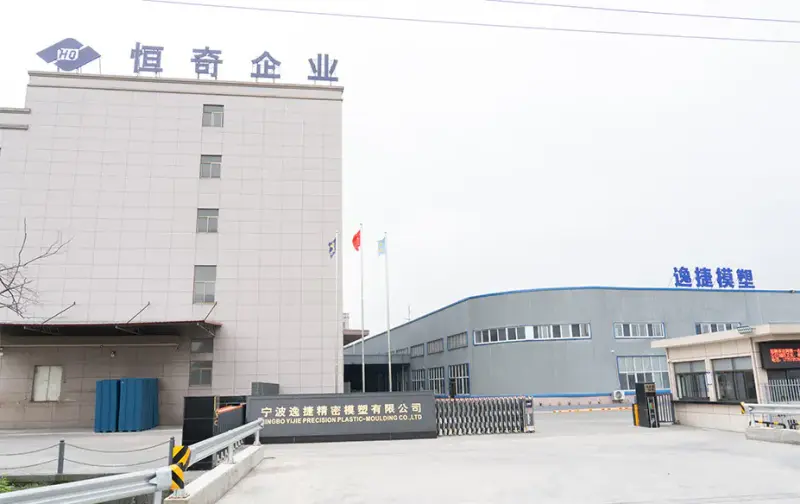
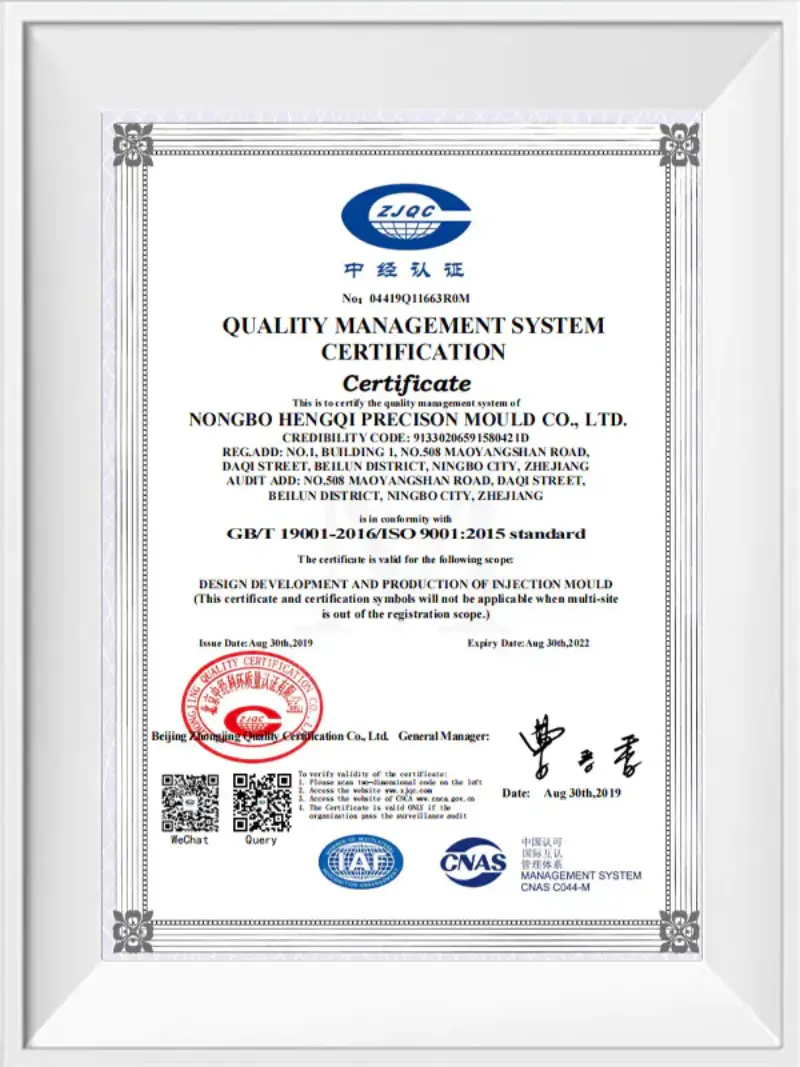
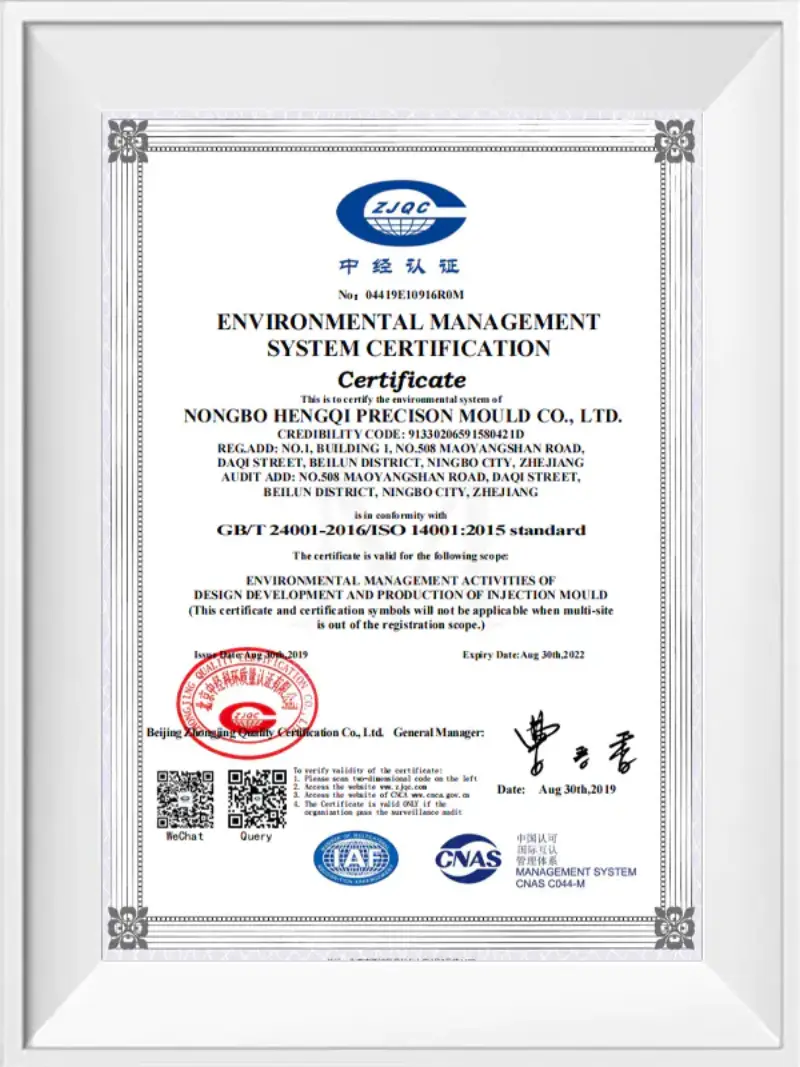
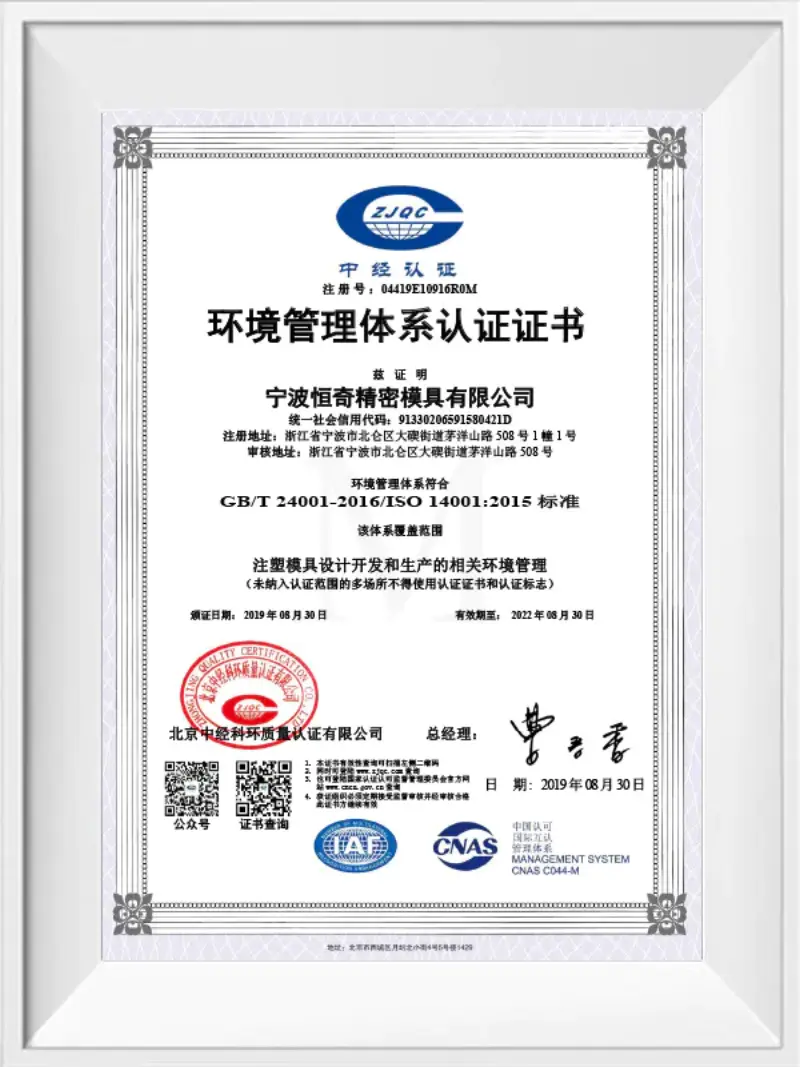
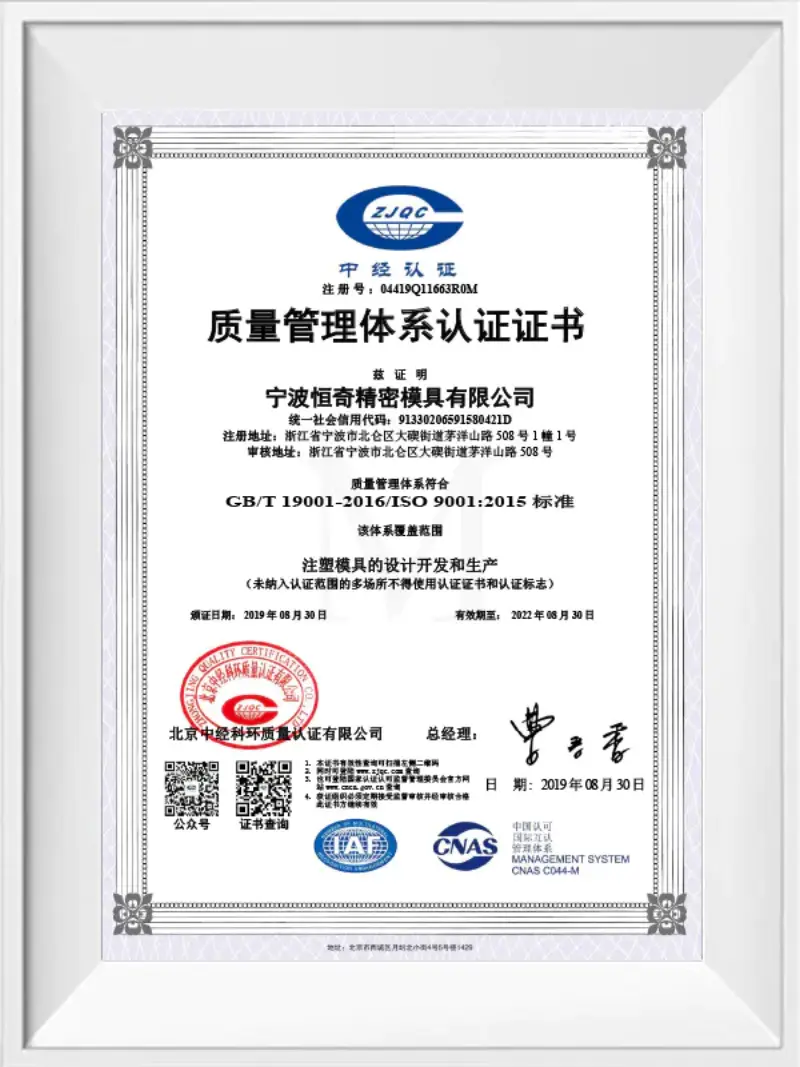
Ningbo Hengqi Precision Mould Co., Ltd. is professional China Plastic Injection Mould Manufacturers and custom Plastic Injection Mould factory, engaged in the development and manufacture of thin-wall packaging moulds. Our company has complete manufacturing equipment, scientific quality management system, rich practical experience in mould and hot runner production, combined with professional system design, using high-precision high-speed machining centers to achieve mold processing high standards. Hengqi Mould is in the leading position in the field of thin-wall injection molds in China. It produces thousands of sets of PP lunch boxes, cups and in-mold labeling system molds with a wall thickness of 0.35-0.45MM each year, which are supplied to the domestic market and exported to overseas. Hengqi Mould adheres to the spirit of continuous innovation and development of precision moulds.
In 2012, Hengqi Mould Factory was established.
In 2016, Hengqi Enterprise established Tianjin factory.
In 2017, Hengqi officially changed from individual to company.
In 2019, Hengqi established Chengdu branch and Betterfork cutlery department.
In 2024, Hengqi continues to expand international markets.