The global dairy packaging industry is undergoing a significant transformation, with innovation in the Yogurt cup Injection mould at its core. As consumer demand for convenience and environmental responsibility grows, and regulatory pressures increase, the technology behind producing billions of yogurt cups annually is advancing rapidly. Modern Yogurt cup Injection mould development is focused on achieving exceptional production efficiency, enabling the use of sustainable materials, and creating packages with enhanced aesthetic and functional value, redefining the possibilities of single-serve packaging.
The pursuit of higher output and lower unit cost is revolutionizing Yogurt cup Injection mould design. The industry standard is shifting towards high-cavitation moulds, where a single tool may feature 64, 96, or even 144 cavities, multiplying output per machine cycle. This is coupled with sophisticated hot runner systems that precisely control material flow to each cavity, reducing plastic waste and energy consumption.
To further boost productivity, stack mould technology is being employed, effectively doubling the number of cavities within the same machine footprint. These advancements allow for incredibly fast cycle times, with some systems capable of producing a finished cup in approximately 6 to 8 seconds. This engineering focus directly translates to the production of thousands of cups per hour, meeting the massive scale of global dairy demand while optimizing manufacturing economics.
Perhaps the many critical area of innovation is in adapting Yogurt cup Injection moulds for next-generation materials. The industry is moving beyond traditional virgin plastics to meet recycling and circular economy goals. Moulds are now specifically engineered to process post-consumer recycled (PCR) polypropylene with consistent quality, a key step in reducing reliance on new fossil-based feedstocks.
A pilot frontier is the processing of recycled PET (rPET) for yogurt cups. This requires precise thermal control within the mould to handle rPET's different crystallization behavior, enabling the production of clear, strong cups that can contain a high percentage of recycled content. Furthermore, moulds are being developed to accommodate new bio-based polymers. These innovations allow brands to launch products in packaging that aligns with stringent regulatory targets, such as the European Union's goal for all plastic packaging to contain significant recycled content by 2030.
Decorative and branding capabilities are being fundamentally enhanced through mould-integrated technologies. In-Mould Labelling (IML) has become a benchmark, where a pre-printed plastic label is placed into the Yogurt cup Injection mould and fused with the cup wall during injection. This creates a durable, high-graphics finish that is resistant to scuffing and moisture, offering full 360-degree decoration for standout shelf appeal.
Beyond decoration, moulds enable greater physical customization. Brands can now more readily develop unique cup shapes, ergonomic textures for improved grip, and integrated spoon or lid attachment features directly through mould design. This allows for greater product differentiation in a competitive market without compromising the high-speed, automated production line.
The evolution of the Yogurt cup Injection mould exemplifies how industrial engineering is responding to complex market demands. By integrating advanced design, material science, and smart technology, these moulds are no longer just tools for formation; they are enabling platforms for sustainable, efficient, and branded packaging solutions that will define the future of the food industry. The continued innovation in this field is essential for creating a circular lifecycle for plastic packaging, from efficient production to effective recovery and reuse.
For high-efficiency production of threaded caps, consider the 8CAV cap with screw mould from Ningbo Hengqi Precision Mould Co., Ltd. This precision-engineered mold produces eight identical screw-on caps per injection cycle, big output and small unit costs. It is ideally suited for manufacturing caps for bottles, containers, or dispensers in industries such as cosmetics, chemicals, or food packaging.
The mold ensures consistent thread accuracy and dimensional stability for reliable sealing performance. Built with durable tool steel for extended service life, it is designed to deliver reliable, high-volume production, making it an outstanding choice for manufacturers aiming to scale their operations.
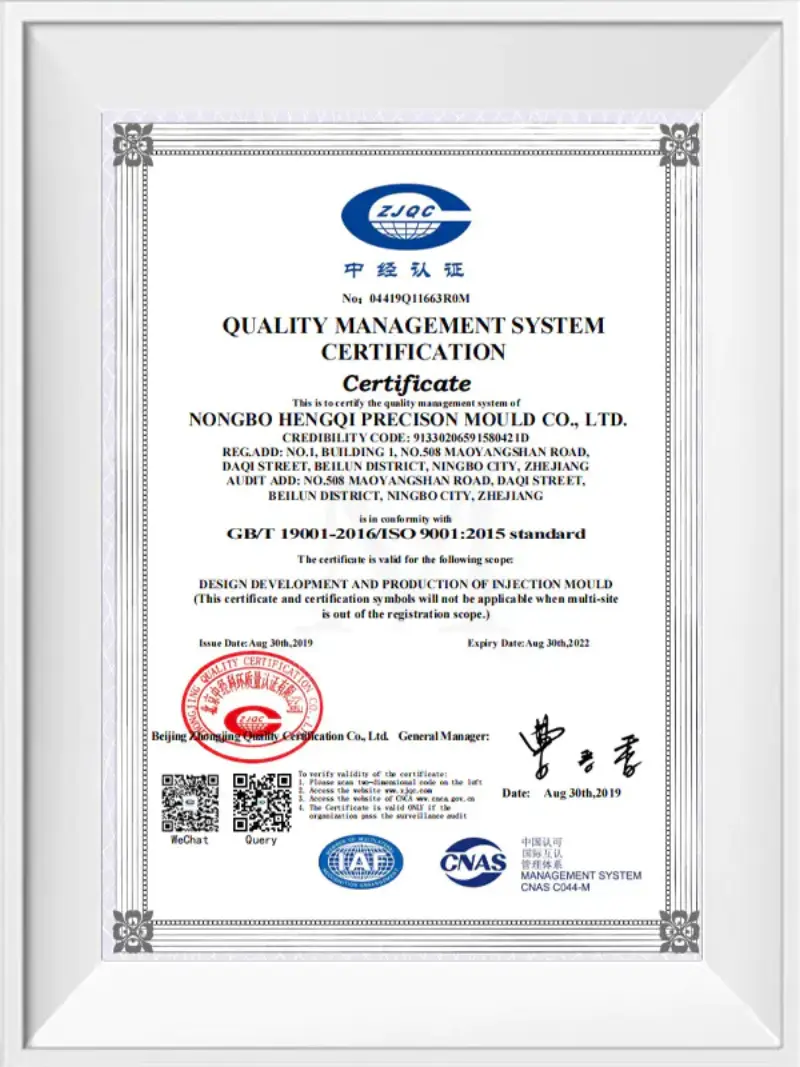
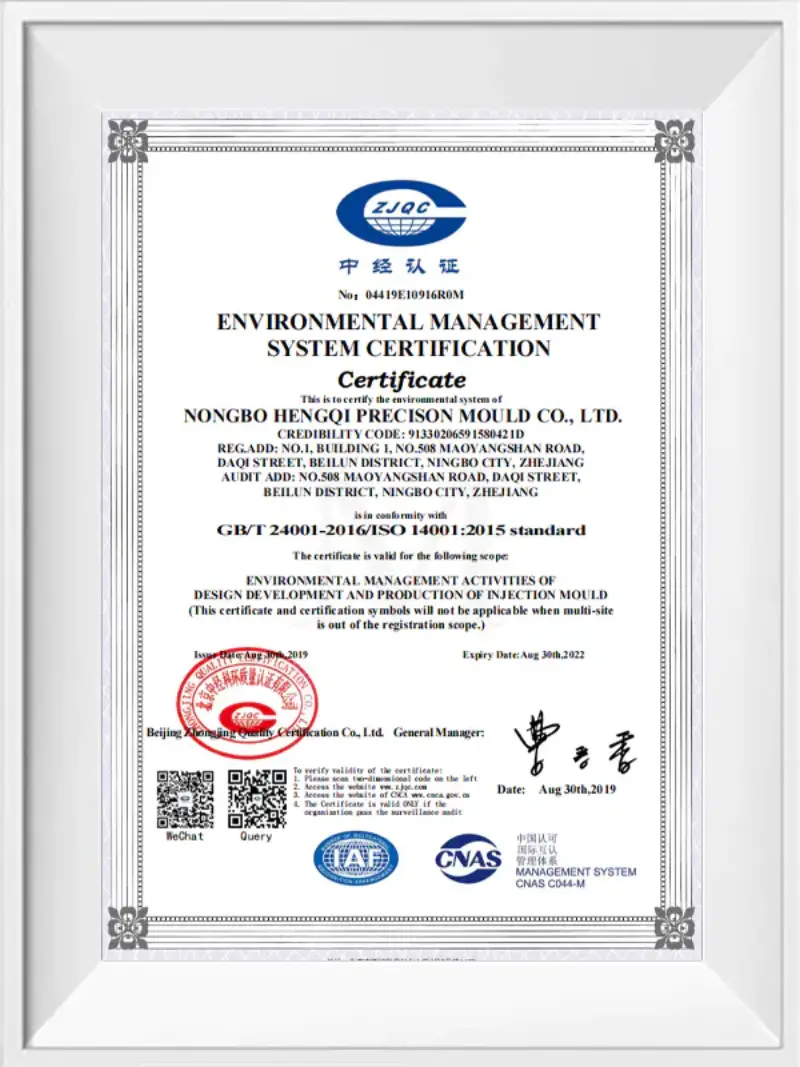
Ningbo Hengqi Precision Mould Co., Ltd. is professional China Plastic Injection Mould Manufacturers and custom Plastic Injection Mould factory, engaged in the development and manufacture of thin-wall packaging moulds. Our company has complete manufacturing equipment, scientific quality management system, rich practical experience in mould and hot runner production, combined with professional system design, using high-precision high-speed machining centers to achieve mold processing high standards. Hengqi Mould is in the leading position in the field of thin-wall injection molds in China. It produces thousands of sets of PP lunch boxes, cups and in-mold labeling system molds with a wall thickness of 0.35-0.45MM each year, which are supplied to the domestic market and exported to overseas. Hengqi Mould adheres to the spirit of continuous innovation and development of precision moulds.
In 2012, Hengqi Mould Factory was established.
In 2016, Hengqi Enterprise established Tianjin factory.
In 2017, Hengqi officially changed from individual to company.
In 2019, Hengqi established Chengdu branch and Betterfork cutlery department.
In 2024, Hengqi continues to expand international markets.