Hengqi project and engineering team working in the company office

Design · engineering · quality · sales

Engineering depth. Support without gaps.

More than 60 technical professionals work inside a 300-person organization to connect product review, mould design, manufacturing, inspection, trial and production support.

60+Technical professionals
300Employees ready to respond
WeeklyTechnical review rhythm
GlobalPackaging mould support

Visual engineering record

See the people, decisions and production stages behind the claim.

Each section links a real Hengqi image with the engineering purpose it supports. Buyers can understand what is reviewed, what is manufactured and what evidence is checked before delivery.

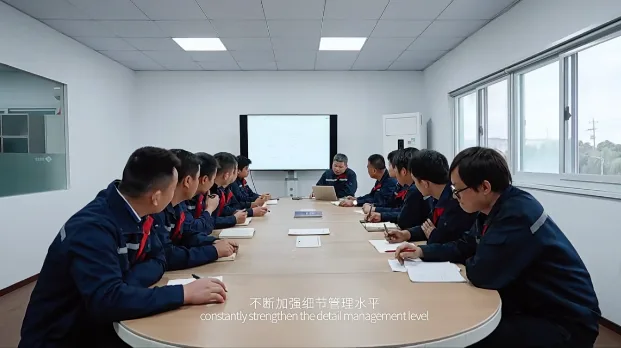
Hengqi team members coordinating projects in the office
Project office · requirements translated into internal actions

01 / Project coordination

One project brief is shared across the responsible functions.

Customer requirements enter through the commercial and engineering team, then move into design, production planning, inspection and trial without being reduced to a simple price request.

Capacity, resin, label, machine platform, cavity count and target cycle remain visible throughout the project so later decisions still serve the original production objective.

  • Shared project inputs
  • Traceable engineering decisions
  • Clear responsibility by stage
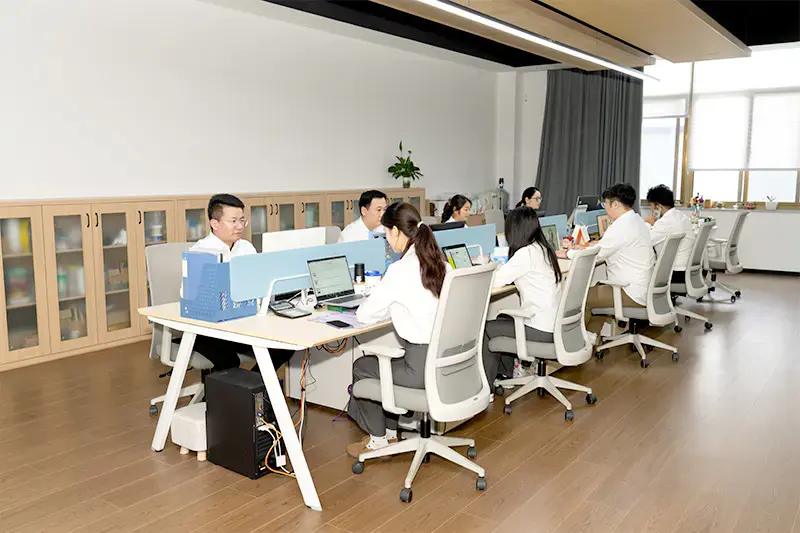
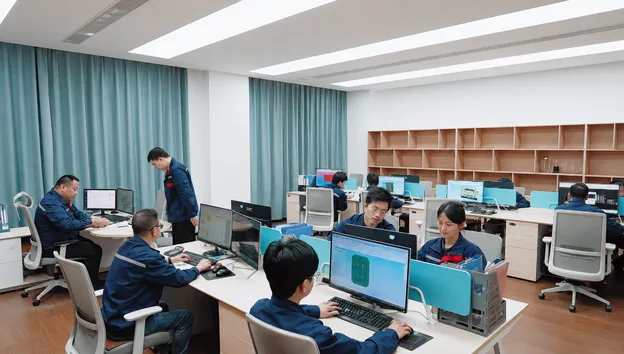
Hengqi design and project staff working at computer stations
Design workspace · product data and production requirements reviewed together

02 / Design team

Engineering begins before machining, with manufacturable product and mould decisions.

Design review connects product geometry with gate location, cooling, ejection, insert strategy, hot runner arrangement and service access.

The objective is not only to complete a drawing. It is to release a mould structure that can be machined, assembled, trialled and maintained with fewer correction loops.

  • Product and DFM review
  • Mould structure release
  • Machine and automation matching
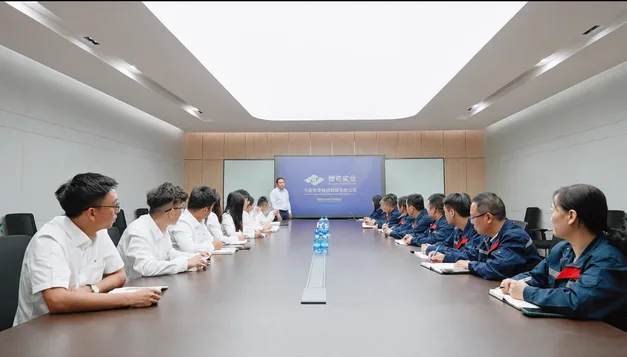
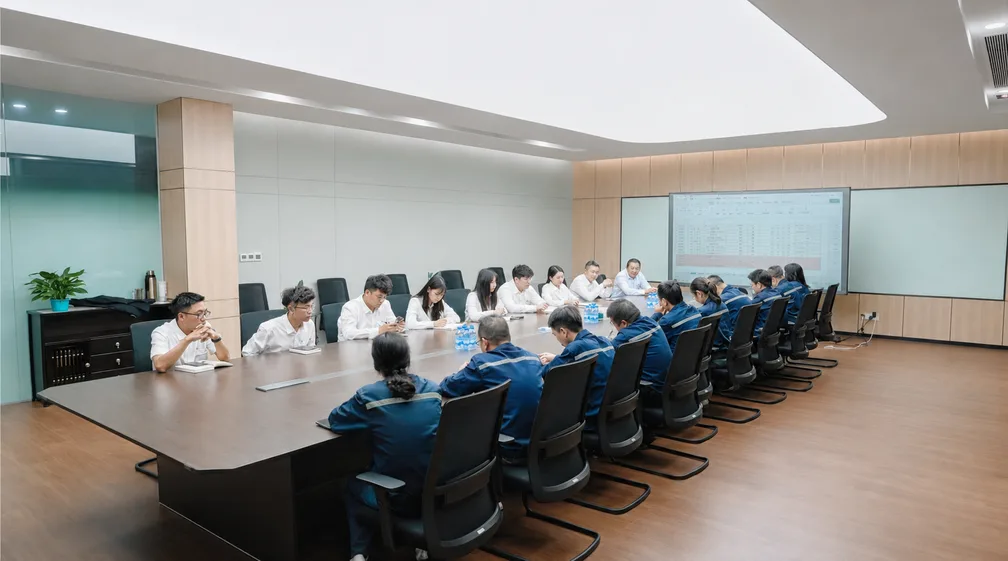
Hengqi technical training and engineering review room
Technical review room · recurring knowledge sharing and project discussion

03 / Technical review

Weekly review turns individual experience into a shared engineering resource.

Difficult issues are reviewed from design, machining, assembly, moulding and application perspectives. The team compares root causes and practical trade-offs before a correction is released.

A dedicated training and review environment supports recurring technical communication across the organization.

  • Cross-functional problem solving
  • Earlier root-cause review
  • Lessons returned to future projects
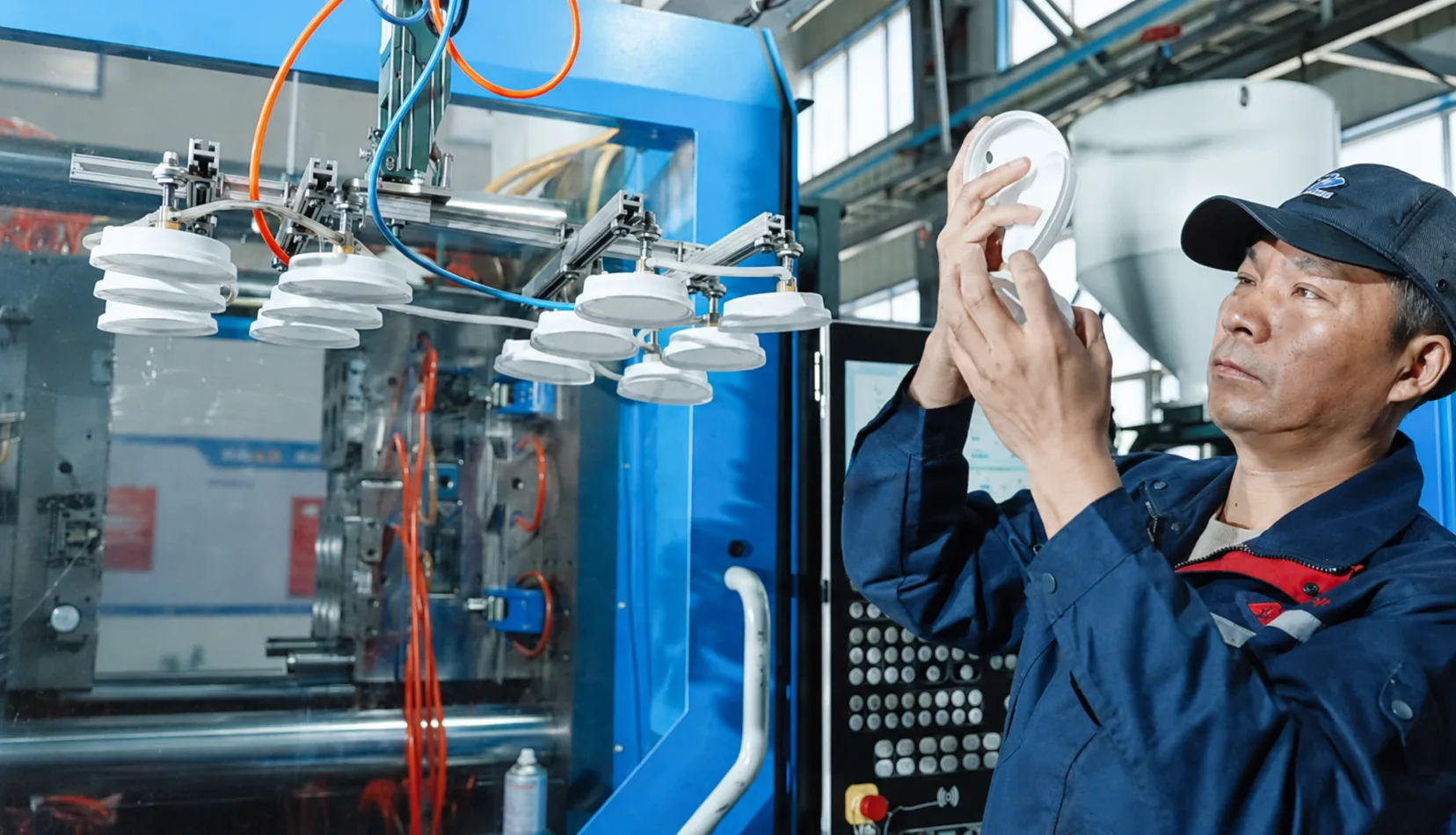
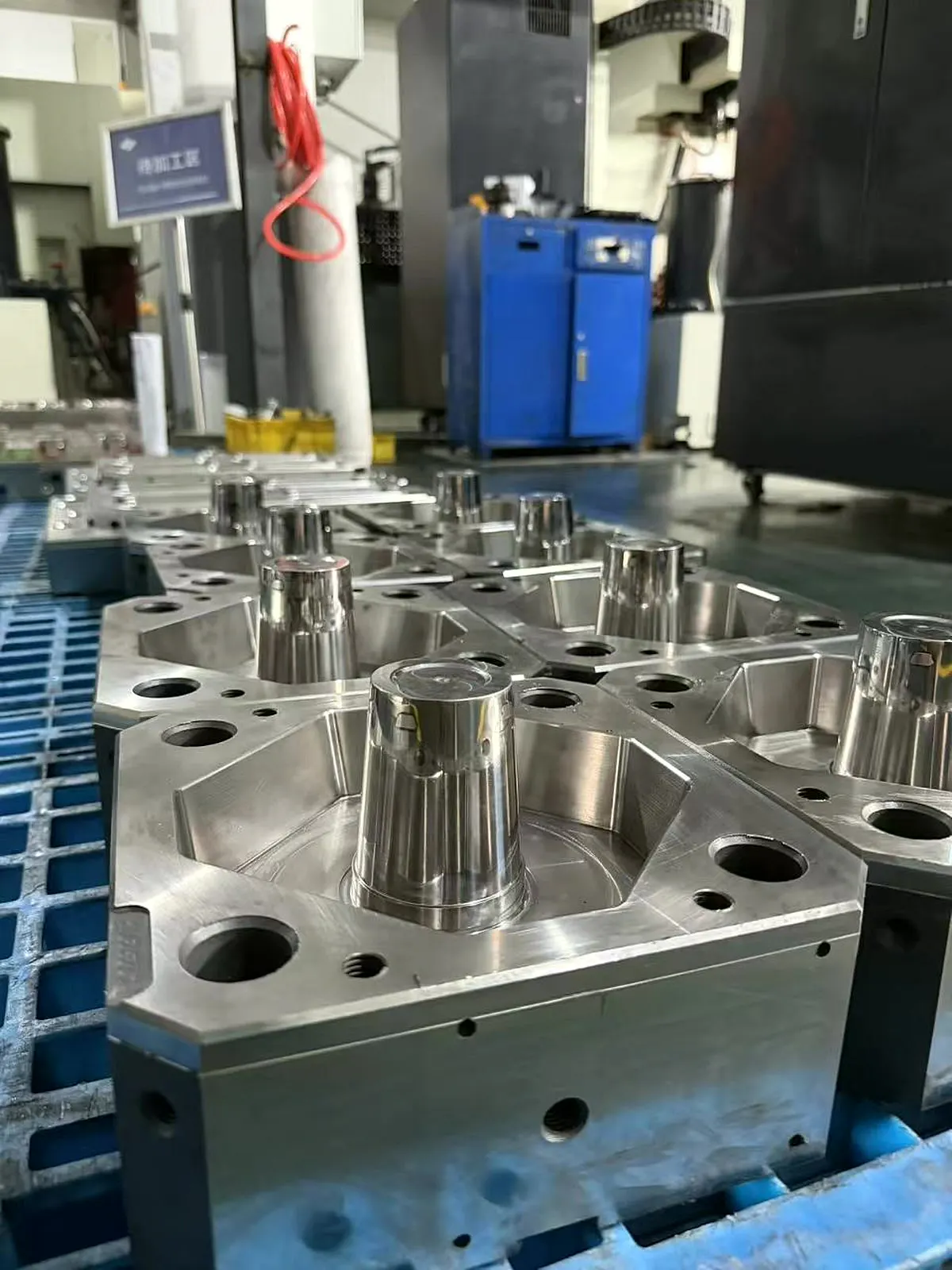
Finished precision mould cores ready for inspection and assembly
Finished mould components · inspection feedback connected to design intent

04 / Quality feedback

Inspection and trial results return to engineering instead of ending as isolated reports.

Finished components, assembly relationships and trial samples create feedback for the responsible technical teams.

When a measurement or production result does not match the approved requirement, the finding is linked back to design intent and manufacturing history before release.

  • Dimensional feedback
  • Assembly fit review
  • Trial result communication
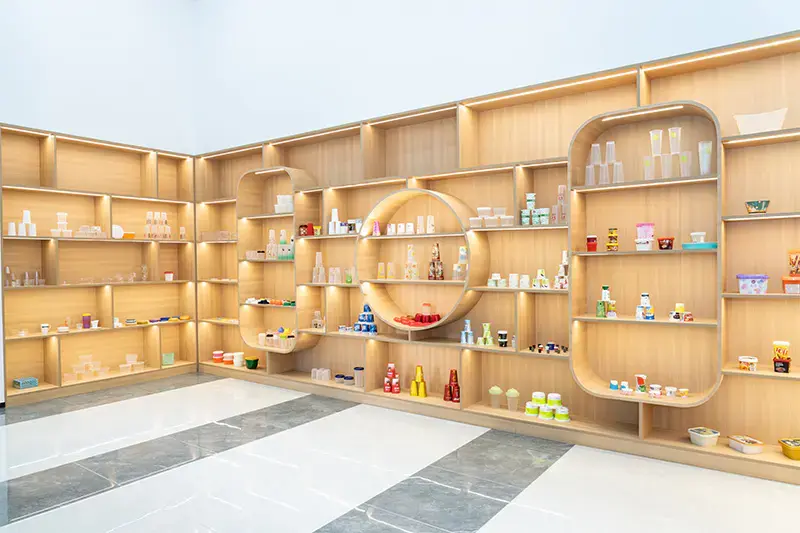
Hengqi product display and customer reception area
Customer reception · packaging applications linked to technical project support

05 / Customer support

Commercial support stays connected to technical resources before and after delivery.

The sales team gathers the buyer's production constraints and connects the right specialists to the discussion.

After delivery, production feedback, process questions and service requirements can be routed back to the same technical organization that developed the mould.

  • Pre-project feasibility communication
  • Production-stage troubleshooting
  • Spare and wear part planning

One connected support system

Four functions. One continuous engineering loop.

The team structure is designed to keep customer requirements, manufacturing evidence and production feedback connected throughout the mould lifecycle.

01

Define

Sales and engineering clarify the product, machine, output and commercial objective.

02

Engineer

Design and process specialists release a manufacturable mould and production route.

03

Verify

Quality, assembly and trial teams compare the result with the approved requirement.

04

Support

Feedback from the buyer's plant returns to the responsible technical resources.

Start with the production requirement

Give the team a production target, not only a product name.

The more clearly the operating conditions are defined, the more useful the first engineering response will be.

Send project information
01Product drawing, 3D data or physical sample
02Resin, capacity and wall-thickness requirement
03Target cavity count and expected output
04Injection machine tonnage, tie bars and shot size
05IML, robot, lid, sealing or stacking requirement
06Target cycle, market and acceptance standard

Buyer questions

Clarify the project before steel is committed.

Who communicates with the buyer during a mould project?

A commercial contact coordinates the project, while design, manufacturing, quality and trial specialists join when their technical input is required. This keeps communication connected to the people making the engineering decision.

What information should be shared with the engineering team first?

A product drawing or sample, resin, capacity, wall thickness, cavity target, injection machine, automation plan and required output help the team establish a practical mould concept.

Does technical support continue after mould delivery?

Yes. Hengqi supports installation questions, process troubleshooting, spare and wear part planning, and production feedback after delivery.