Dairy and fermented-food packaging

500ml IML Yogurt Bucket Mould for Label Accuracy and Reliable Lid Fit

Hengqi reviews the 500ml yogurt bucket, lid, IML label, robot and injection machine as one production system. The tooling proposal addresses rim geometry, label holding, wall balance, cooling, ejection, stacking and food-packaging acceptance requirements.

Reference capacity

500 ml yogurt or dairy bucket

Decoration

In-mould label matched to robot and vacuum system

Cavity direction

1–4 cavities after output and machine review

Key interfaces

Rim, lid closure, label overlap and stacking

Material

Food-grade PP or buyer-specified resin

Automation

Side-entry or top-entry IML concept by line layout

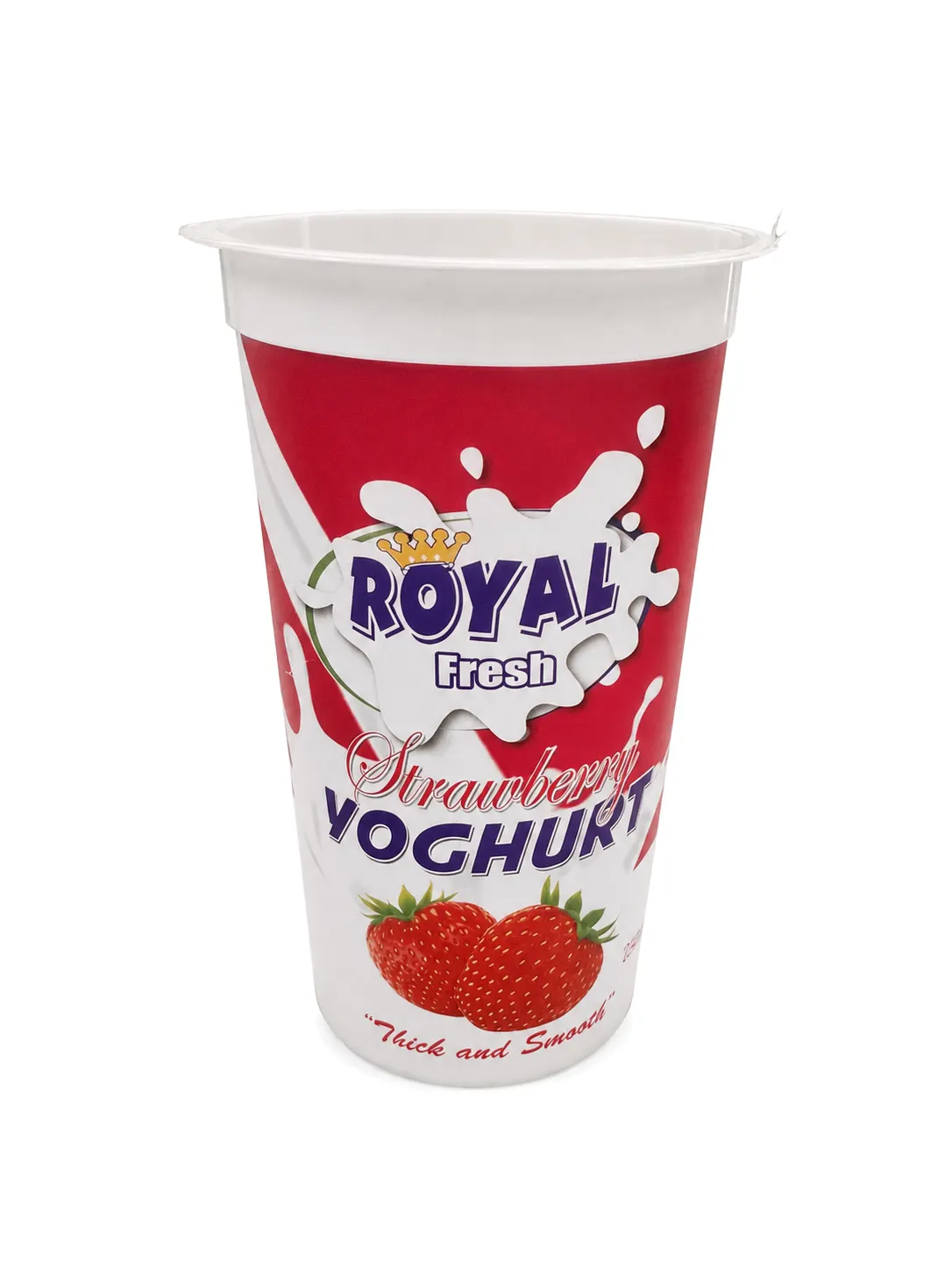
500ml IML yogurt bucket packaging concept
Representative IML dairy packaging. Final bucket geometry, label artwork, lid interface and mould layout are confirmed from the buyer's product.

Suitable buyer applications

Yogurt and fermented dairy packaging manufacturers

Ice cream and dessert bucket producers

Food factories moving from printed labels to IML

Packaging converters adding premium 500ml formats

03 / Visual engineering story

See how product requirements move through the mould project.

Each stage below pairs the engineering decision with a real product, tooling or factory image. This makes it easier to understand what Hengqi will review and manufacture for the project.

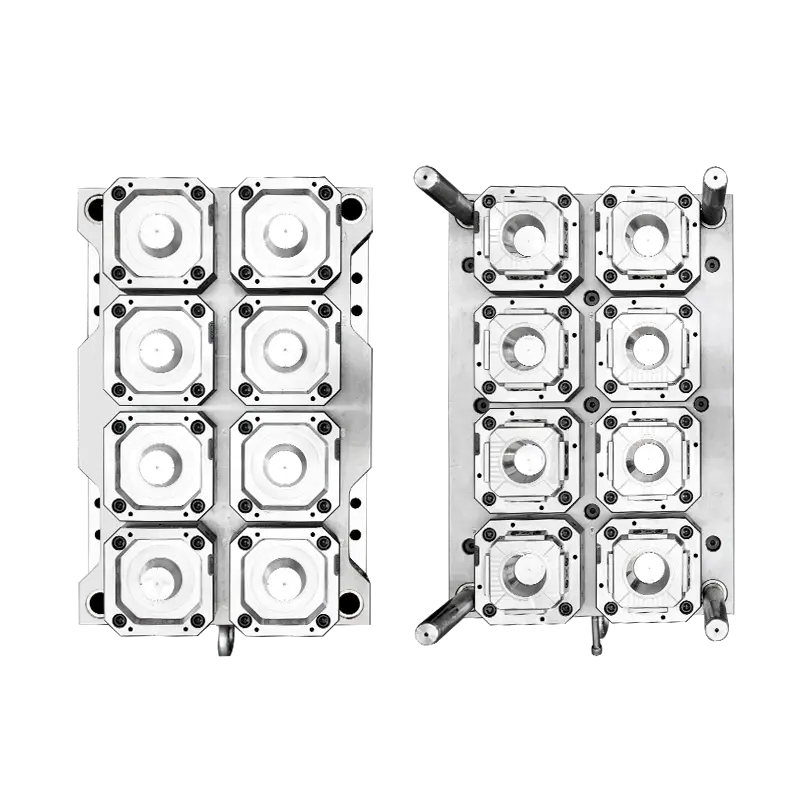
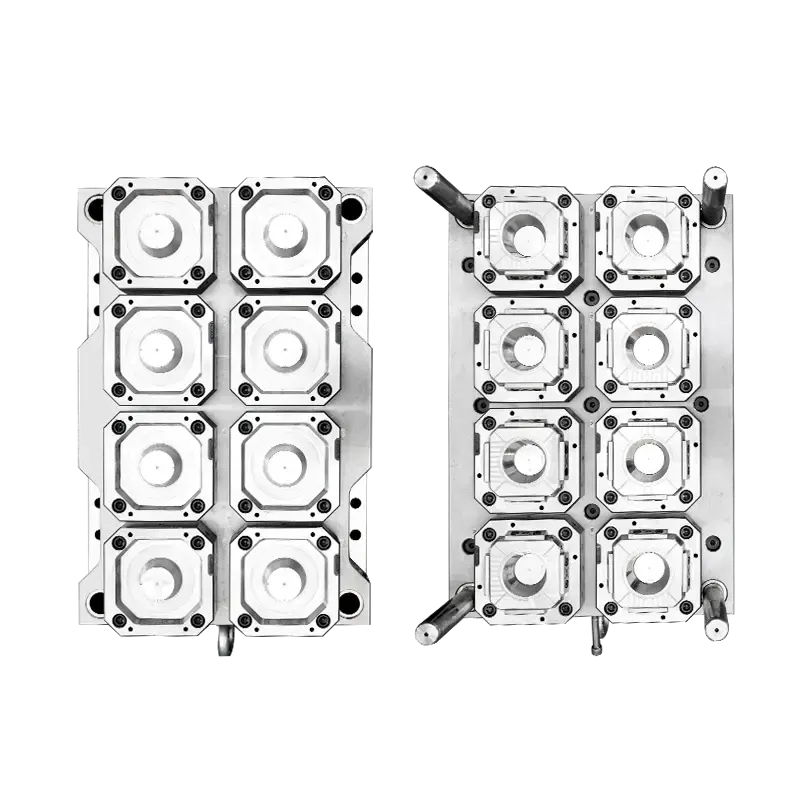
Open multi-cavity IML yogurt packaging mould
Open IML yoghurt packaging mould showing the cavity arrangement and robot access area.

01 / IML mould layout

The cavity layout must leave space for accurate, repeatable label placement.

Robot access, label loading direction, cavity pitch and holding method are reviewed before the mould structure is fixed. This prevents a tooling layout that works mechanically but leaves too little clearance for stable IML automation.
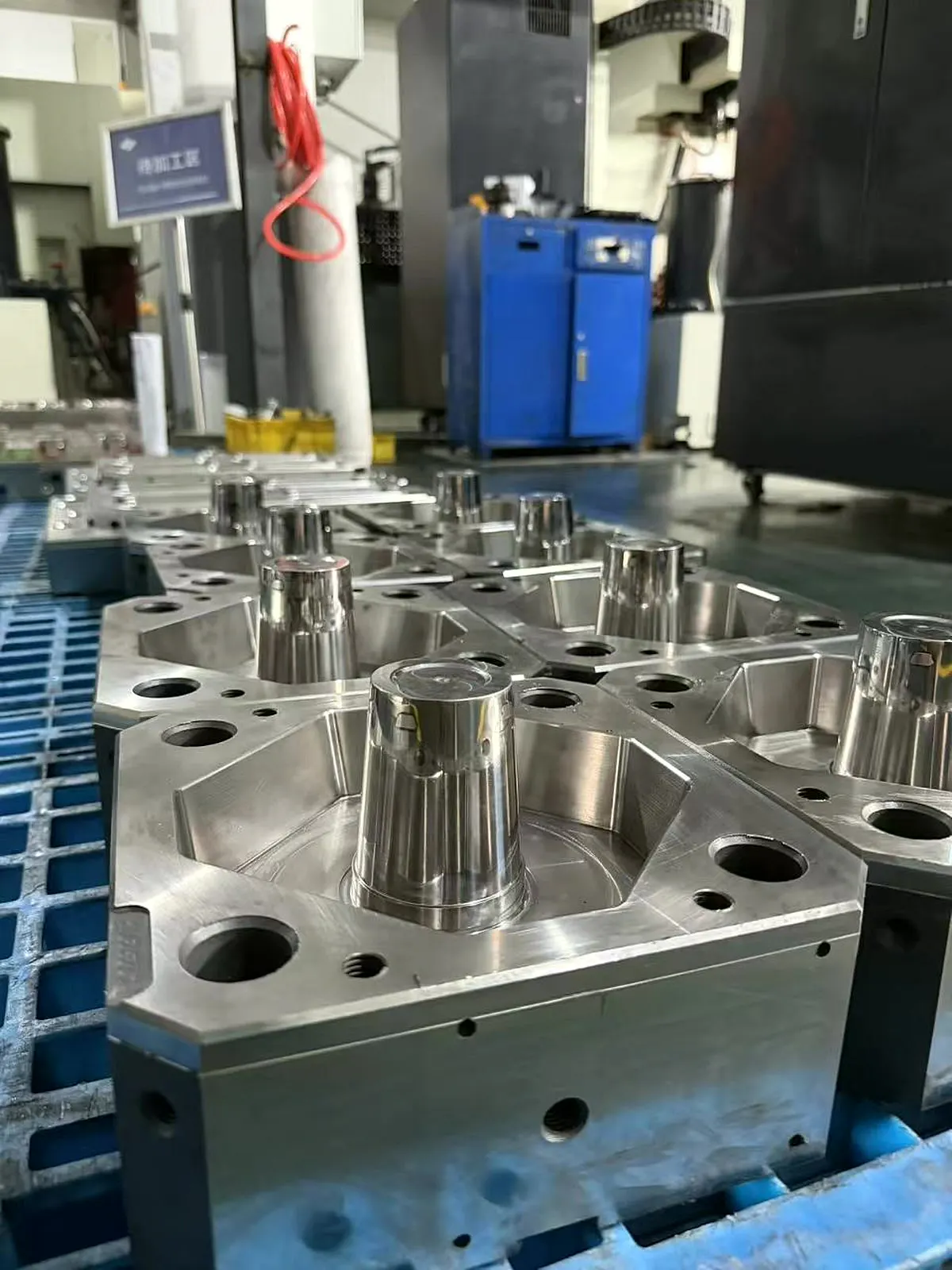
Precision-machined thin-wall mould cores
Finished core references for thin-wall and IML food-packaging moulds.

02 / Core & cavity manufacturing

Bucket walls, rim and label surface depend on consistent mould geometry.

Core steel, heat treatment, machining allowance and finishing are planned as one route. The objective is to protect wall distribution, rim roundness and the large visible surface that carries the IML artwork.

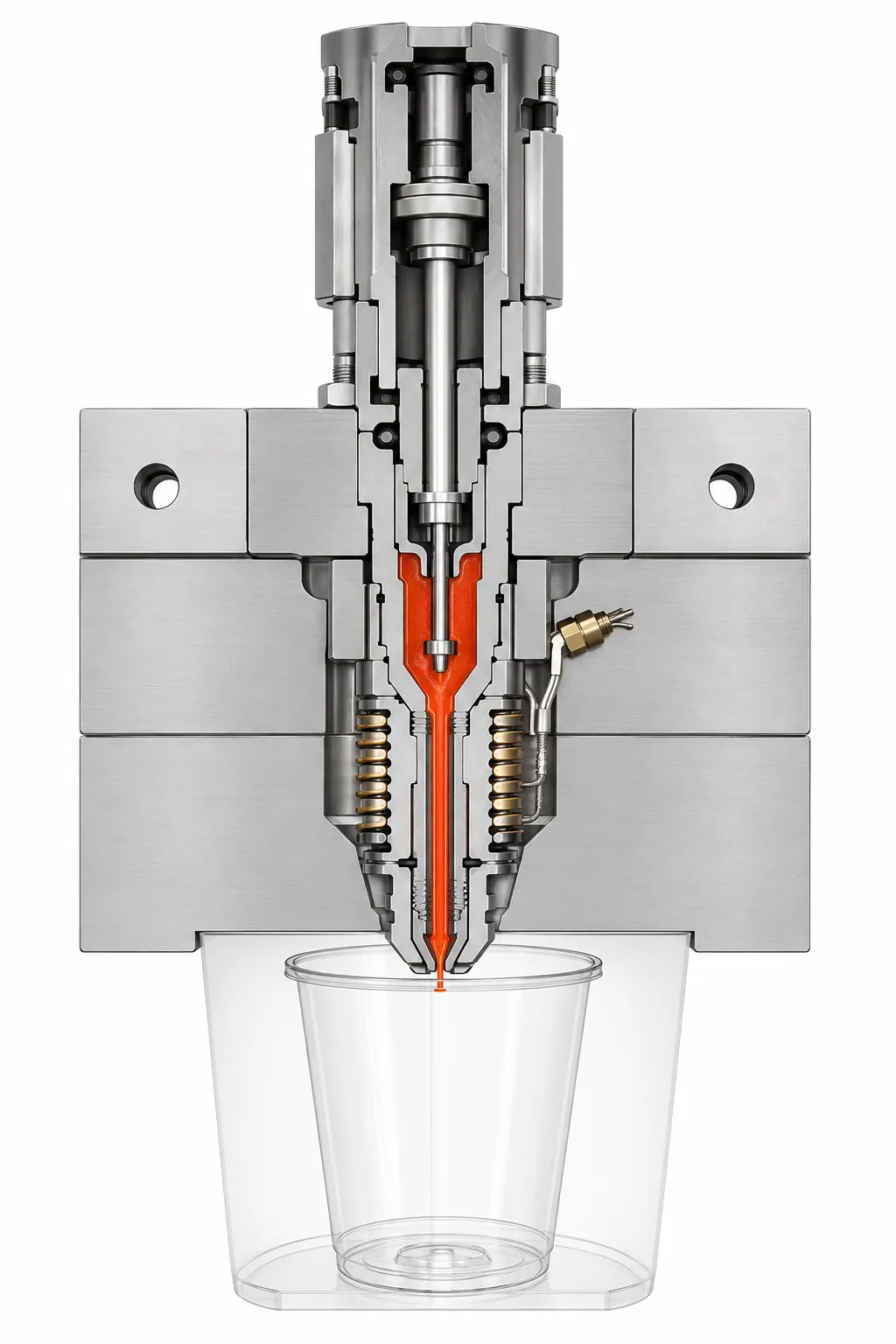
Valve-gated hot runner section for IML mould
Valve-gate hot runner reference integrated into an IML mould system.

03 / Valve-gate integration

Gate position is reviewed against both filling balance and label appearance.

The melt-delivery system is matched to the bucket wall, resin, cavity layout and cycle target. Gate location and cooling must support even filling without creating an unacceptable mark or label defect.

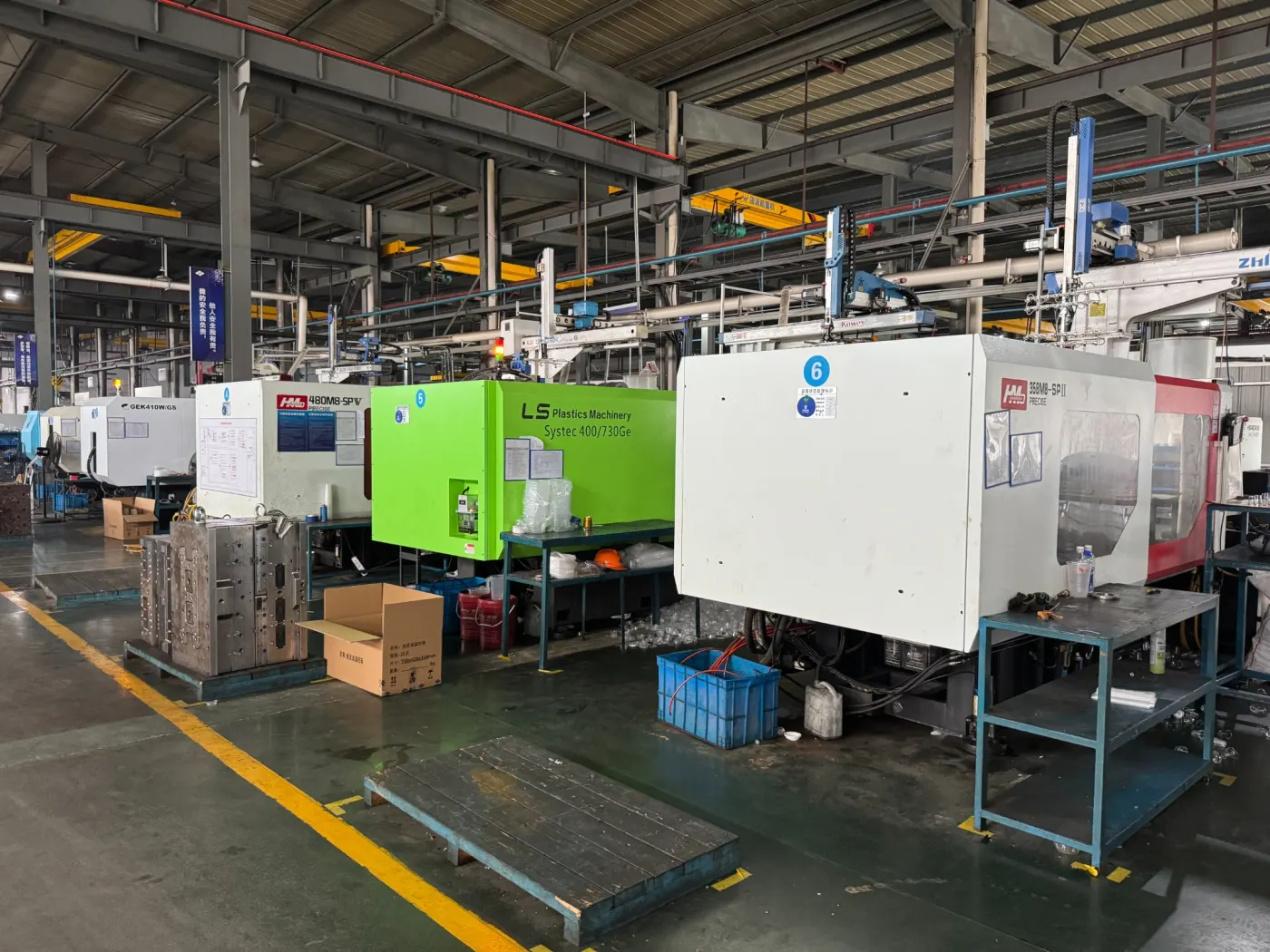
Injection mould trial machine line for IML packaging
Mould trial line used to review process stability and representative samples.

04 / IML production trial

Label placement, lid fit and robot stability are validated in the same trial.

The trial checks label orientation, seam, adhesion, wall balance, rim and lid fit, ejection and stacking. Continuous robot operation is included because a good manual sample does not prove a stable IML production line.

01 / Engineering review

The mould proposal starts with production conditions—not only product shape.

A useful tooling proposal must connect the product, resin, machine, automation and output target. These review points make the quotation more specific and reduce correction loops after steel is ordered.

Label area & overlap

Label dimensions, seam overlap, artwork position and visible surface are reviewed against the bucket draft and mould parting.

Robot & vacuum holding

Label loading direction, static or vacuum holding, robot clearance and cycle sequence are checked before the cavity structure is released.

Rim and lid fit

Bucket rim roundness, shrinkage, lid groove and release force are reviewed together to protect closure performance.

Wall & bottom balance

Gate position, filling sequence and cooling are matched to wall thickness, base stiffness and label appearance.

Ejection & stacking

The bucket must release without label damage, deformation or nested-product jams during automatic handling.

Food-line acceptance

Product dimensions, label adhesion, lid fit and packaging-line handling are converted into agreed trial checks.

02 / Tooling evidence

Review the mould and manufacturing route before starting the project.

The images below are real Hengqi tooling or production references. They show the type of mould structure and manufacturing capability used for application review; the final tooling layout is customized to the actual product.

Open multi-cavity IML packaging mould
Open IML tooling reference for robot clearance, label access and cavity layout.
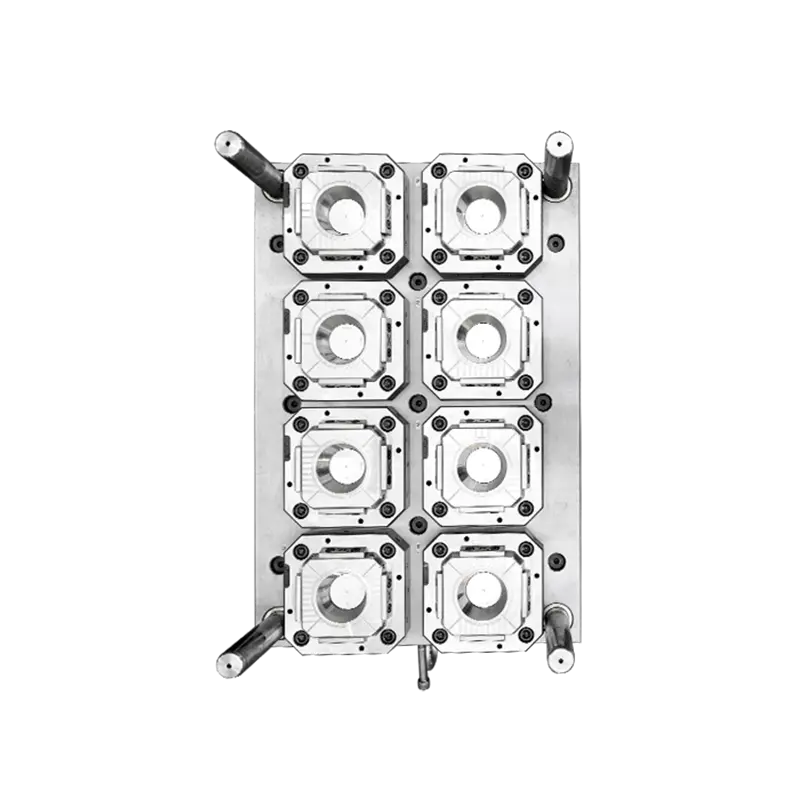
IML mould core-side reference
Core-side tooling reference for cooling, ejection and stack geometry.
Valve-gate hot runner section for IML mould
Valve-gate and melt-delivery layout are matched to filling balance and label appearance.

04 / Project workflow

Every step should answer a buyer acceptance question.

The project route connects product approval, design, steel, machining, assembly and trial. Exact timing depends on mould complexity, cavity layout, steel and customer approval speed.

  1. 01

    Bucket, lid & label review

    Confirm capacity, product weight, rim, lid, label artwork, resin, robot and target output.

  2. 02

    IML system design

    Define cavity layout, label holding, hot runner, cooling, ejection and robot clearance.

  3. 03

    Manufacturing & fitting

    Machine, inspect and assemble the mould components, hot runner, cooling and moving interfaces.

  4. 04

    IML production trial

    Review label placement, rim and lid fit, wall balance, ejection, stacking and continuous stability.

05 / Trial acceptance

Agree on the checks before the mould trial.

Acceptance should reflect the product's actual job on the filling, packing or consumer-use line. Final criteria are confirmed with the buyer before trial.

Label position, overlap and artwork orientation
Label adhesion, bubbles and visible surface quality
Bucket weight and wall-thickness distribution
Rim roundness and matching-lid closure
Bottom stiffness and standing stability
Cavity-to-cavity dimension consistency
Robot placement, ejection and stacking behavior
Agreed continuous IML production trial

Information needed for quotation

Better input creates a more practical mould proposal.

A drawing is best, but a clear sample photo and basic production information are enough for the first engineering review.

Bucket and lid CAD drawings or physical samples
500 ml capacity and external dimensions
IML label artwork, material and thickness
Target product weight and resin grade
Cavity count and hourly production target
Injection machine and IML robot details
Lid closure, stacking and filling-line requirements
Target cycle and acceptance method
Send details to Bryan

06 / Buyer questions

Questions to resolve before tooling approval.

These answers provide a practical starting point. Final specifications are based on your drawing, samples, resin, machine and production targets.

Do you need the IML label artwork before mould design?

Yes. Label size, seam overlap and artwork position affect cavity surface, holding method, robot path and the visible result.

Can the bucket and lid moulds be developed together?

Yes. Joint review is recommended because rim shrinkage, closure force and stacking are influenced by both parts.

What determines one, two or four cavities?

Bucket size, product weight, machine shot capacity, tie-bar space, robot speed, cooling and required hourly output determine the practical layout.

What should be inspected in an IML trial?

Inspect label placement, overlap, adhesion, surface appearance, bucket dimensions, rim and lid fit, cavity balance, ejection and continuous robot stability.