 01
01Focused project page
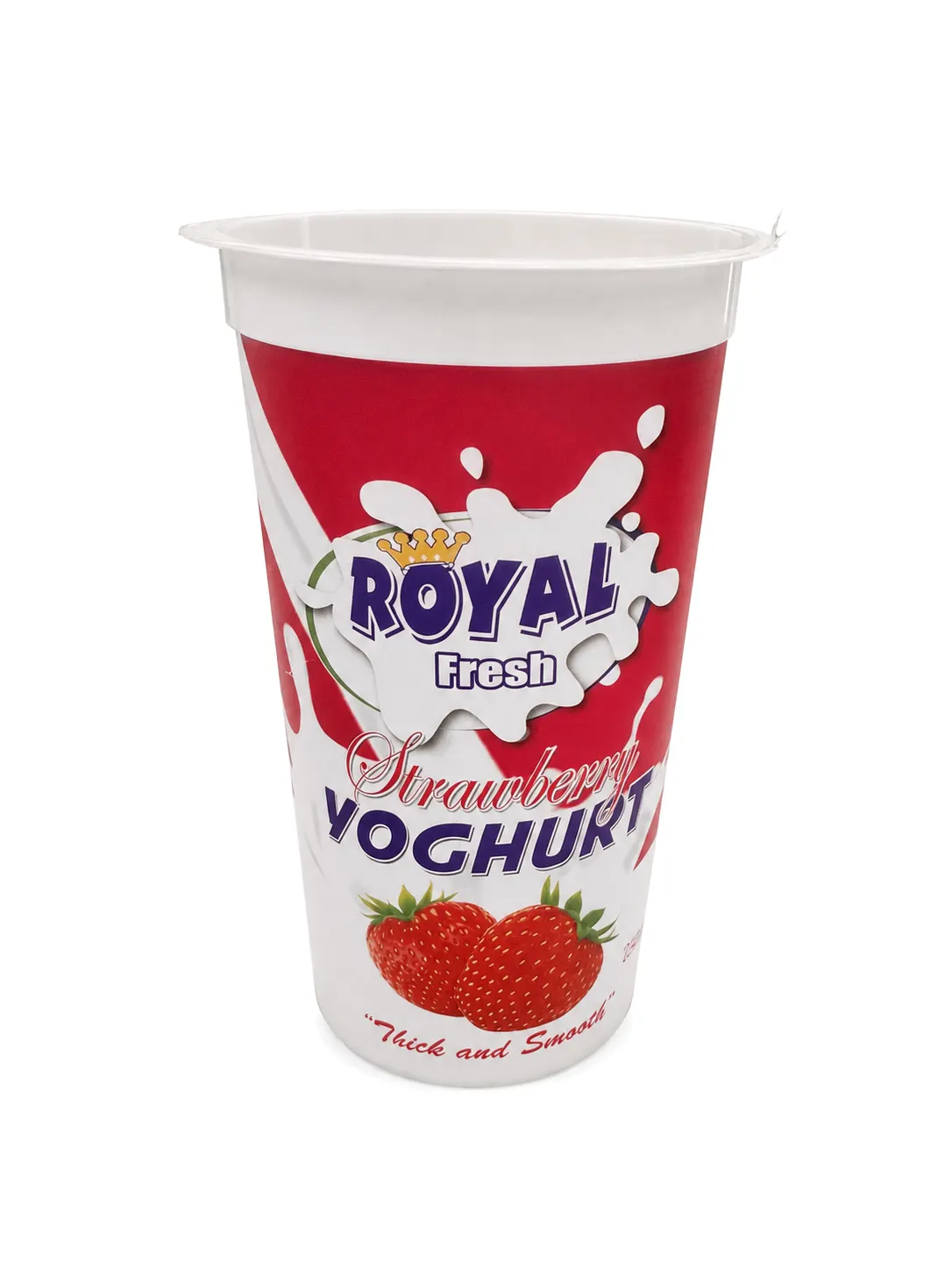
500ml IML Yogurt Bucket
Detailed tooling review for a common mid-size dairy bucket, including label overlap, lid interface, robot clearance, cooling and acceptance checks.
Review this routeDairy bucket and tub tooling
From 500ml tubs to larger dairy pails, Hengqi reviews the bucket, matching lid, label, cold-chain use, machine, IML robot and output target as one production system.
500ml+
Bucket formats reviewed by application
Bucket + Lid
Closure relationship developed together
IML + Filling
Decoration and line handling validated
Select the closest dairy format
Portion cups, 500ml yogurt tubs, handled pails and retail cheese boxes share IML principles but not the same tooling architecture. These routes help buyers identify which product evidence and engineering questions are relevant before quotation.
01Focused project page
Detailed tooling review for a common mid-size dairy bucket, including label overlap, lid interface, robot clearance, cooling and acceptance checks.
Review this route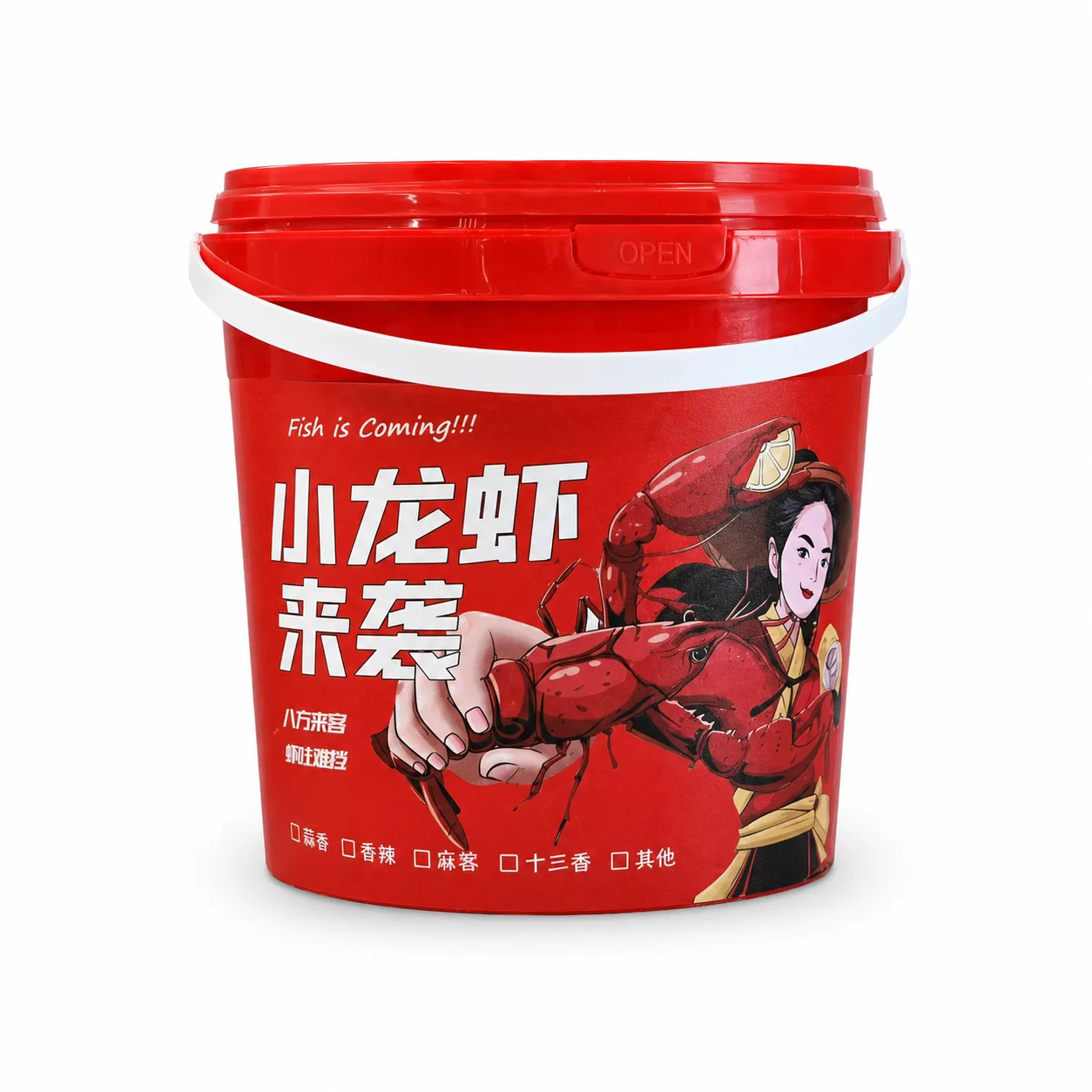 02
02Larger dairy and food pack
Larger-format mould engineering for wall stiffness, lid and optional handle interfaces, full-wrap label control and machine capacity.
Review this route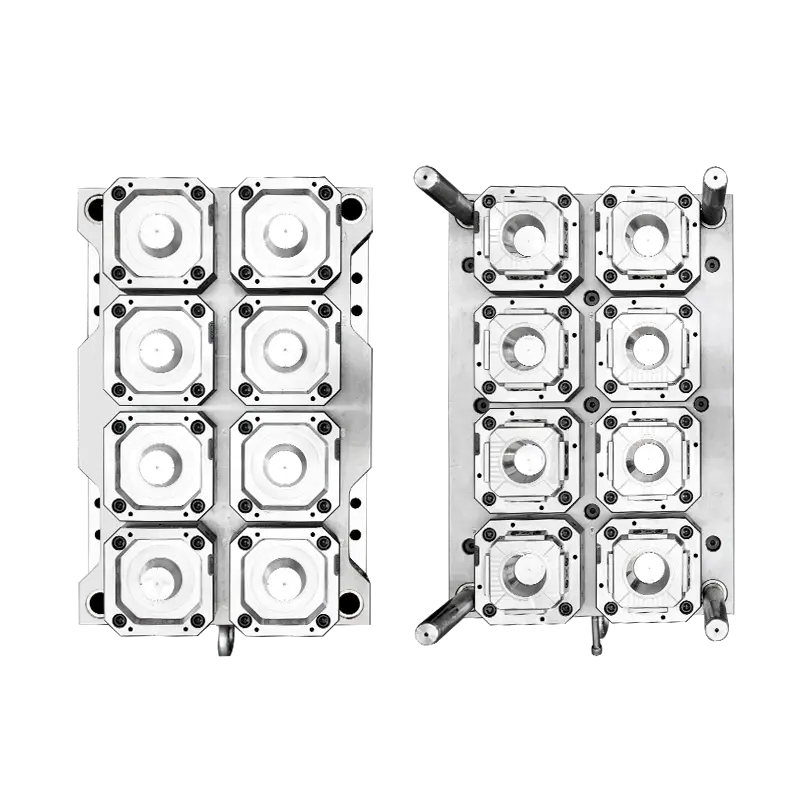 03
03Small dairy portions
High-cavity cup tooling for yogurt, ice cream and dairy portions where rim flatness, label position and stable stack release drive output.
Review this route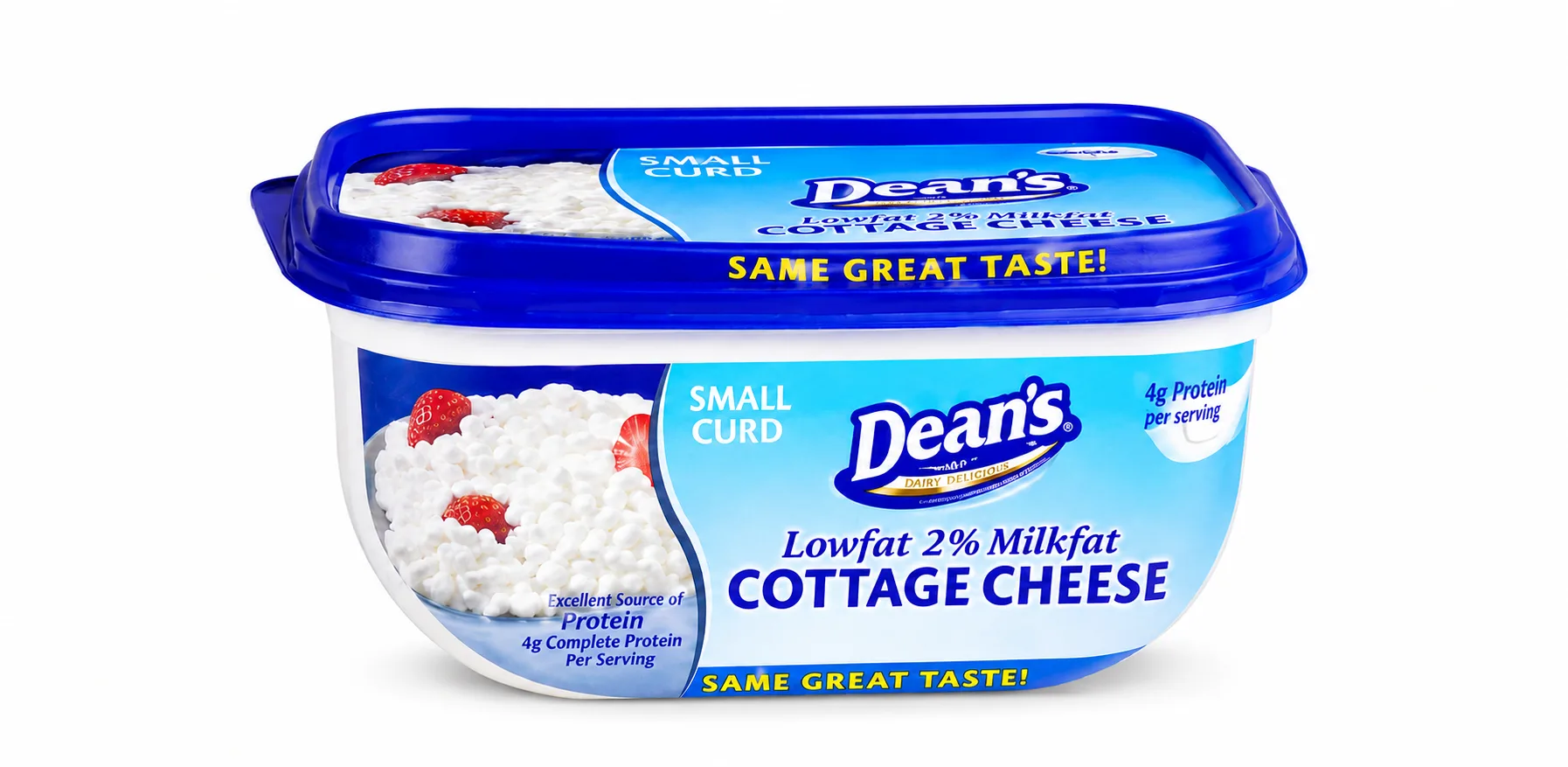 04
04Retail dairy boxes
Round or rectangular dairy-container tooling focused on shelf appearance, lid closure, sealing or tamper features and filling-line handling.
Review this route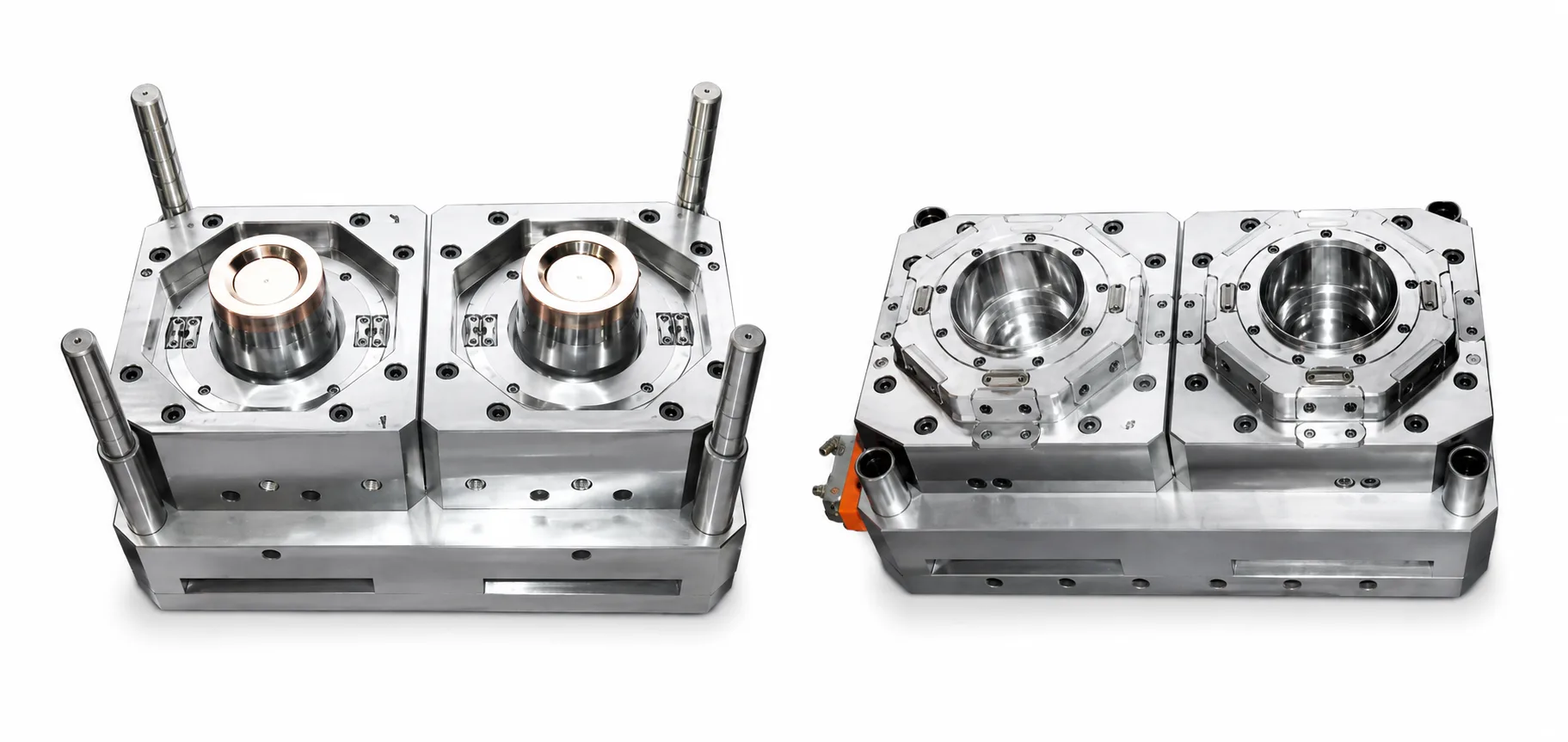 05
05Broader selection guide
Compare cup, tub, bucket, pail and food-box requirements when the project is not limited to one yogurt packaging format.
Review this route 06
06Product-led comparison
Review five packaging directions and see which product, label, closure and machine details should enter the first engineering discussion.
Review this routeManufacturing evidence
Real open-tool reference used to discuss cavity pitch, label access, core cooling and ejection—not a claim that every yogurt bucket uses this cavity layout.
Dairy-specific engineering
Yogurt packaging must remain presentable and functional after moulding. The bucket may pass through automatic de-nesting, filling, film sealing, lid placement, cold storage and transport before the customer opens it. These conditions should influence the product and mould review from the beginning.
Rim flatness, roundness, shrinkage, snap fit and sealing-film contact are reviewed with the matching lid and actual dairy filling method.
Artwork orientation, label seam, overlap, film stiffness and the bucket draft are coordinated to reduce shift, wrinkles and visible distortion.
Gate position, thickness distribution, ribs, bottom stability and resin are checked against filling load, chilled handling and transport stacking.
Label placement, part release, grip points, nested stack pitch and downstream separation are reviewed as one automatic sequence.
The trial should connect label quality and mould dimensions with lid fit, film contact, filling-line handling and continuous cavity balance.
Project definition
Capacity is only one input. The same nominal volume can use different rim styles, weights, labels, closures and filling processes, which leads to different cavity, hot runner, cooling and automation decisions.
01 / Dairy pack
Provide the container and lid, product weight, sealing-film requirement, fill temperature, stacking height and transport condition.
02 / Decoration
Confirm label material, thickness, overlap, orientation, loading method and the visible areas that cannot accept gates or handling marks.
03 / Production line
Injection machine space and shot size, IML robot speed, take-out path, de-nesting and required output define the practical mould layout.
Confirm bucket, lid, label, resin, filling and sealing conditions, machine, robot and target output.
Release rim, walls, label area, cavity layout, holding method, hot runner, cooling and ejection as one system.
Machine and inspect the core, cavity, rim, cooling and assembly interfaces before controlled fitting.
Check label result, dimensions, film and lid interface, robot stability, de-nesting and agreed continuous production.
Quote-ready inputs
If final CAD is not available, physical samples, label artwork and machine information can still support a useful first review and expose missing decisions early.
Buyer FAQ
No. It is a dairy-bucket category page covering 500ml and other mid-size or larger yogurt tubs and pails. The dedicated 500ml page is available when that format is closest to the buyer's project.
Buckets usually have greater projected area, a wider lid interface, a larger label, higher wall-stiffness demands and different robot and stacking conditions. These differences can reduce practical cavity count and change cooling and ejection design.
Joint review is recommended. Bucket-rim shrinkage, lid closing force, leakage risk, sealing-film contact and stacking behavior depend on the relationship between both products.
Provide the robot model, label-loading direction, mandrel or placement-tool dimensions, mould-opening requirement, cycle capability, static or vacuum method and part take-out sequence.
Check label position and adhesion, bucket weight and wall balance, rim dimensions, film and lid interface, ejection, robot placement, nested-stack release, cavity consistency and stable continuous production.
Film sealing, snap-lid force, chilled stacking height, de-nesting method, filling temperature, label orientation and downstream packing all affect rim strength, wall thickness, draft, cooling, ejection and the practical cycle window.
500ml Yogurt Bucket Project Page
Review a focused mid-size dairy bucket route with label, lid and robot acceptance points.
Open pageIML Container Mould Category
Compare yogurt cups, buckets, pails, cheese boxes and other IML food-container formats.
Open pageMould Development Process
See how product review, steel preparation, machining, assembly and trial are connected.
Open pageEngineering & Support Team
Understand how sales, design, machining, quality and production support share project inputs.
Open pagePackaging Application Cases
Compare dairy packaging with coffee-lid, square-box, 2L-bucket and cheese-box routes.
Open pageStart with the actual package