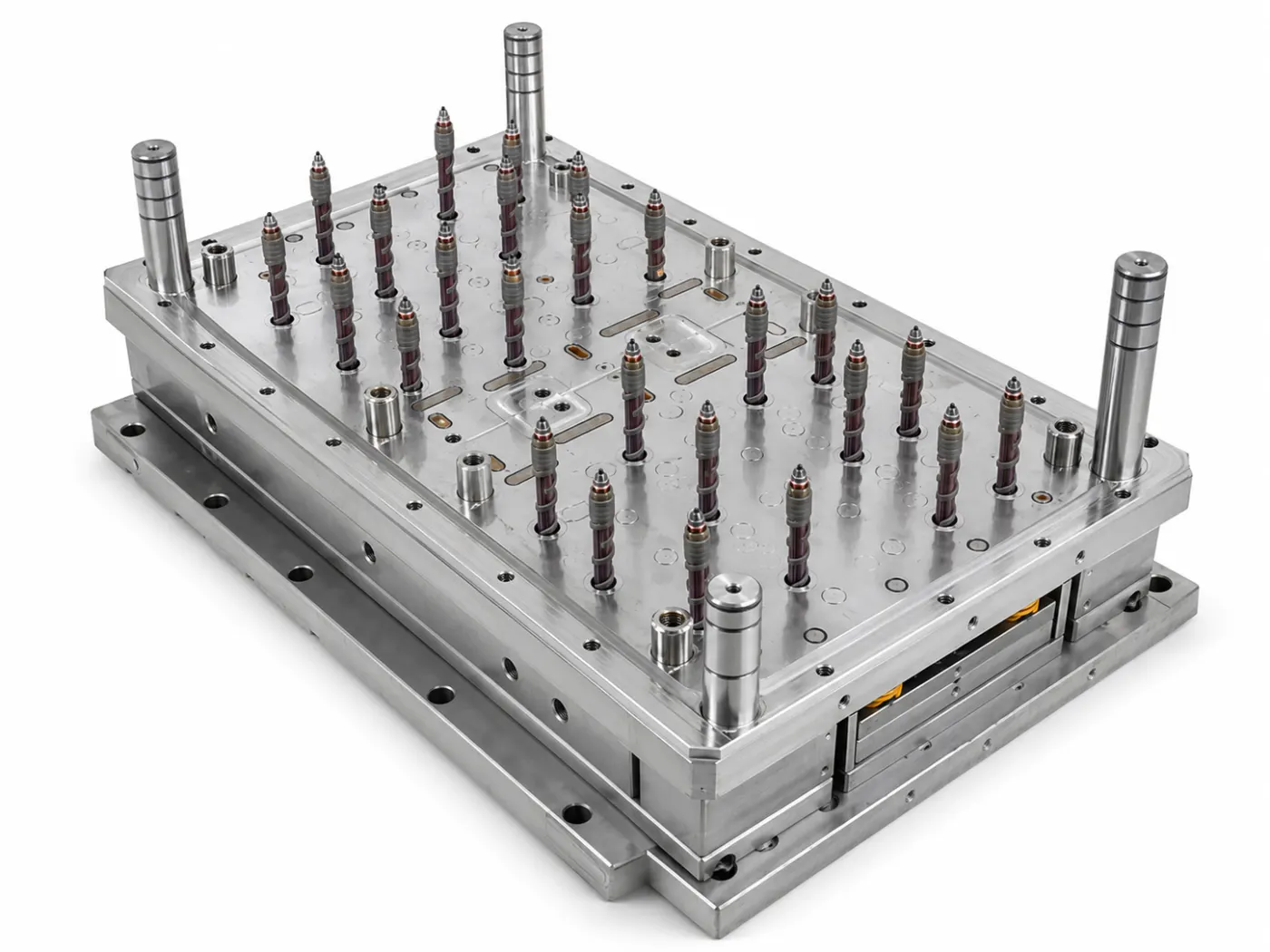
Completed multi-cavity IML yoghurt cup mould at Hengqi

Real IML yoghurt cup project

From design approval to trial samples in 60 days.

A controlled delivery route connects mould-base preparation, hardened working steel, five-axis geometry, precision finishing, hot runner assembly and production validation.

60 daysConfirmed reference project
5 phasesConnected delivery roadmap
3μmSelected critical features
TrialSamples before delivery

Visual engineering record

See the people, decisions and production stages behind the claim.

Each section links a real Hengqi image with the engineering purpose it supports. Buyers can understand what is reviewed, what is manufactured and what evidence is checked before delivery.

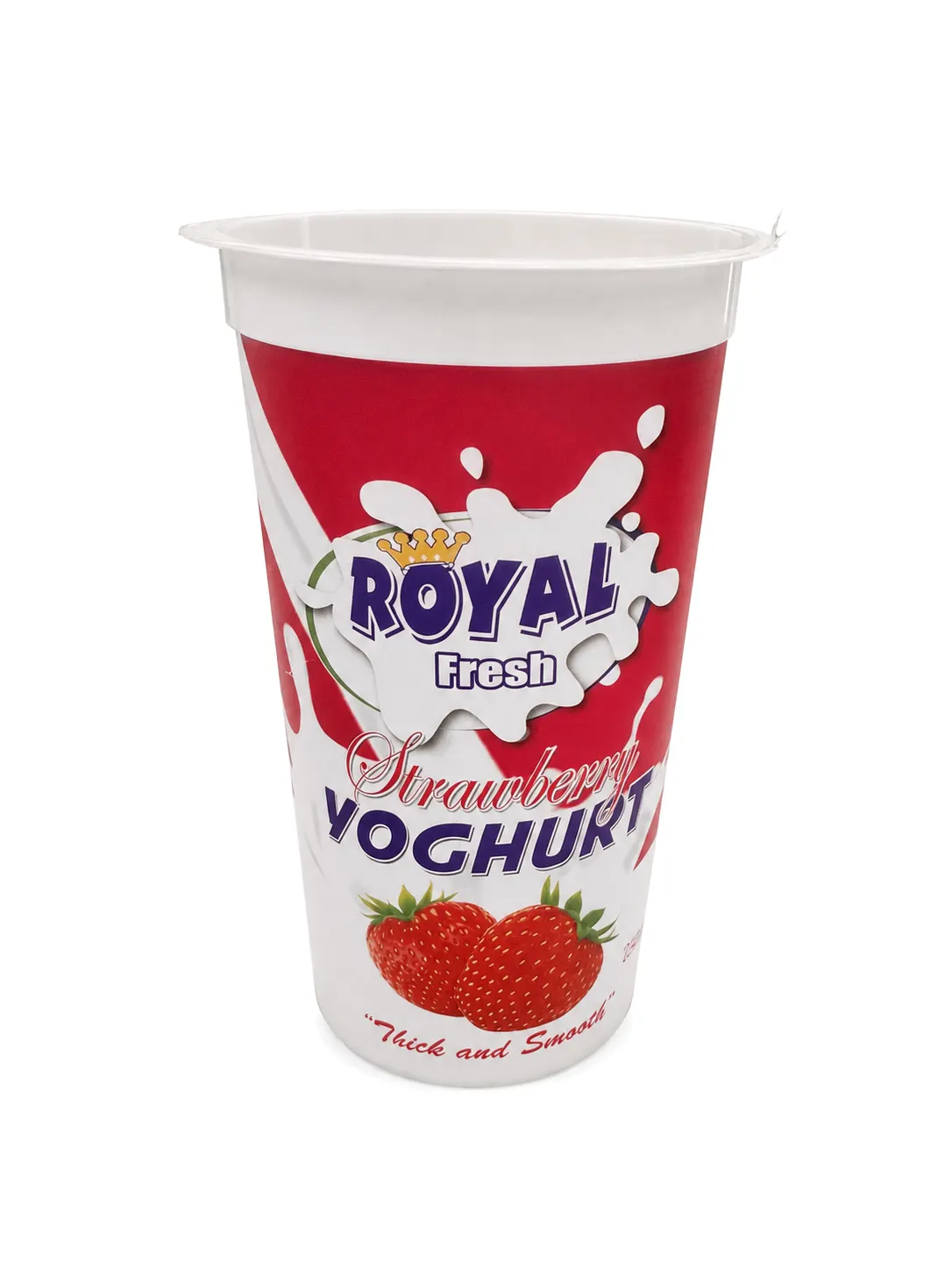
IML yoghurt cup used to define the mould development requirement
Project input · product geometry, label and production target

01 / Product and DFM

The schedule starts with the product and production requirement.

The team reviews capacity, wall thickness, resin, label area, rim, stacking, machine platform, cavity target and cycle requirement before the mould structure is released.

Early decisions define the later hot runner, cooling, ejection and automation interfaces, so the project cannot be shortened by skipping product engineering.

  • Drawing and sample review
  • Machine and robot matching
  • Acceptance points defined early
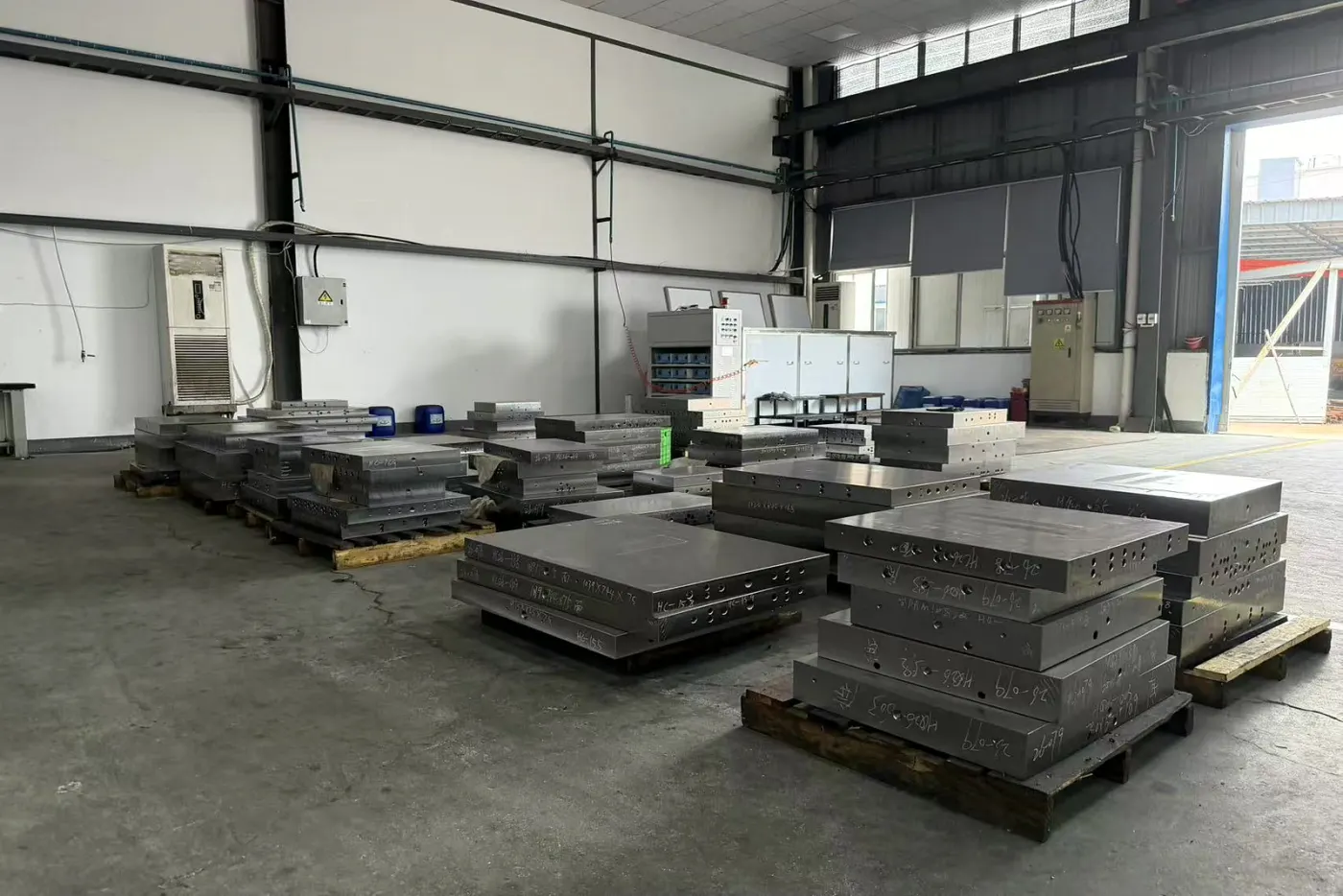
Mould bases prepared for IML packaging mould production
Mould-base preparation · reference faces and plate features established

02 / Mould base

Datum control begins with the mould base, not after precision finishing.

Mould plates and reference faces establish the dimensional foundation for every later operation.

Plate preparation, drilling, cooling interfaces and locating features follow the released mould design and planned assembly relationships.

  • Reference-face preparation
  • Cooling and mounting layout
  • Fewer uncontrolled handoffs
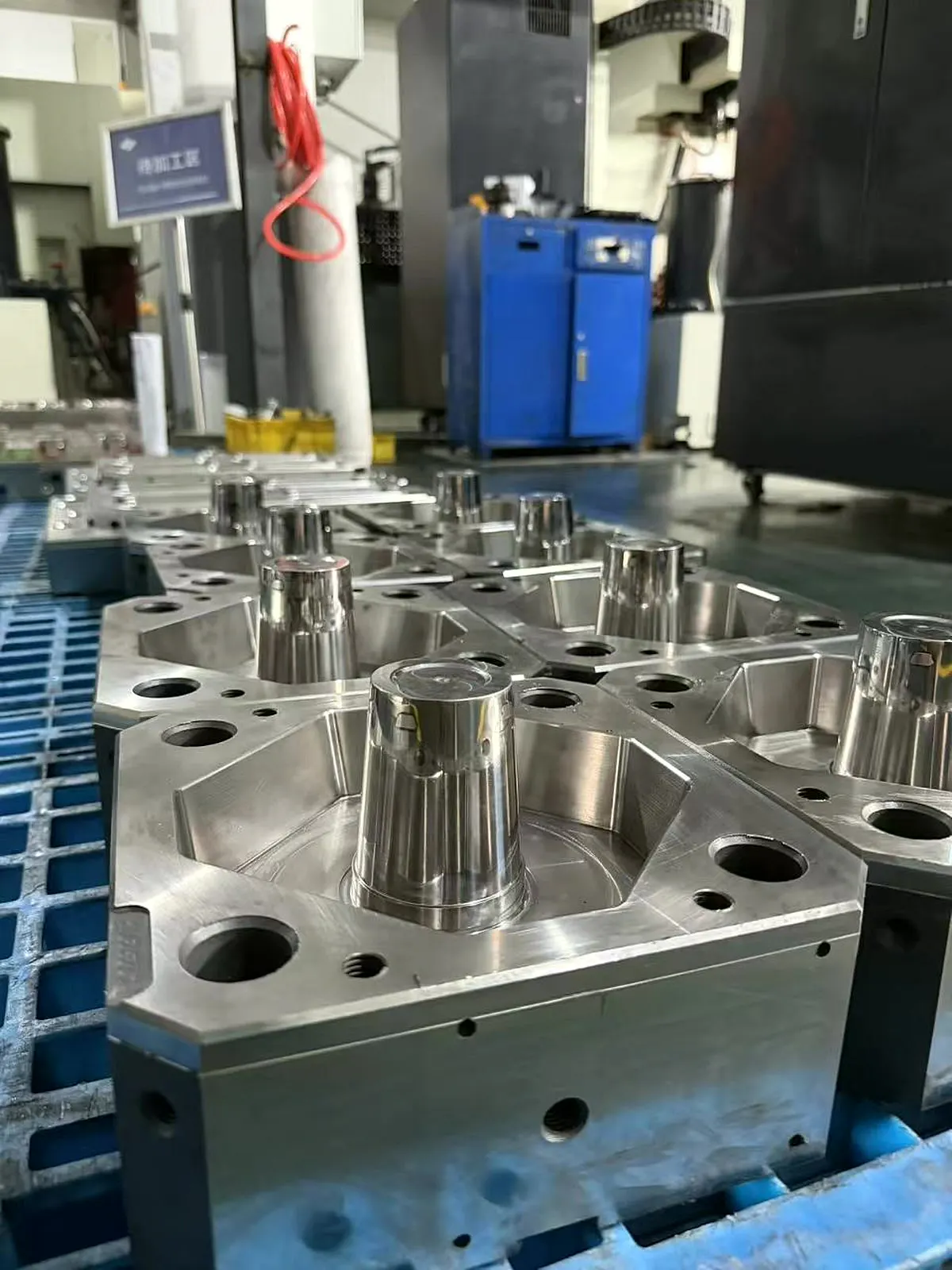
Precision finished mould cores for thin-wall packaging production
Core and cavity route · working components prepared for controlled fitting

03 / Core steel route

Working components are prepared around strength, wear and dimensional stability.

Core, cavity and insert routes are matched to the approved material, heat-treatment and finishing requirements.

Controlled allowance is preserved through rough machining and heat treatment so precision operations begin from a predictable condition.

  • Material route confirmed
  • Heat-treatment allowance protected
  • Critical interfaces identified
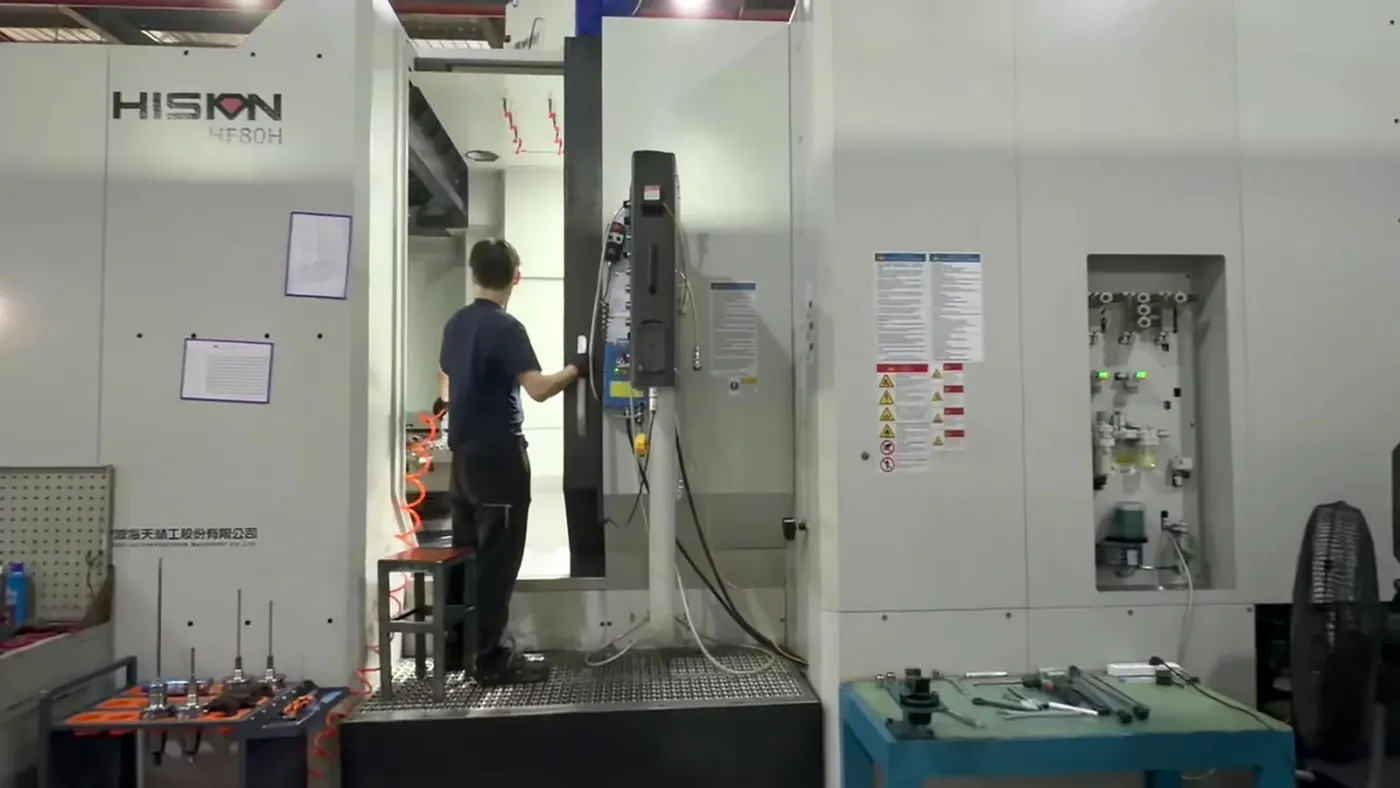
HISION five-axis machining center used for mould geometry
Five-axis machining · coordinated geometry with fewer datum transfers

04 / Five-axis machining

Complex geometry stays coordinated in fewer setups.

Five-axis machining supports angled features, groove milling and multi-surface contour work while reducing repeated re-clamping.

Protecting the relationship between features gives the following precision-finishing stage a more stable allowance.

  • Complex tool access
  • Reduced datum transfer
  • Stable finishing allowance
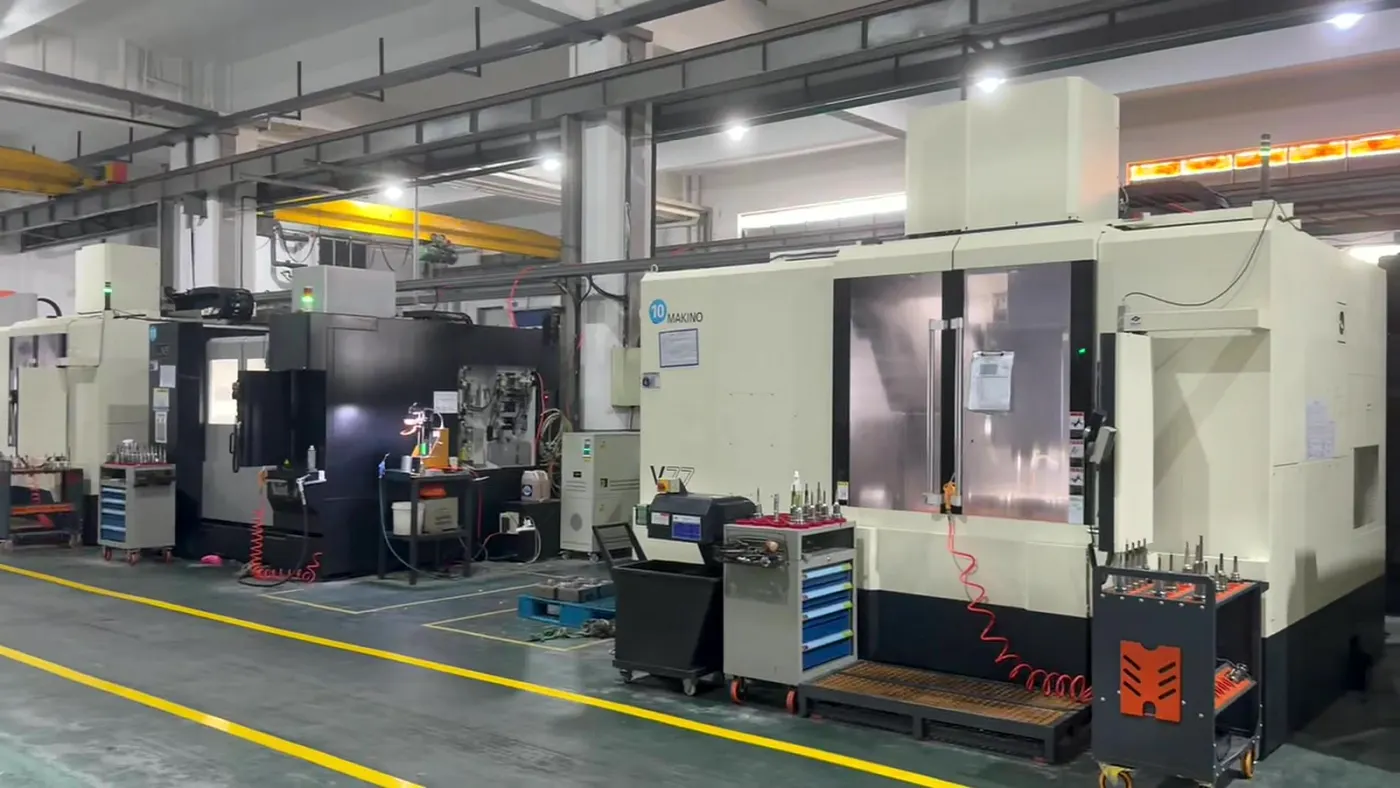
Makino precision finishing center in Hengqi mould production
Precision finishing · selected critical features controlled to 3μm

05 / Precision finishing

Selected critical machining features are controlled to 3μm.

Precision finishing focuses on the component relationships that influence fitting, shut-off, movement and assembly.

The 3μm capability applies to selected critical features under the appropriate geometry, material, process route and measurement conditions.

  • Critical geometry finishing
  • Predictable fitting allowance
  • Inspection tied to design datums
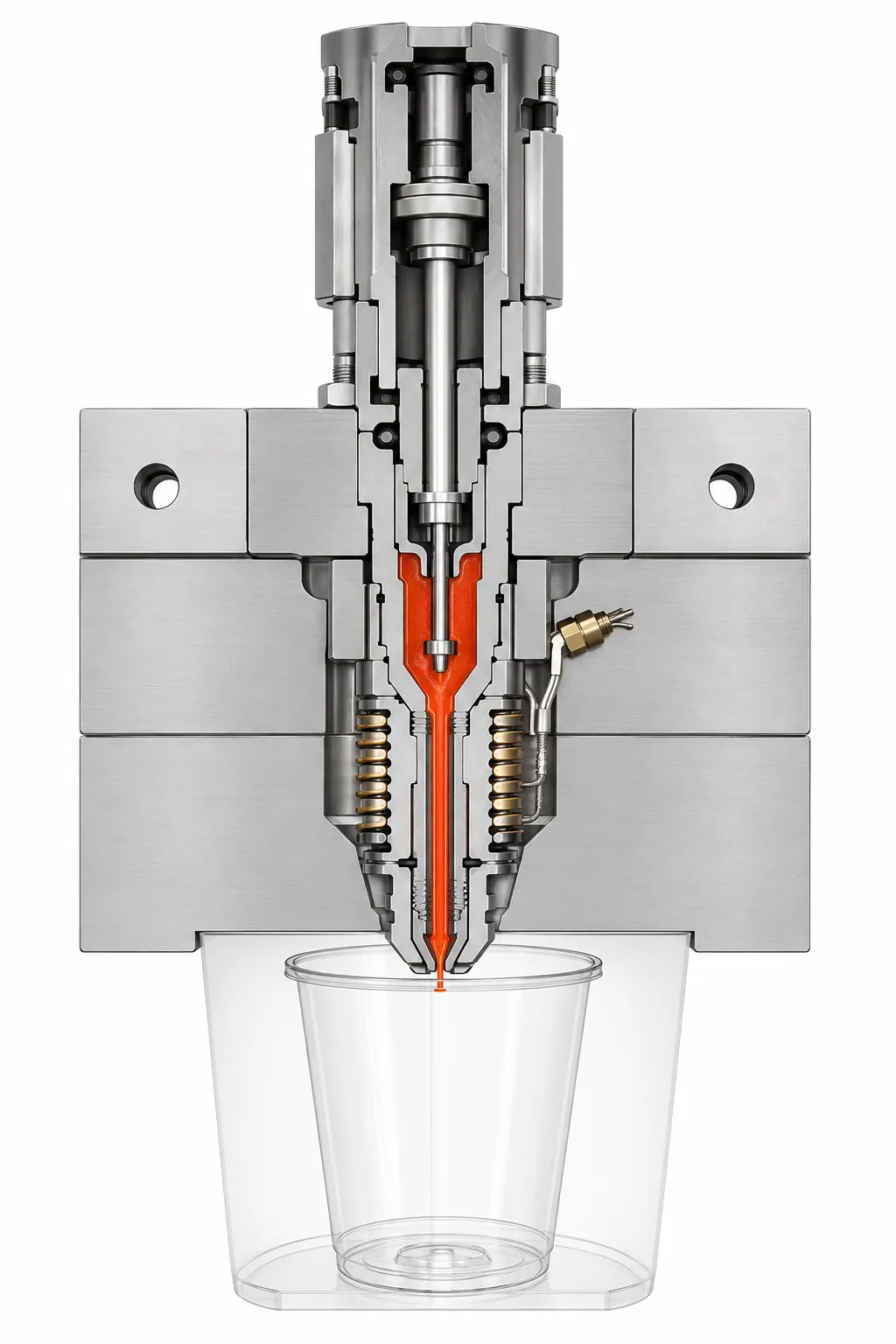
Valve-gate hot runner section integrated into an IML mould
System assembly · hot runner, cooling and mould interfaces coordinated

06 / Assembly and hot runner

Machined parts become one production system.

Hot runner, cooling circuits, inserts, sliders, ejection and moving interfaces are assembled against the approved design intent.

Assembly feedback is recorded before the mould enters the trial machine, reducing avoidable correction loops during validation.

  • Valve-gate integration
  • Cooling circuit review
  • Moving and service interfaces checked
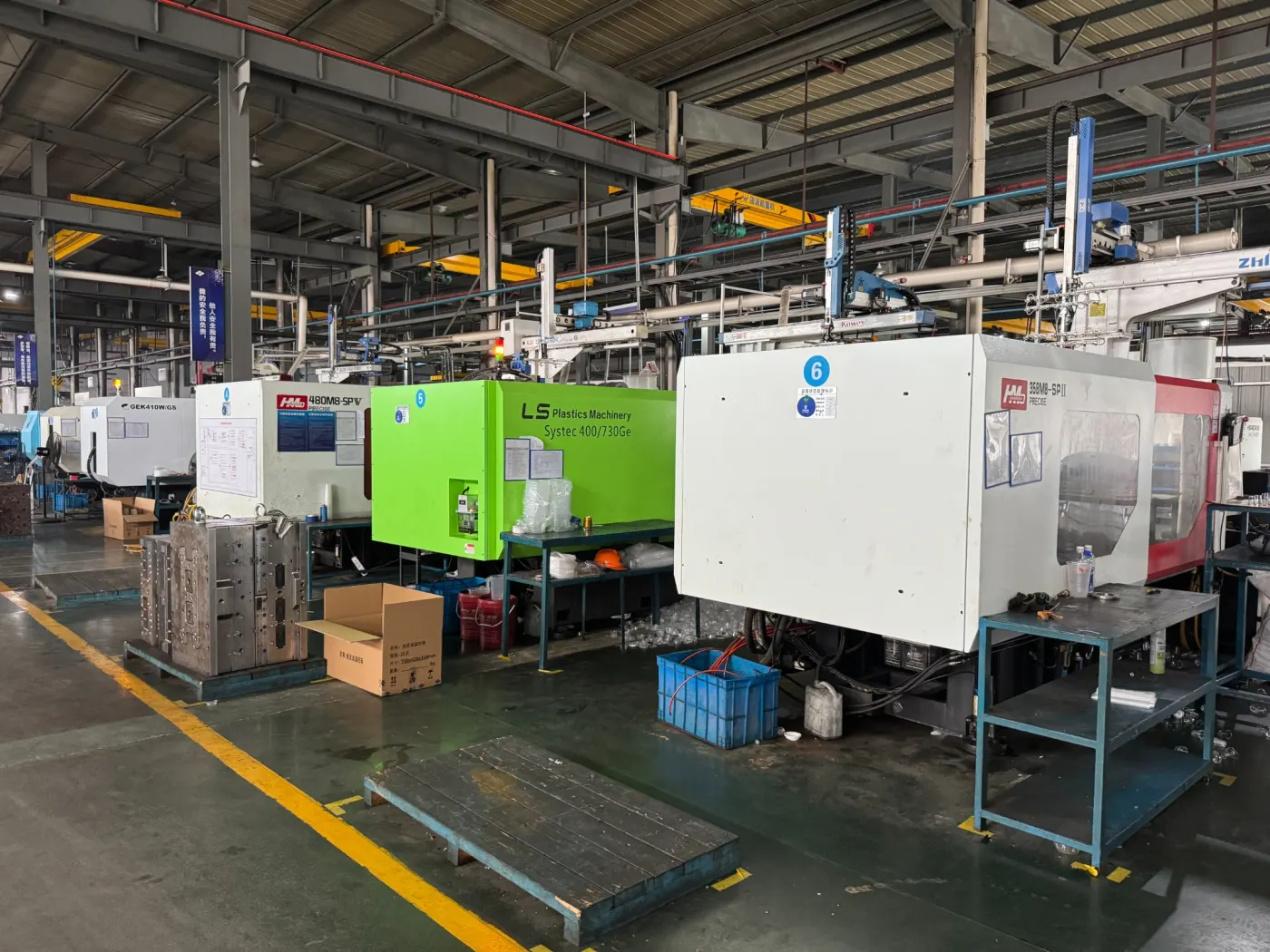
Hengqi injection mould trial machine line
Mould trial · filling, ejection, cycle and samples reviewed before delivery

07 / Trial and samples

The final phase tests the mould against the real production requirement.

Trial work reviews filling balance, product dimensions, IML result, ejection, cycle window and representative samples.

The objective is a validated production result—not only a mould that opens and closes.

  • Filling and weight balance
  • Product and label result
  • Representative trial samples

60-day delivery roadmap

Five phases with an engineering output at every handoff.

The reference project used a connected schedule. Final timing is confirmed after the buyer's product and acceptance requirements are reviewed.

01

Design release

Product, mould concept and approval points are confirmed before steel commitment.

02

Manufacturing

Mould base, rough machining, heat treatment and geometry follow a controlled route.

03

Precision & assembly

Critical features, component relationships and functional systems are completed.

04

Trial & delivery

Production behaviour and samples are reviewed against the agreed requirement.

Start with the production requirement

A realistic schedule begins with complete production inputs.

Send the application data that affects mould structure and approval timing. Hengqi will map the manufacturing route and project milestones.

Send project information
01Product 2D/3D drawing or physical sample
02Resin, capacity, wall thickness and part weight
03IML label, lid, stacking and sealing requirements
04Target cavities, cycle and hourly output
05Injection machine and automation information
06Required trial material, samples and inspection documents

Buyer questions

Clarify the project before steel is committed.

Is every mould delivered in 60 days?

Sixty days is a real IML yoghurt cup project reference. The confirmed schedule depends on product complexity, cavity count, steel route, hot runner, automation, trial requirements and buyer approval timing.

What is delivered at the end of the development process?

The project can include the completed mould, trial samples, agreed inspection records, key process information and the documentation defined in the commercial and technical agreement.

When does the buyer approve the mould design?

Product and mould requirements are reviewed before steel commitment. The buyer confirms the agreed product data, mould concept and project-specific approval points before manufacturing proceeds.