 01
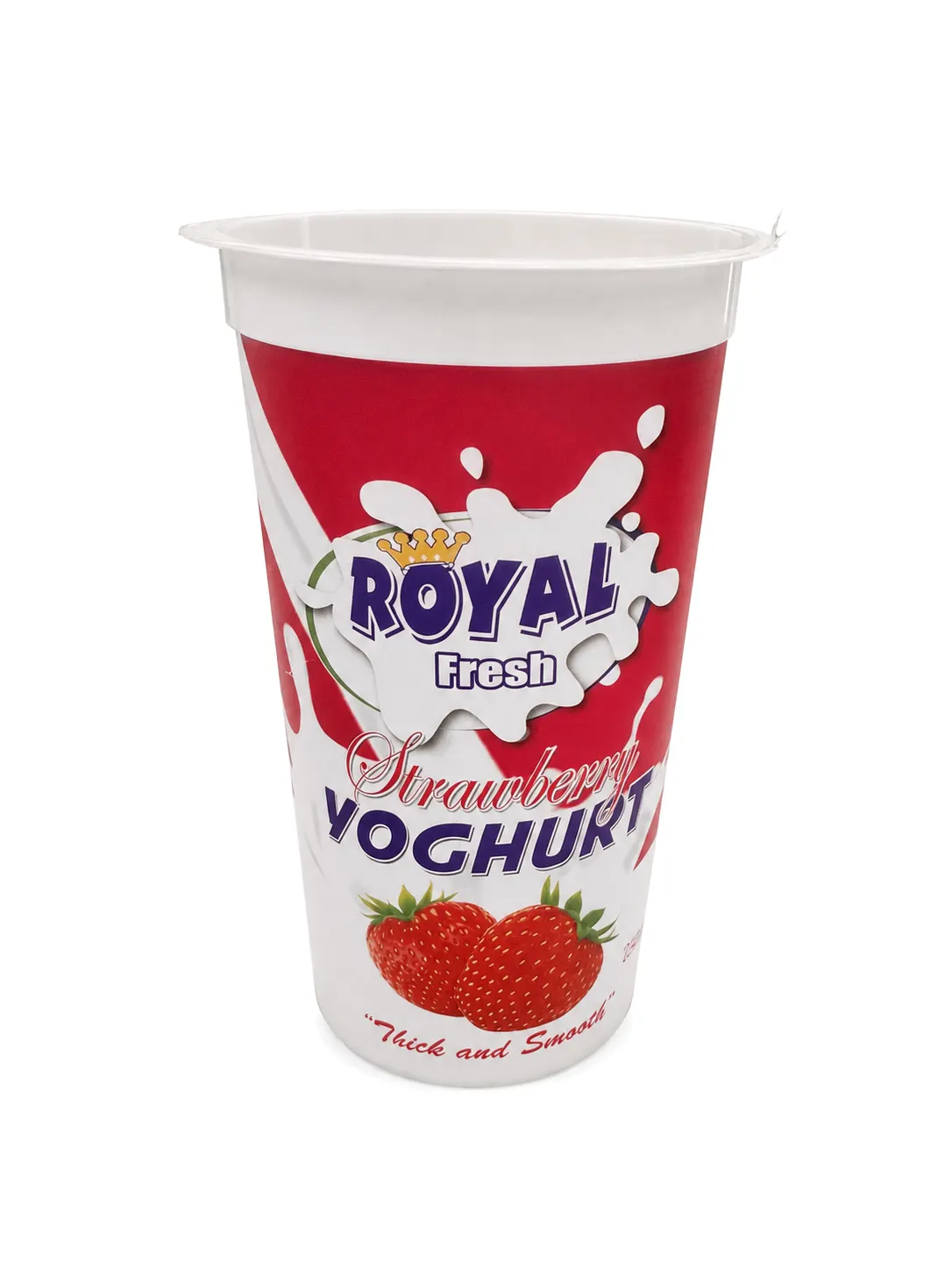
01500ml dairy bucket
500ml IML Yogurt Bucket Mould
A focused IML bucket mould route for dairy packs, covering label control, matching-lid fit, wall balance, robot clearance and continuous production trials.
Review this routeIML bucket moulds for food and dairy
Hengqi develops custom IML bucket moulds for food and dairy packaging, from 500ml yogurt buckets to 2L food pails. We review the bucket, lid, label, optional handle, injection machine, IML robot and output target as one production system.
500ml → 2L
IML bucket formats
Mould + IML
Tooling and automation reviewed together
DFM → Trial
One connected engineering route
Choose your IML bucket format
This page is Hengqi's starting point for custom IML bucket mould enquiries. A 500ml yogurt bucket and a 2L food pail need different cavity, wall, rim, label, lid, handle, robot and stacking decisions. Choose the closest application before requesting a quotation.
01500ml dairy bucket
A focused IML bucket mould route for dairy packs, covering label control, matching-lid fit, wall balance, robot clearance and continuous production trials.
Review this route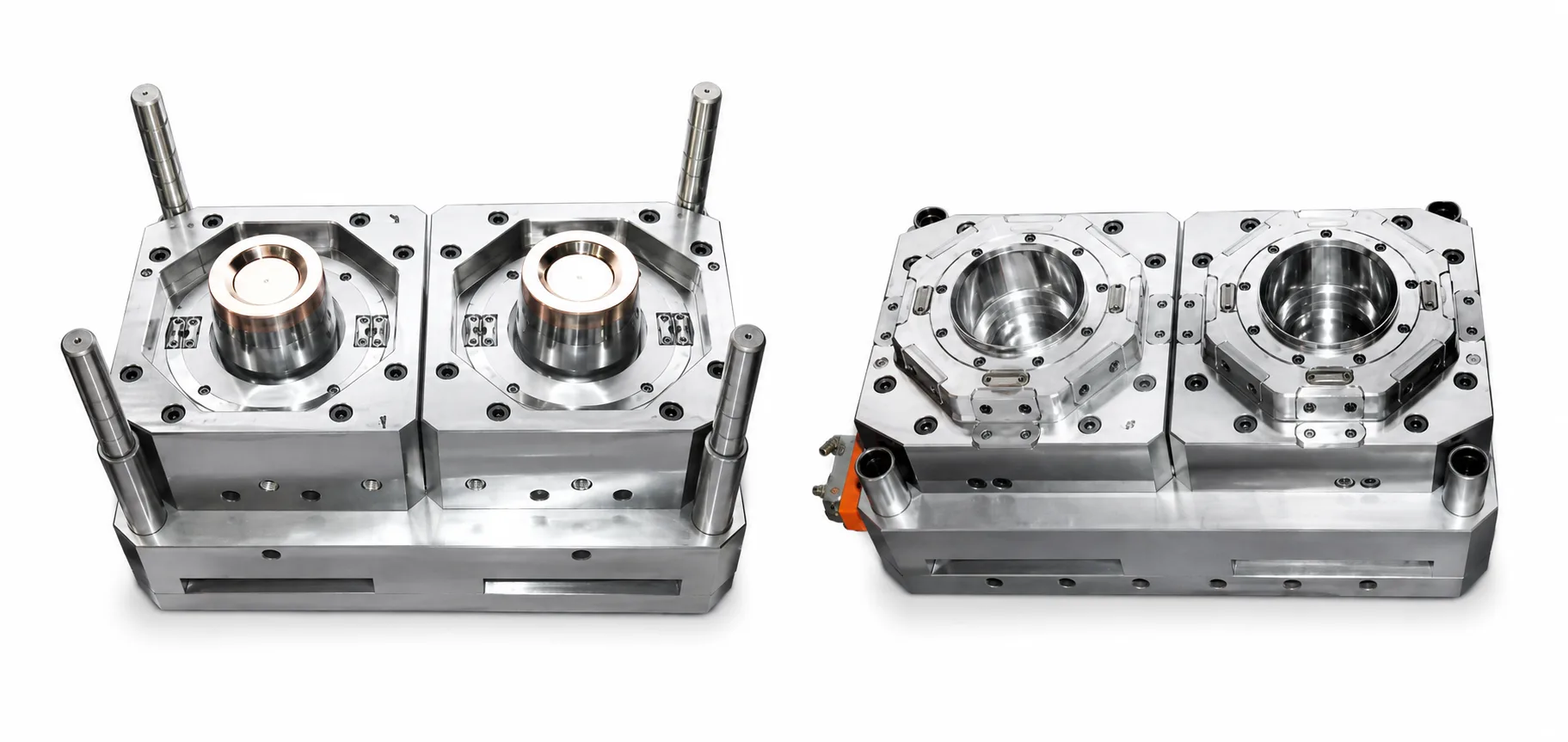 02
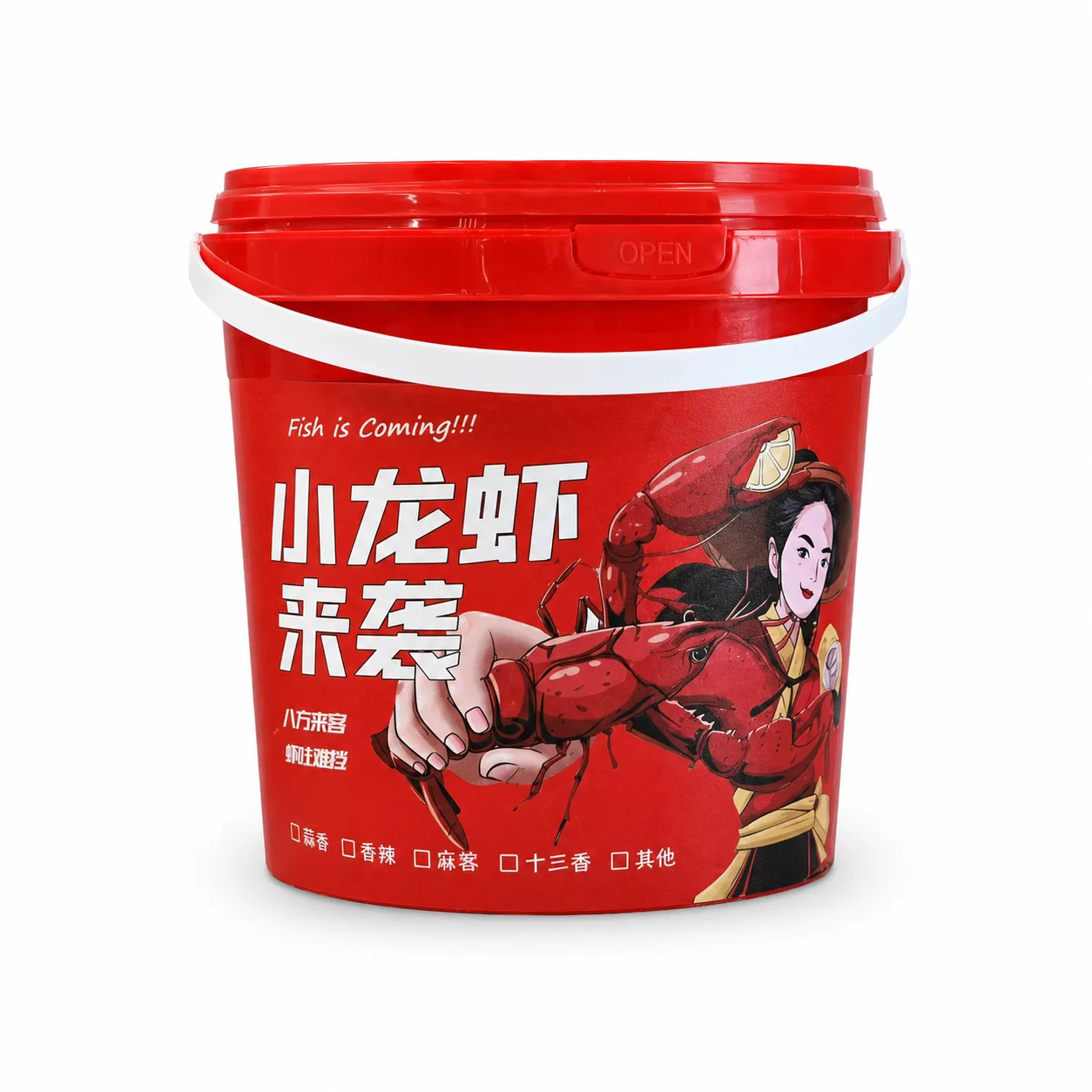
022L food pail
Larger IML bucket mould tooling reviewed around sidewall stiffness, rim roundness, optional handle lugs, robot reach, shot size and stacking load.
Review this route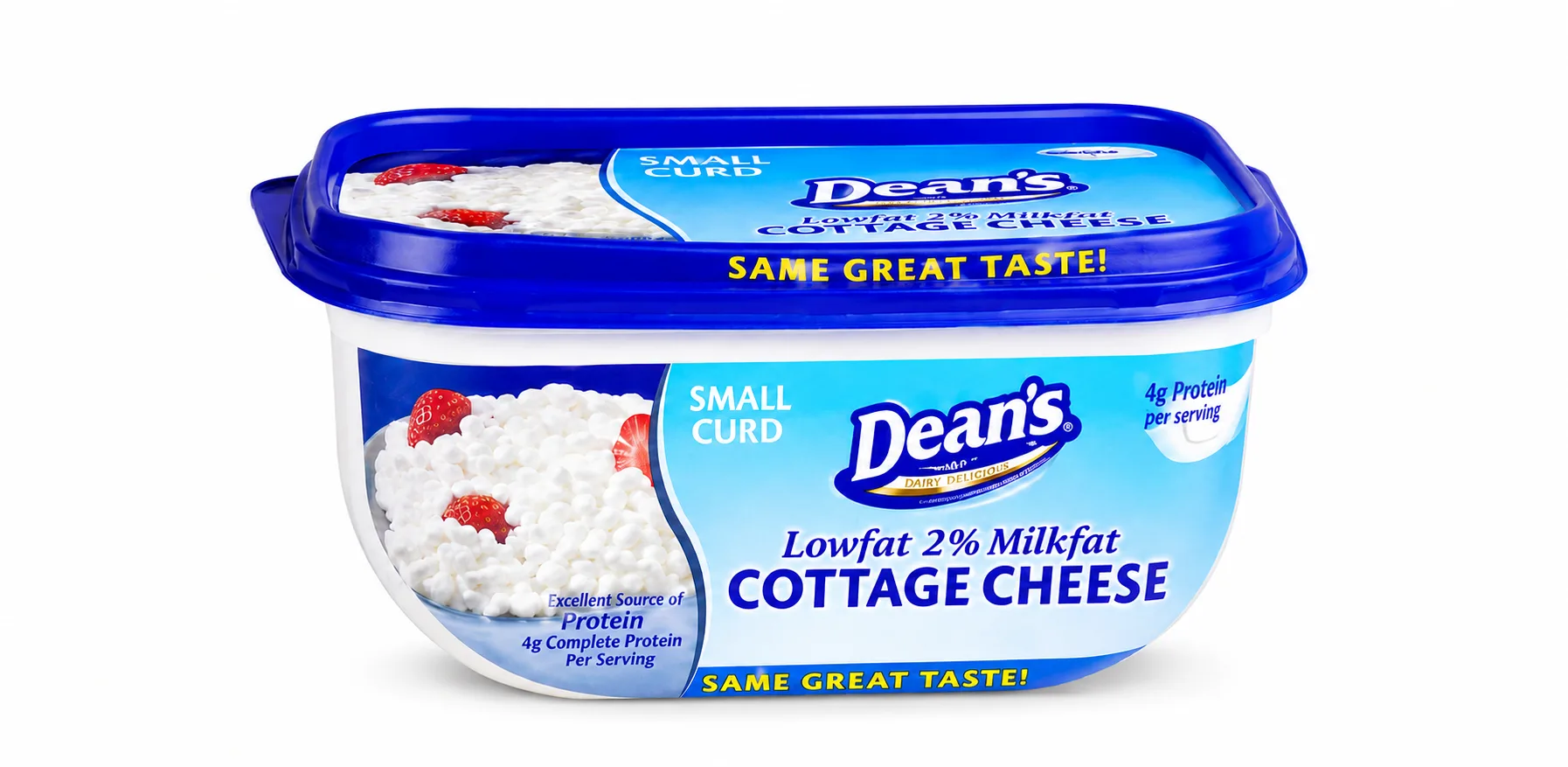 03
03Retail dairy container
Round or rectangular cheese-container tooling where shelf-facing artwork, lid closure, flatness and filling-line handling are linked.
Review this route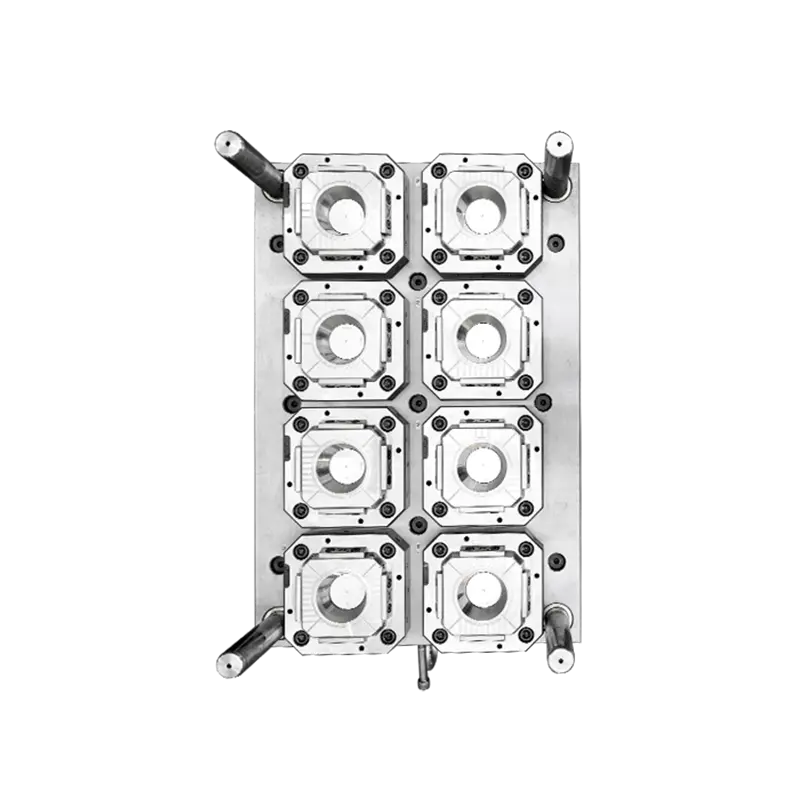 04
04Cups and small tubs
Thin-wall cup tooling for yogurt, ice cream and dairy packs where label placement, rim flatness and stack release must remain stable at speed.
Review this route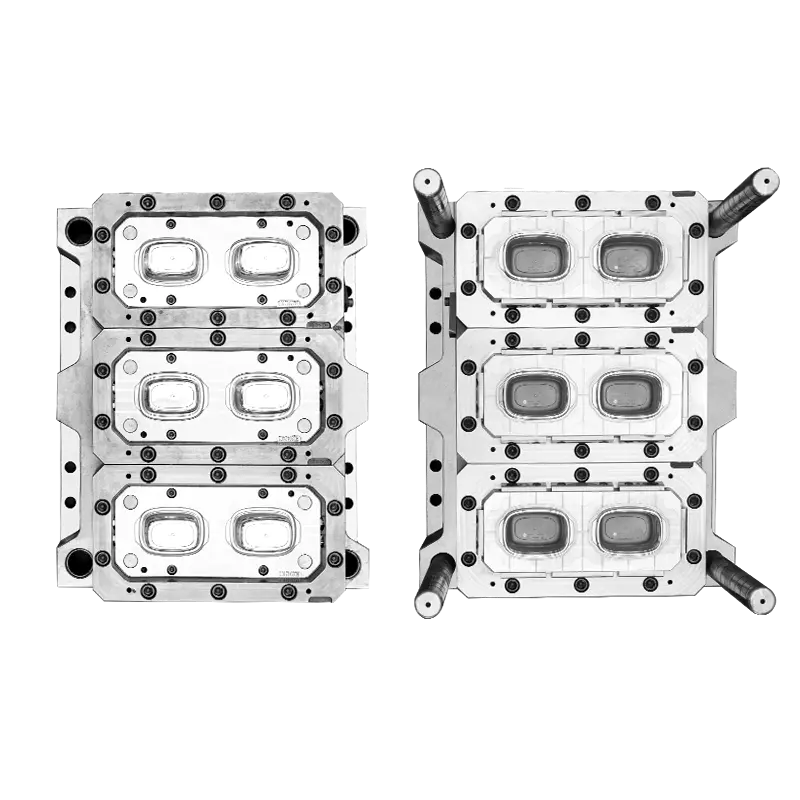 05
05Thin-wall box systems
Round, square and compartment packaging moulds for projects that may add IML after wall, rim, corner filling and ejection are defined.
Review this route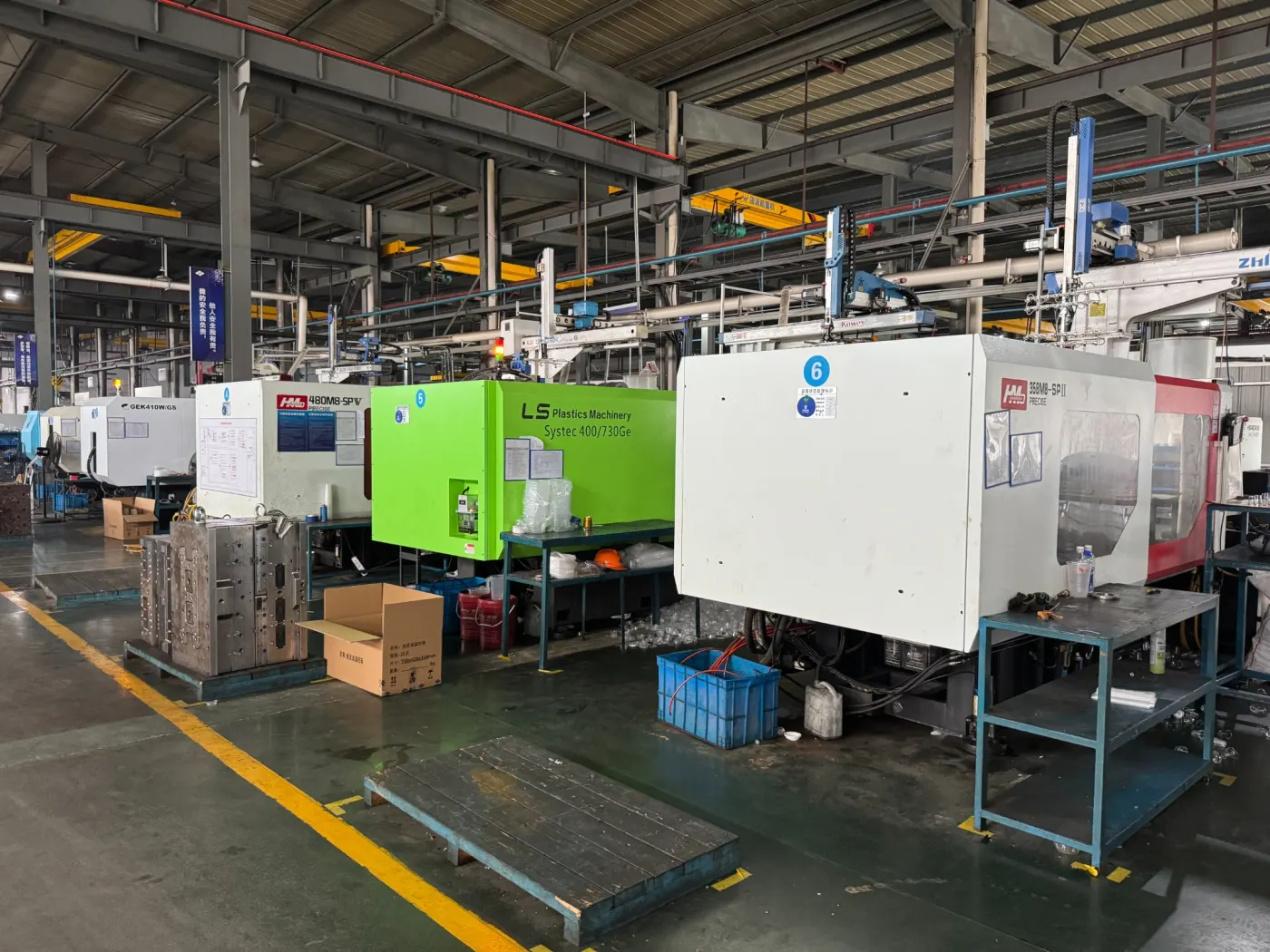 06
06Compare applications
Compare coffee lids, square food boxes, yogurt buckets, 2L buckets and cheese packs before sending the drawing for engineering review.
Review this route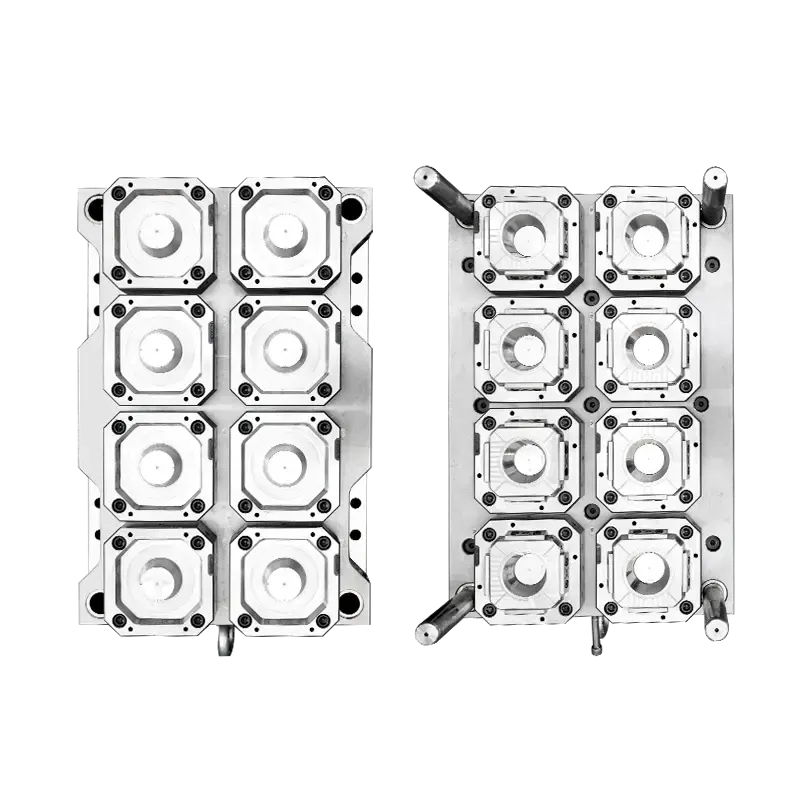
Manufacturing evidence
Real open-tool reference showing the cavity layout, service space and robot-access relationships that must be resolved before production.
The IML bucket production system
The bucket, label and automation must be released as one system. An IML bucket mould can fill plastic correctly and still fail on the production line if the label curls, the robot has insufficient clearance, the rim deforms or the bucket cannot stack after ejection.
Draft, rim, ribs, visible surfaces, label seam and overlap are reviewed together so the artwork can sit on a mouldable, repeatable bucket.
Cavity pitch, mould opening, side-entry or top-entry motion, static or vacuum holding and take-out path are checked before steel release.
Gate position, flow balance and cooling are matched to the bucket wall and label area to reduce deformation, weak zones and visible defects.
Lids, sealing rims, optional handles, stacking and packing conditions are treated as functional inputs rather than changes added after mould trial.
Label position, cavity balance, dimensions, ejection, robot stability and continuous output are reviewed together during acceptance trials.
Project definition
Generic requests such as “an IML bucket mould” leave the most expensive decisions undefined. Three input groups allow Hengqi to map a practical route and avoid comparing quotations that describe different systems.
01 / Package
Share bucket capacity, CAD or samples, product weight, resin, lid or handle, stack height, filling condition and transport requirement.
02 / IML system
Confirm artwork size, label film, overlap, loading direction, holding method, robot model and any downstream take-out or stacking equipment.
03 / Production
Machine tonnage, shot capacity, tie-bar space, injection speed, cooling supply and hourly target determine the realistic cavity layout.
Translate the bucket, label, closure, robot, machine and output target into controlled engineering inputs.
Confirm wall, rim, cavity layout, hot runner, cooling, ejection, label holding and automation clearances.
Machine, finish and inspect the core, cavity, mould base and assembly-critical interfaces before fitting.
Validate samples, label result, closure, ejection, stacking, robot motion and the agreed continuous process window.
Quote-ready inputs
A complete drawing package is helpful but not required for the first review. A clear sample photo plus production conditions can establish the next engineering questions.
Buyer FAQ
Start here for 500ml IML yogurt bucket moulds and 2L IML food-pail moulds, then move to the closest detail page for the actual format. Related IML cups, dairy tubs and cheese boxes are included where the label, closure and automation requirements overlap.
The 2L format usually has greater projected area, shot weight, wall-stiffness, rim, lid, optional-handle, robot and stacking requirements. Cavity count, cooling, mould size and take-out sequence must be calculated from the actual bucket and production line rather than copied from a smaller dairy bucket.
Yes. Provide the robot model, label loading direction, arm or mandrel dimensions, mould-opening requirement and take-out sequence so cavity pitch and access can be reviewed before the mould layout is fixed.
Cavity count depends on bucket projected area and weight, machine shot capacity and tie-bar space, injection speed, cooling, robot cycle and the required hourly output. It should be calculated rather than copied from another package.
Review cavity-to-cavity weight and dimensions, label position and adhesion, closure fit, wall stability, ejection, robot placement, stacking and an agreed period of continuous production under recorded settings.
Differences often come from steel grade, cavity count, hot runner layout, cooling design, label-holding method, robot clearance, spare parts, trial scope and whether lid, handle or closure validation is included. Comparing only the bucket capacity can hide those engineering differences.
500ml IML Yogurt Bucket Mould
Review the dairy-bucket route for label control, matching-lid fit, robot clearance and continuous IML trials.
Open page2L IML Bucket Mould
Review the food-pail route for wall stiffness, rim and lid fit, optional handles, robot reach and stacking load.
Open pageMould Manufacturing Capabilities
See the connected engineering, machining, hot runner, inspection and trial system.
Open pageMould Development Process
Follow the controlled route from product review and steel preparation to sample validation.
Open pagePrecision Machining Center
Review real CNC, five-axis, finishing and component evidence from Hengqi.
Open pageCMM Inspection
Understand how functional datums and assembly-critical relationships are verified.
Open pageIML Cup Moulds
Compare cup and small-tub IML tooling when the package format is not a bucket or pail.
Open pageStart with the actual package