Large-format IML food packaging

2L IML Bucket Mould for Wall Strength, Lid Fit and Automated Labeling

A 2L bucket project must connect container stiffness, rim and lid fit, optional handle features, IML label holding, machine capacity and robot speed. Hengqi reviews these relationships before defining the mould structure and quotation.

Reference capacity

2 litre food, dairy or ingredient bucket

Decoration

Full-wrap or partial IML by product design

Cavity direction

Usually 1–2 cavities after machine review

Key interfaces

Rim, lid, optional handle and stacking

Material

Food-grade PP or project-specified resin

Automation

IML robot, part take-out and stacking matched to line

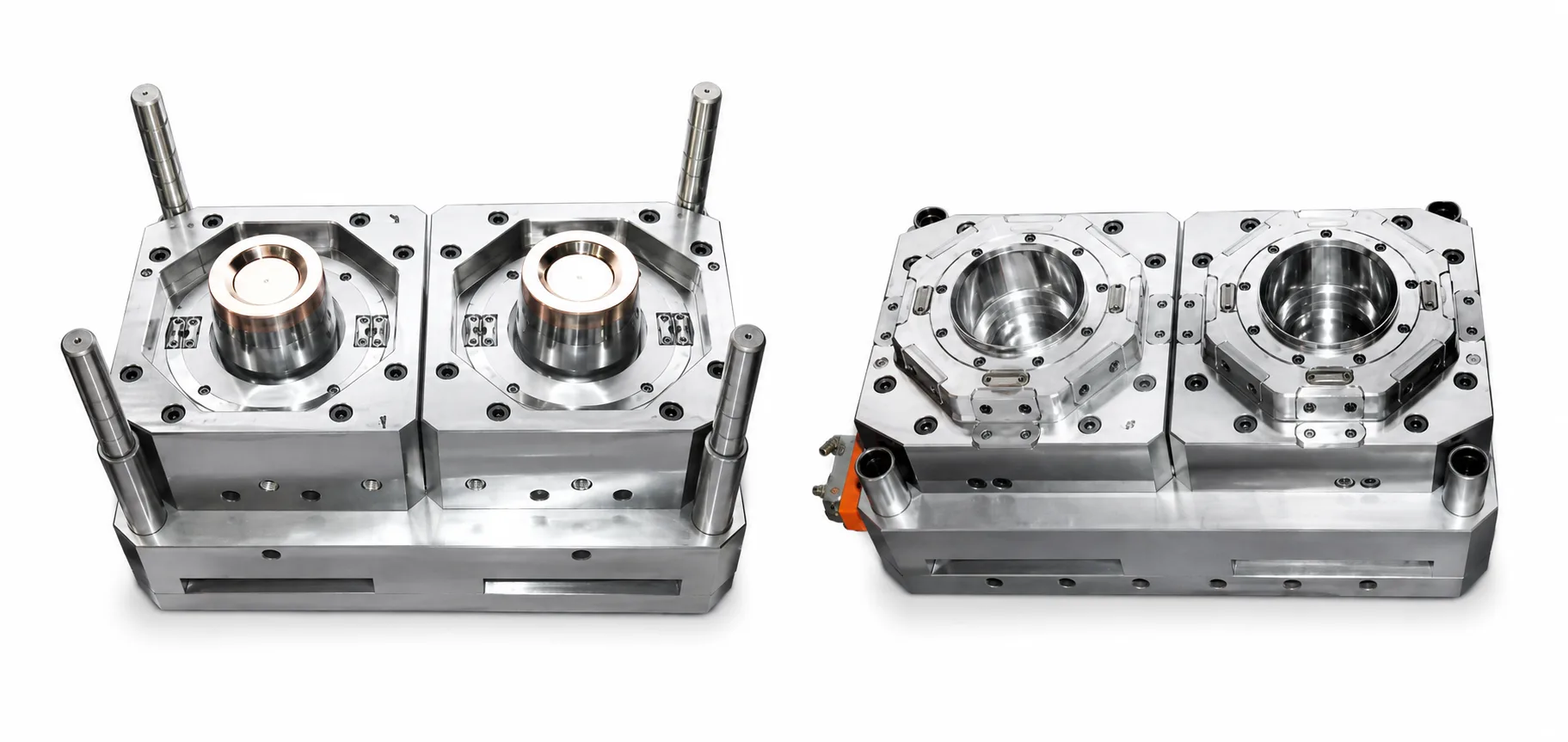
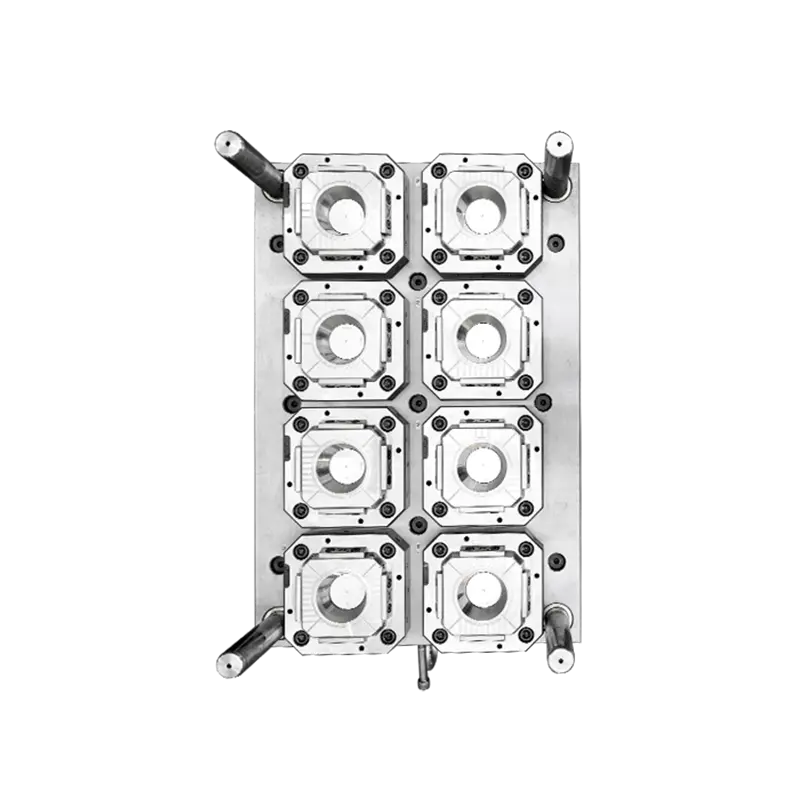
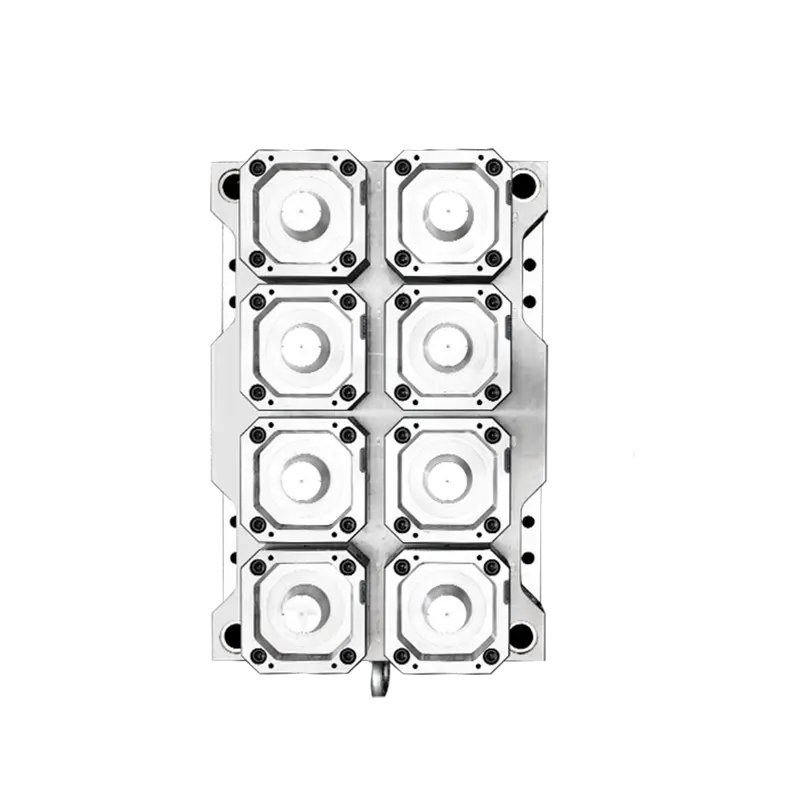
Open IML packaging mould as 2L bucket tooling reference
Representative Hengqi IML tooling. The final 2L bucket cavity, lid and handle interfaces are developed from the buyer's drawing and line conditions.

Suitable buyer applications

Dairy, ice cream and ingredient bucket manufacturers

Food packaging factories upgrading to IML

Producers needing 2L retail or food-service packs

Buyers developing bucket, lid and handle systems

03 / Visual engineering story

See how product requirements move through the mould project.

Each stage below pairs the engineering decision with a real product, tooling or factory image. This makes it easier to understand what Hengqi will review and manufacture for the project.

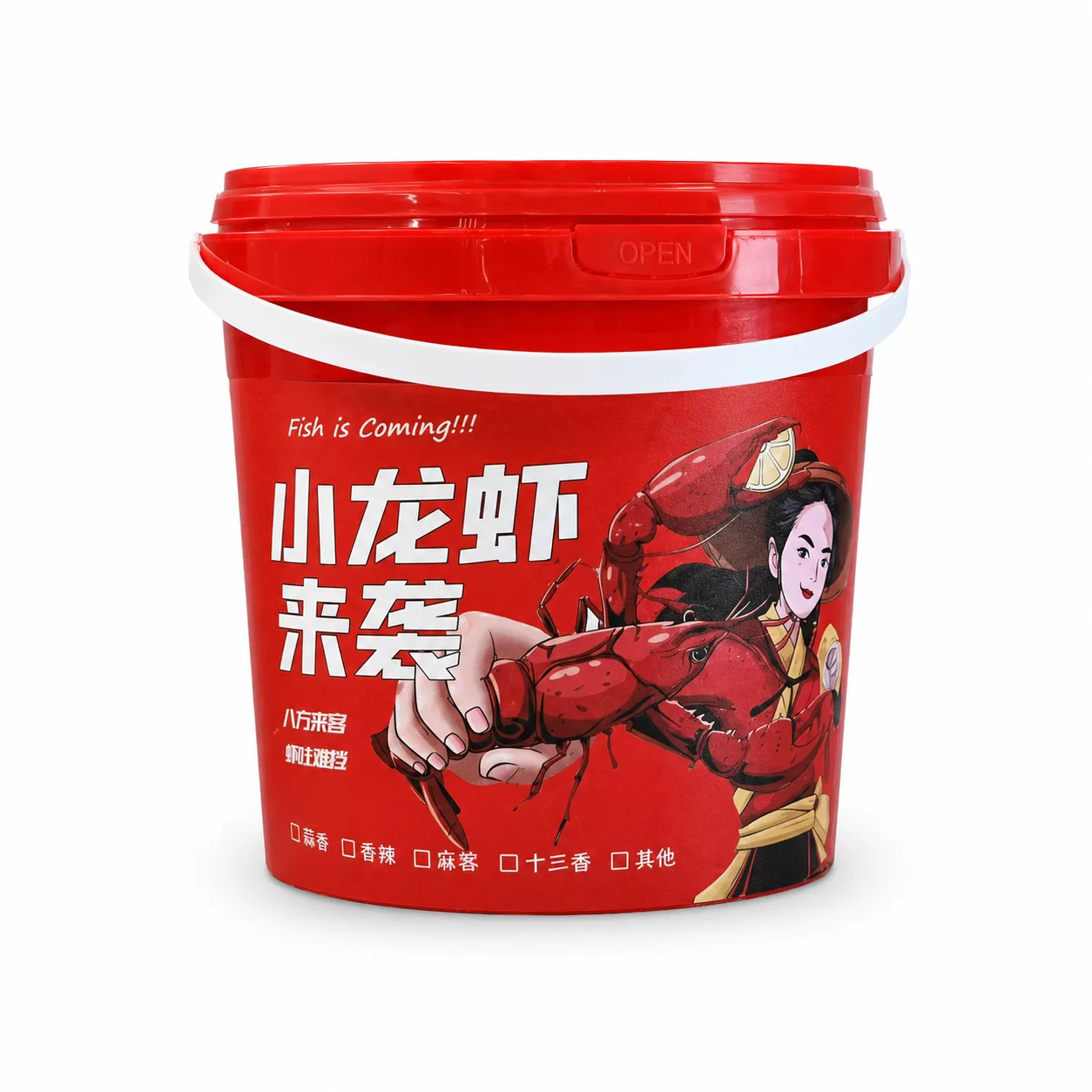
Two-litre container mould reference
Related two-litre container mould reference for size, wall and machine review.

01 / Large-format product structure

A 2L package needs enough stiffness at the wall, bottom, rim and handle areas.

Related 2L container tooling helps explain how projected area, flow distance, rim geometry and product weight influence the mould. The final bucket shape and handle lugs are developed from the buyer's own drawing.

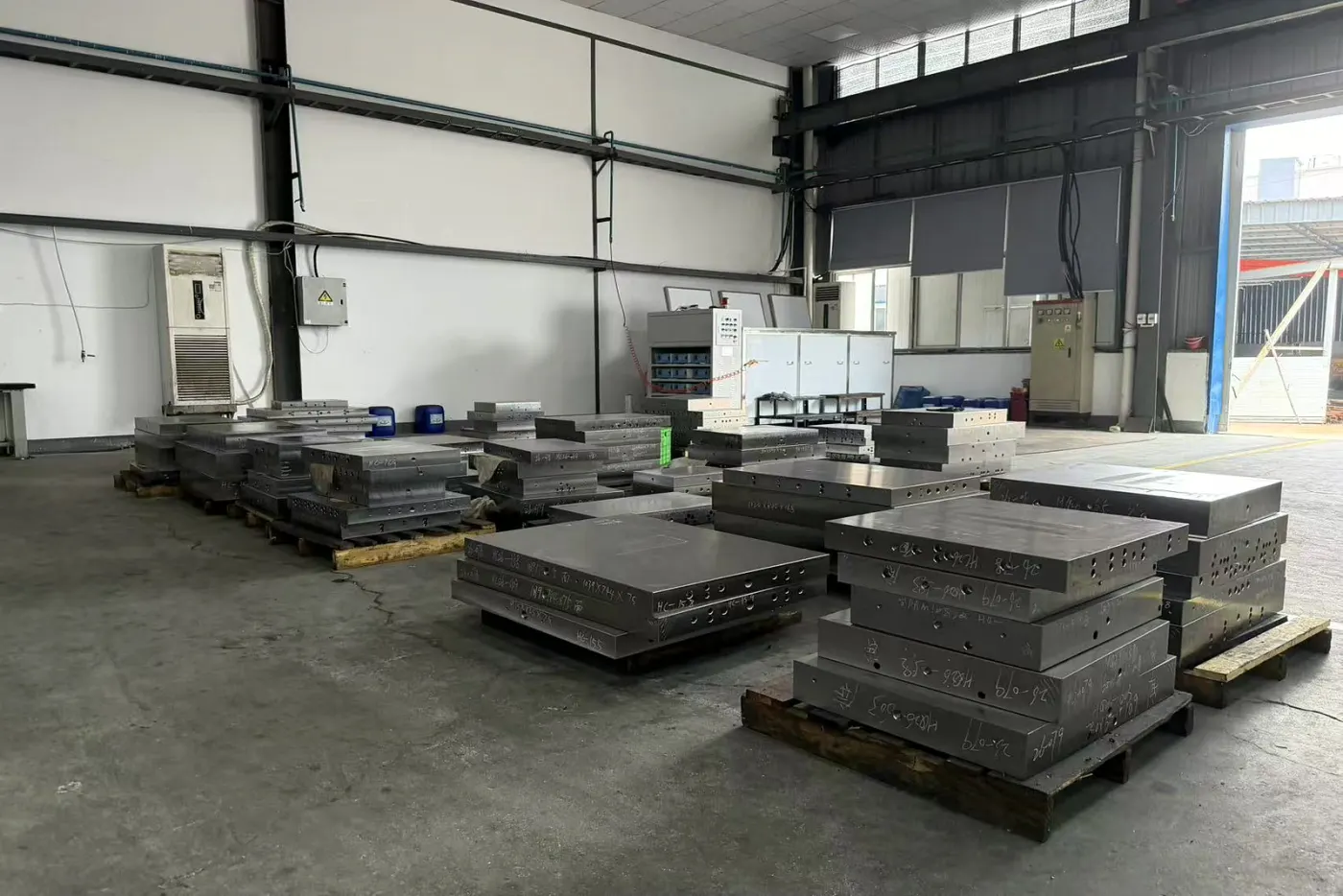
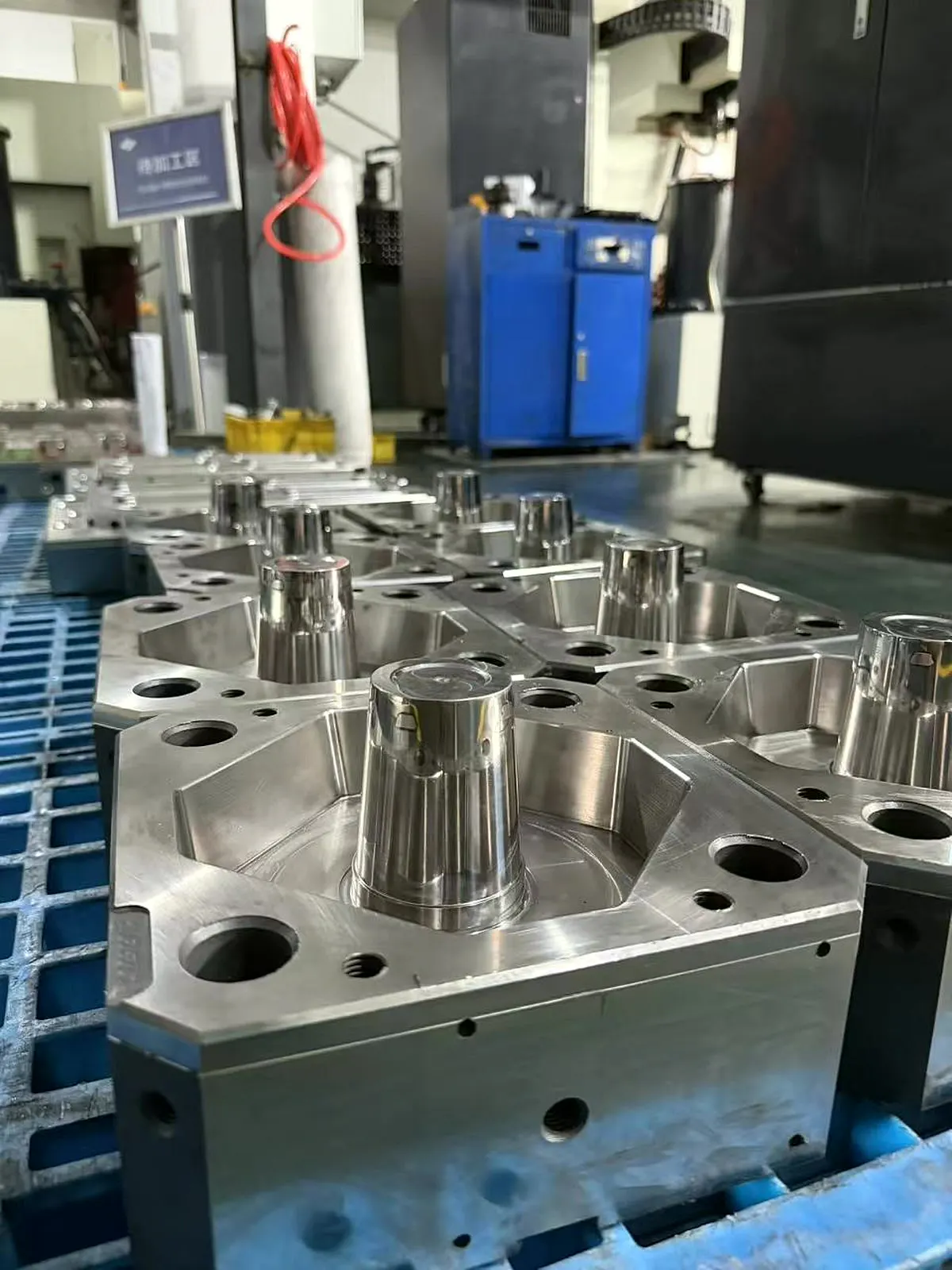
Mould-base plates in the manufacturing workshop
Mould-base preparation before precision core and cavity assembly.

02 / Mould-base preparation

Larger mould components begin with controlled reference faces and hole layouts.

Mould-base plates, mounting, cooling and ejector features are prepared against the released design. Stable datums reduce accumulated error when the core, cavity, hot runner and moving interfaces are assembled.

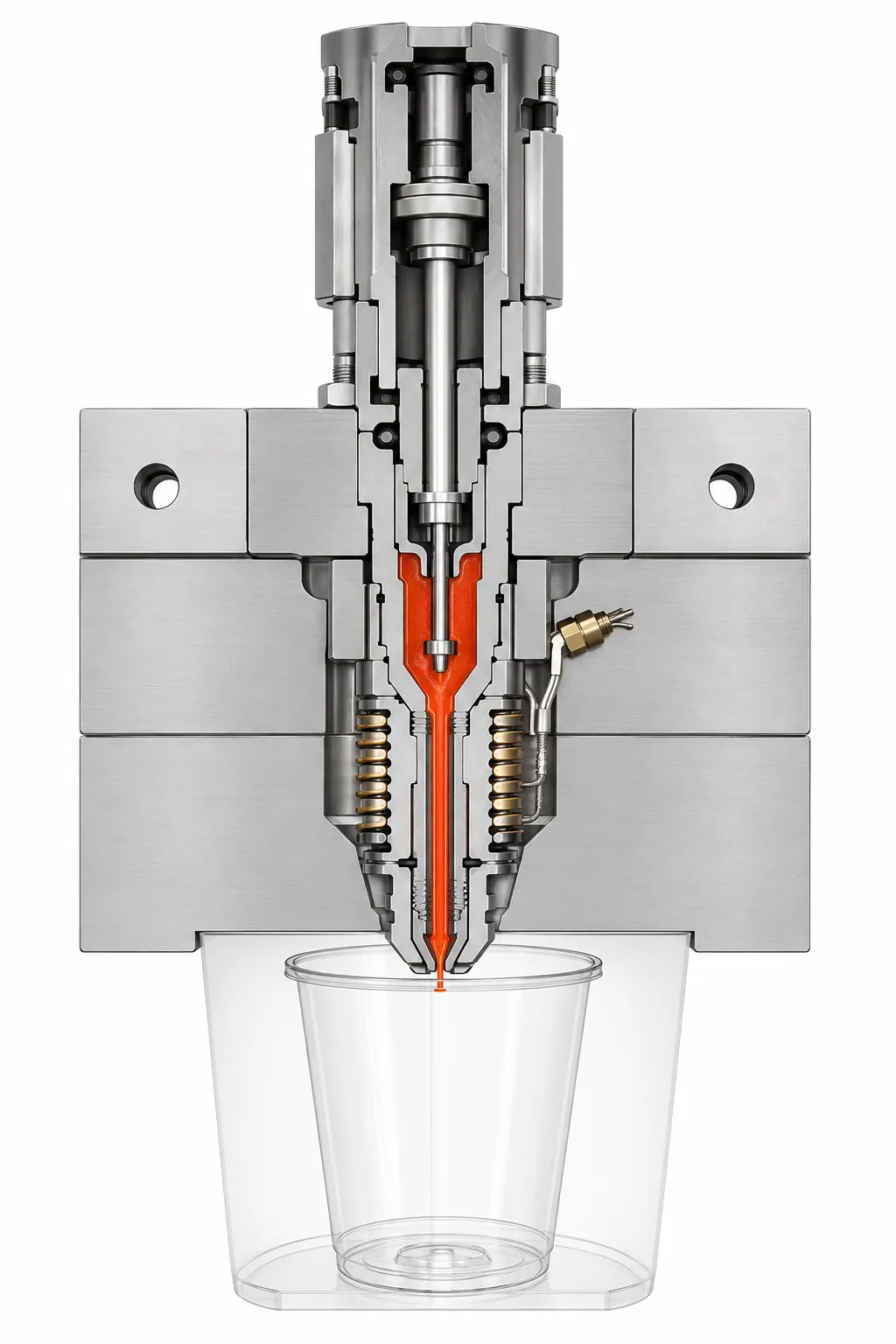
Valve-gated hot runner system for packaging mould
Hot runner section reference for controlled melt delivery and service access.

03 / Melt delivery

The hot runner is sized around a larger shot and longer flow requirement.

Manifold geometry, nozzle selection, gate position and temperature control are matched to the 2L bucket. Cooling and injection capacity are evaluated at the same time so cavity count remains practical.

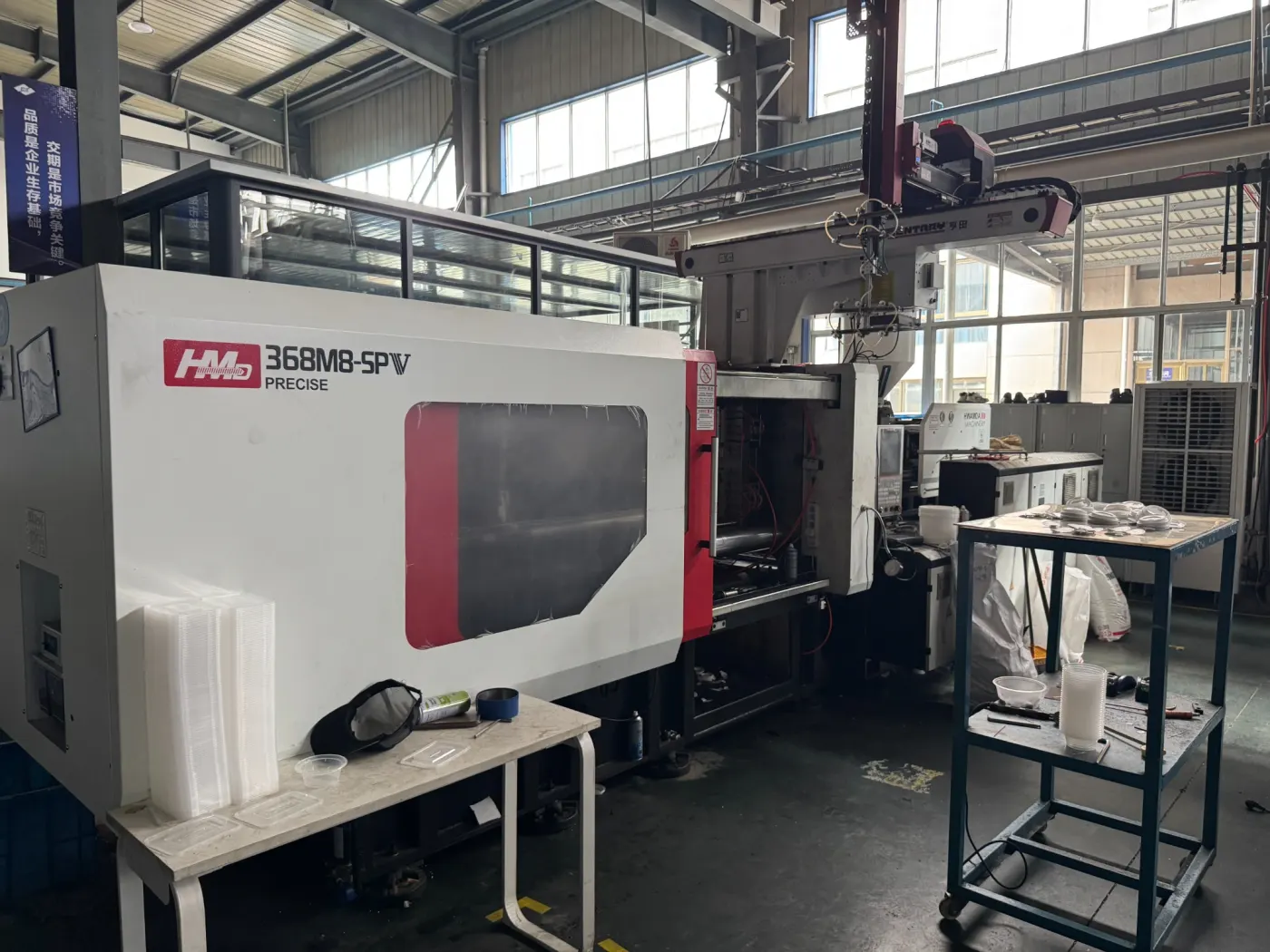
High-speed injection machine for packaging mould trial
High-speed mould trial platform used for process and handling validation.

04 / Robot & trial validation

A large IML bucket must release, transfer and stack without damaging the label.

Trial work checks bucket stiffness, rim and lid fit, handle areas, label placement, robot grip and nested release. The agreed production window is confirmed during continuous running rather than a short manual test.

01 / Engineering review

The mould proposal starts with production conditions—not only product shape.

A useful tooling proposal must connect the product, resin, machine, automation and output target. These review points make the quotation more specific and reduce correction loops after steel is ordered.

Wall stiffness vs. weight

Ribs, draft, thickness distribution and resin are reviewed so the 2L bucket remains usable without unnecessary material.

Rim & lid relationship

Roundness, shrinkage, closure force and sealing geometry are reviewed with the matching lid and filling conditions.

Handle interface

If a handle is required, lug strength, assembly direction, local stress and stacking clearance must be included in the product review.

IML label control

Label dimensions, overlap, holding method, robot access and ejection are matched to the larger product surface.

Machine capacity

Projected area, shot size, injection speed, tie-bar spacing and cooling capacity determine the practical cavity layout.

Handling & stacking

Robot grip, part release, nested stacking and downstream packing are checked against the bucket shape and label surface.

02 / Tooling evidence

Review the mould and manufacturing route before starting the project.

The images below are real Hengqi tooling or production references. They show the type of mould structure and manufacturing capability used for application review; the final tooling layout is customized to the actual product.

IML mould core-side tooling reference
Core-side reference for cooling, ejection and product release strategy.
IML mould cavity-side tooling reference
Cavity-side reference for label holding, gate position and surface control.
Complete multi-cavity IML mould assembly
Complete mould assembly reference with hot runner and service interfaces.

04 / Project workflow

Every step should answer a buyer acceptance question.

The project route connects product approval, design, steel, machining, assembly and trial. Exact timing depends on mould complexity, cavity layout, steel and customer approval speed.

  1. 01

    System input review

    Confirm bucket, lid, handle, label, resin, filling use, machine, robot and output target.

  2. 02

    Strength & IML design

    Define wall, rim, handle lugs, cavity layout, label holding, hot runner, cooling and ejection.

  3. 03

    Manufacturing & assembly

    Machine and inspect core, cavity, inserts and interfaces, then assemble the mould system.

  4. 04

    Line-relevant trial

    Review label result, weight, stiffness, rim and lid fit, handle areas, ejection and stacking.

05 / Trial acceptance

Agree on the checks before the mould trial.

Acceptance should reflect the product's actual job on the filling, packing or consumer-use line. Final criteria are confirmed with the buyer before trial.

Bucket weight and wall-thickness distribution
Sidewall stiffness and standing stability
Rim roundness and matching-lid closure
Handle lug geometry and local strength if required
Label position, overlap and adhesion appearance
Cavity balance and dimensional consistency
Robot take-out and nested stacking behavior
Agreed continuous production trial

Information needed for quotation

Better input creates a more practical mould proposal.

A drawing is best, but a clear sample photo and basic production information are enough for the first engineering review.

2L bucket, lid and handle CAD or samples
Capacity, key dimensions and target product weight
Resin grade and filling or storage application
IML artwork, label material and thickness
Target cavity count and hourly output
Injection machine and IML robot details
Stacking, transport and lid-seal requirements
Target cycle and acceptance standards
Send details to Bryan

06 / Buyer questions

Questions to resolve before tooling approval.

These answers provide a practical starting point. Final specifications are based on your drawing, samples, resin, machine and production targets.

Why are most 2L bucket tools one or two cavities?

The larger projected area, shot weight, cooling demand, robot motion and mould size often make one or two cavities more practical. The final layout must be calculated from the actual machine and output target.

Can handle features be included in the bucket design?

Yes. Handle lugs and assembly features can be engineered into the bucket, while the handle itself may use a separate mould and assembly route.

Should the lid mould be quoted at the same time?

It is recommended because rim shrinkage, lid closure and sealing are easier to control when both products are reviewed together.

What is important in a 2L IML trial?

Check wall balance, stiffness, rim and lid fit, handle areas, label position, surface appearance, ejection, robot stability and stacked-product release.