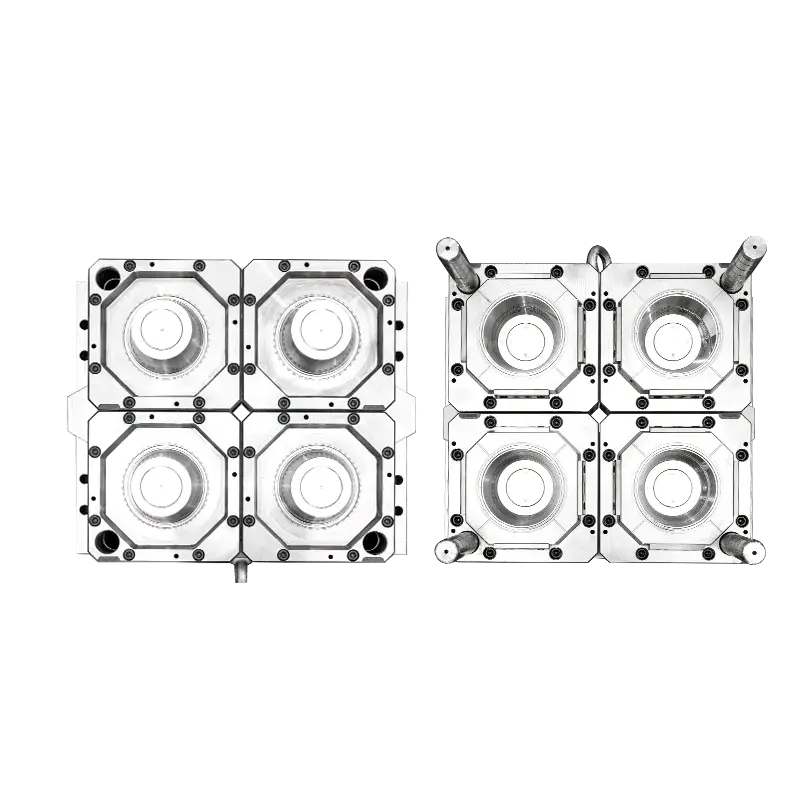
Complete multi-cavity thin wall food container mould prepared for production review

Commercial clarity for packaging-mould buyers

Thin Wall Container Mould Price & RFQ Guide

A reliable mould quotation is built from the approved product, output target and production line. This guide explains the variables behind thin wall container mould price, IML mould cost and food container mould price in China without publishing a misleading fixed figure.

No list priceProduct-specific quotation
Like for likeScope comparison first
Line matchedMachine and robot included
Acceptance ledEvidence before shipment

Visual engineering record

See the people, decisions and production stages behind the claim.

Each section links a real Hengqi image with the engineering purpose it supports. Buyers can understand what is reviewed, what is manufactured and what evidence is checked before delivery.

Open four-cavity round thin wall food container mould
Product scope · container geometry, rim, lid and wall target define the tooling problem

01 / Product definition

The quotation starts with the container, lid and real use condition.

Capacity alone does not define a mould. A 500 ml round bowl, a rectangular takeaway box and a tamper-evident dairy pack can require very different parting lines, rim details, flow lengths, ejection methods and tooling structures.

The drawing or sample should establish the container and matching lid, product dimensions, resin, target weight, wall-thickness range, stacking requirement, sealing expectation, decoration area and filling condition before suppliers are compared.

  • Container and matching-lid geometry
  • Capacity, weight and wall-thickness target
  • Stacking, sealing, hot-fill or tamper requirements
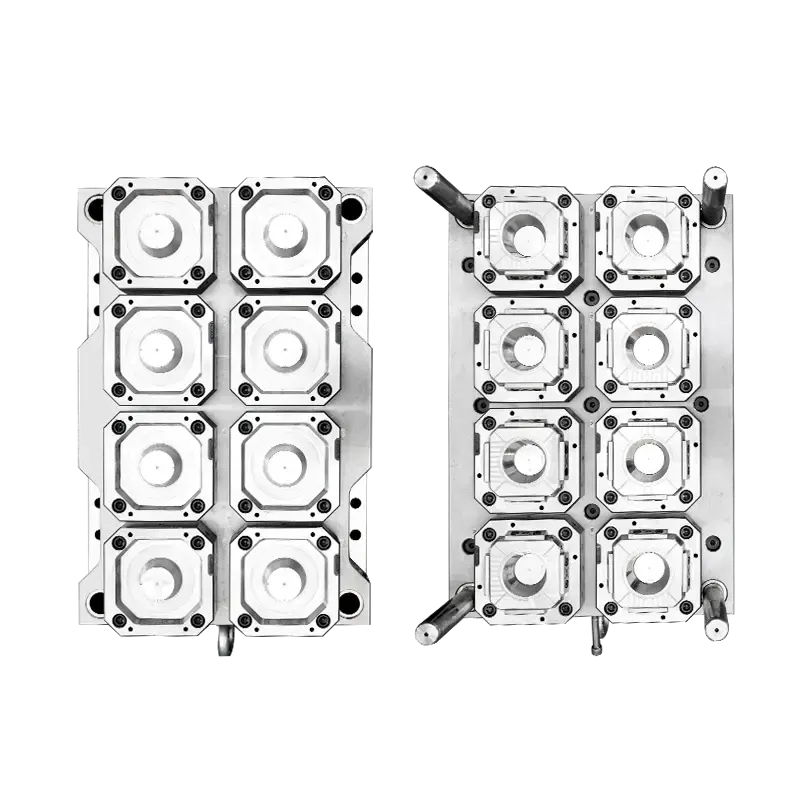
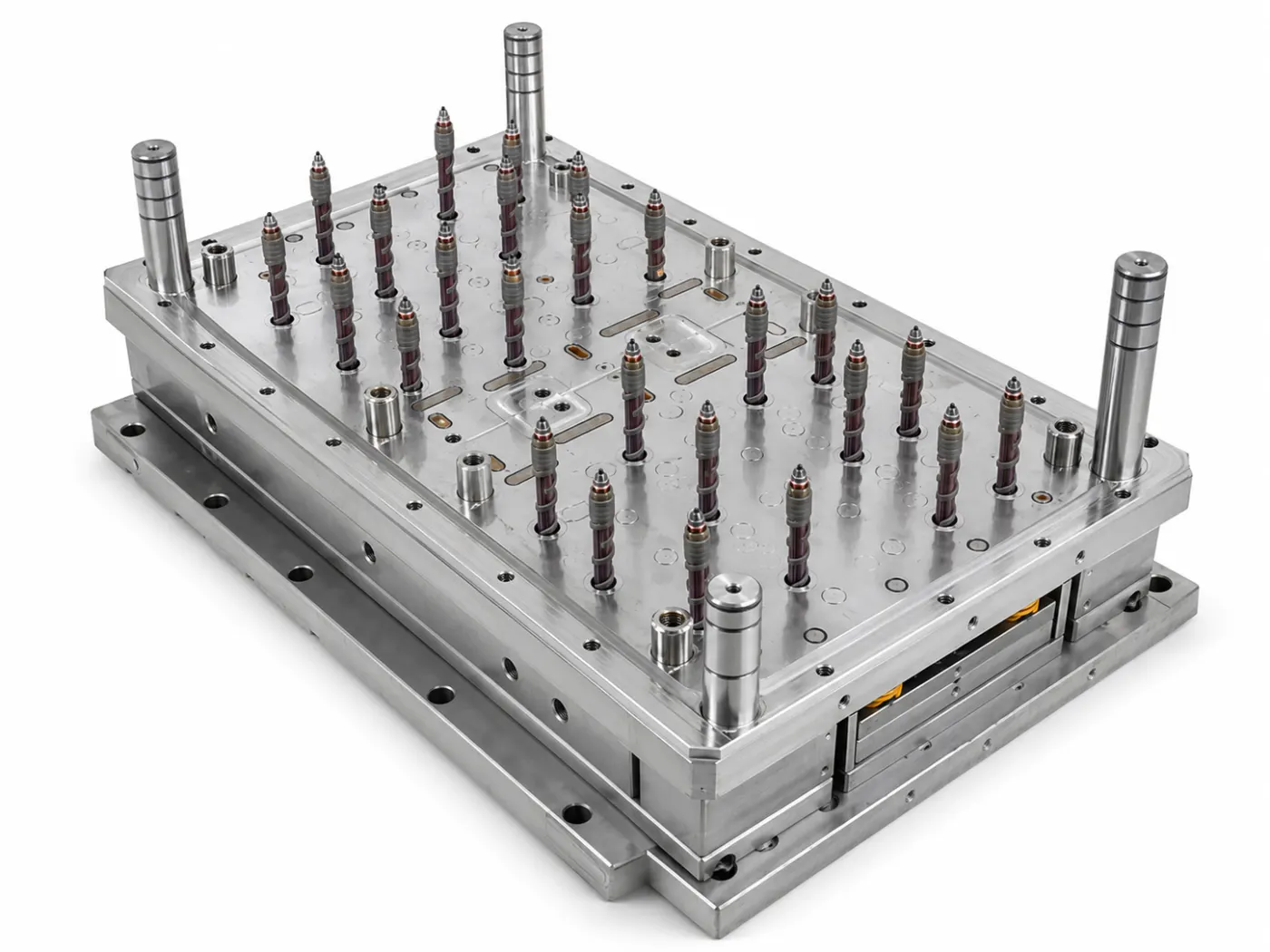
Open multi-cavity thin wall packaging mould used for cavity-layout review
Output architecture · cavity layout reviewed with machine capacity and automation clearance

02 / Cavity and output

Cavity count changes the mould, machine, robot and hourly economics together.

A higher cavity count can raise output, but it also changes mould dimensions, shot size, clamp requirement, hot-runner distribution, cooling demand and automation timing. Quoting cavity count without the available machine and required hourly output can create a technically impressive but impractical proposal.

Compare the production assumption behind each quote: target output, stated cycle basis, planned machine, resin, part weight, cooling-water condition and whether the cycle is a trial objective or an accepted production result.

  • Practical cavity count for the available line
  • Shot capacity, tie-bar spacing and platen fit
  • Cycle and hourly-output assumptions stated clearly
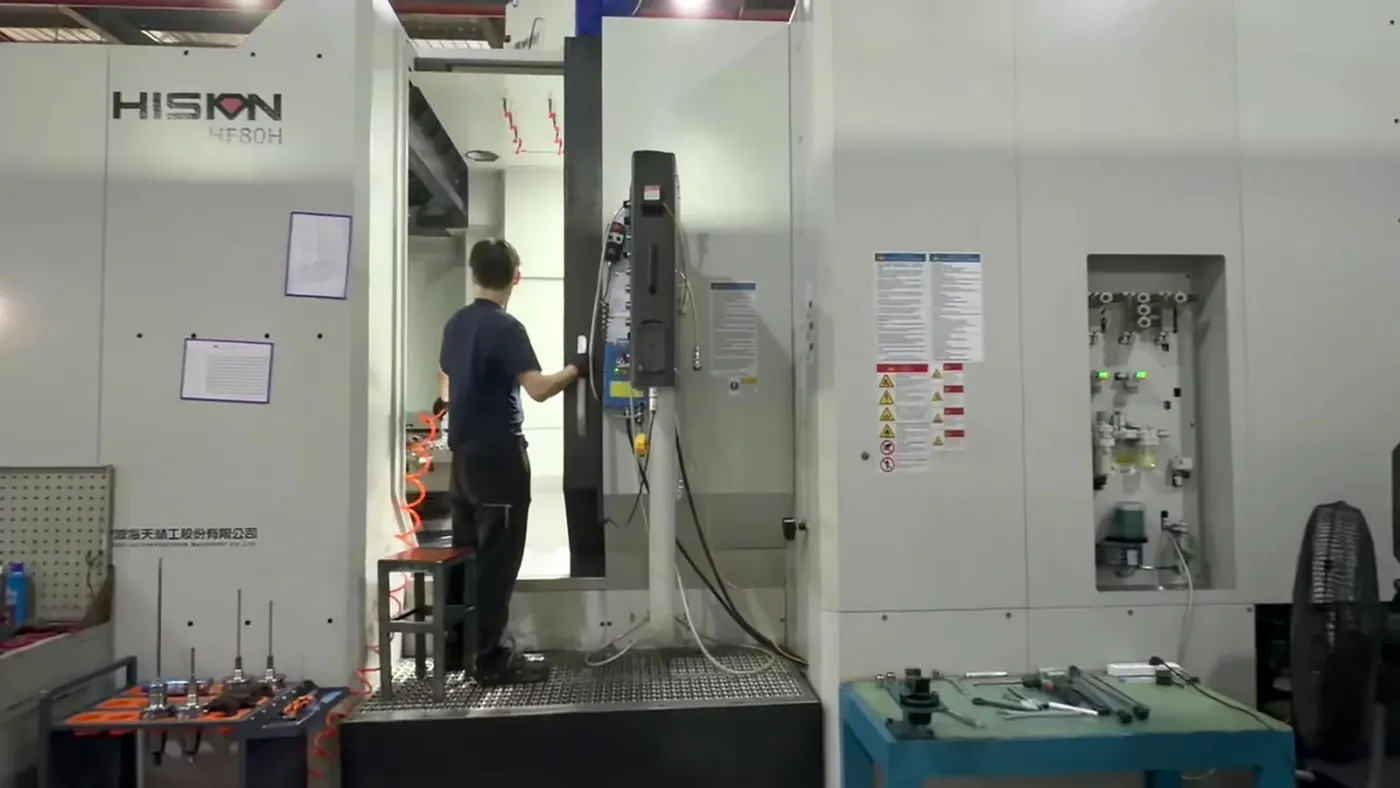
Five-axis machining of precision food container mould components
Manufacturing scope · steel, machining, inspection and insert strategy shape lifecycle value

03 / Steel and manufacturing

Steel specification and insert strategy determine more than the purchase price.

The quotation should identify mould-base and core-cavity steel grades, hardness or heat-treatment route, replaceable inserts, wear components and the precision-manufacturing scope. A brand name alone is not enough if the actual grade, treatment and component application are unclear.

Machining route, datum control, polishing, fitting and inspection affect how consistently thin walls, sealing rims and moving interfaces are produced. These choices influence repairability, replacement lead time and long-run stability.

  • Exact steel grades and heat treatment
  • Replaceable core, cavity and wear inserts
  • Machining, polishing and inspection deliverables
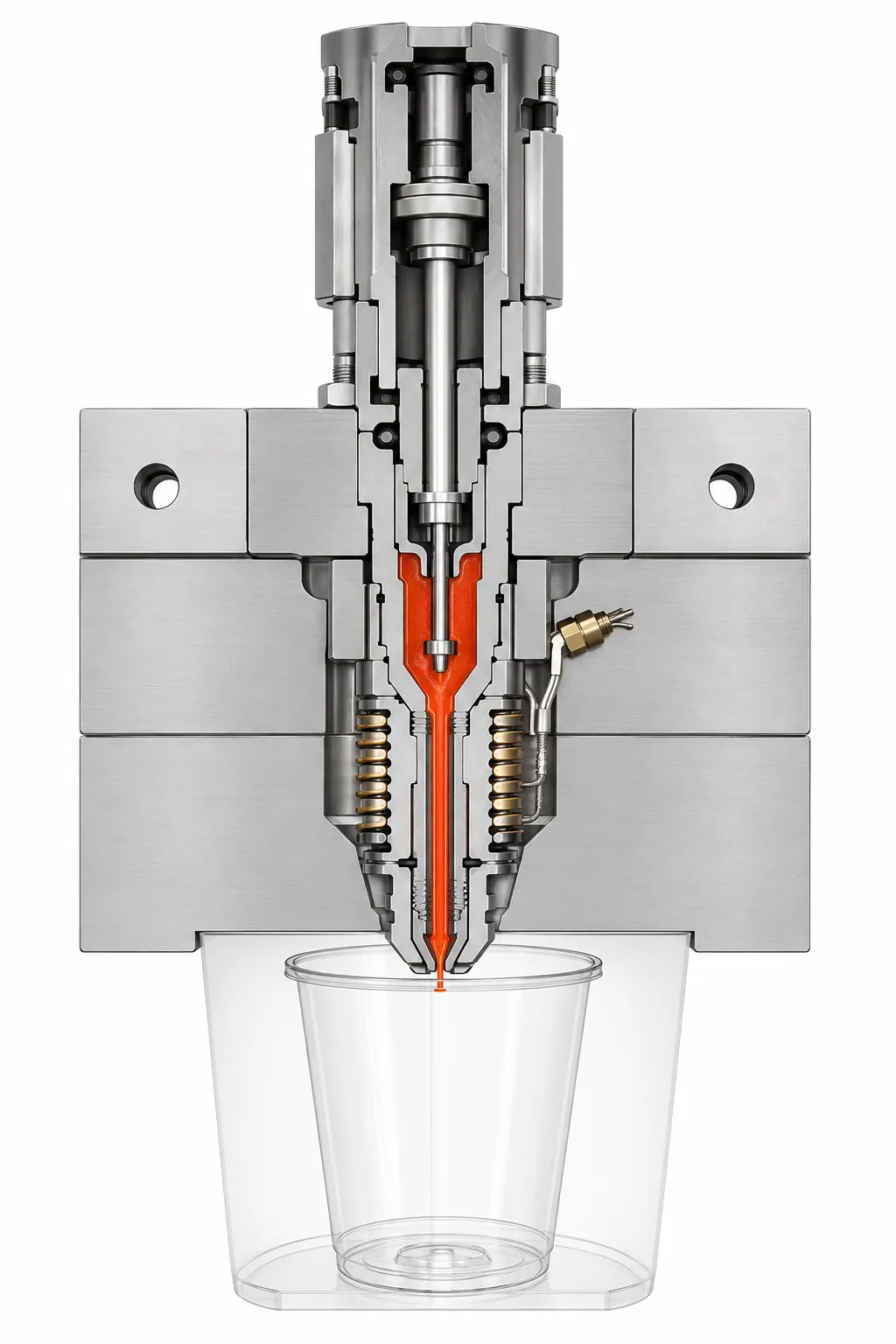
Valve-gate hot runner section integrated into a thin wall packaging mould
Thermal system · runner, gate and cooling scope must be visible in the quotation

04 / Hot runner and cooling

Melt delivery and cooling must be priced as part of one production system.

Hot-runner brand, nozzle count, valve-gate control, controller inclusion, service access and spare nozzles can materially change the quoted scope. For IML or appearance-sensitive containers, gate position must also be reviewed against label presentation and wall balance.

Cooling layout affects cycle potential, rim roundness, wall distribution and release. Ask suppliers to explain the cooling concept and required water conditions instead of comparing only a claimed cycle number.

  • Hot-runner brand, controller and spare scope
  • Gate position and cavity-to-cavity balance
  • Cooling circuits, connections and water assumptions
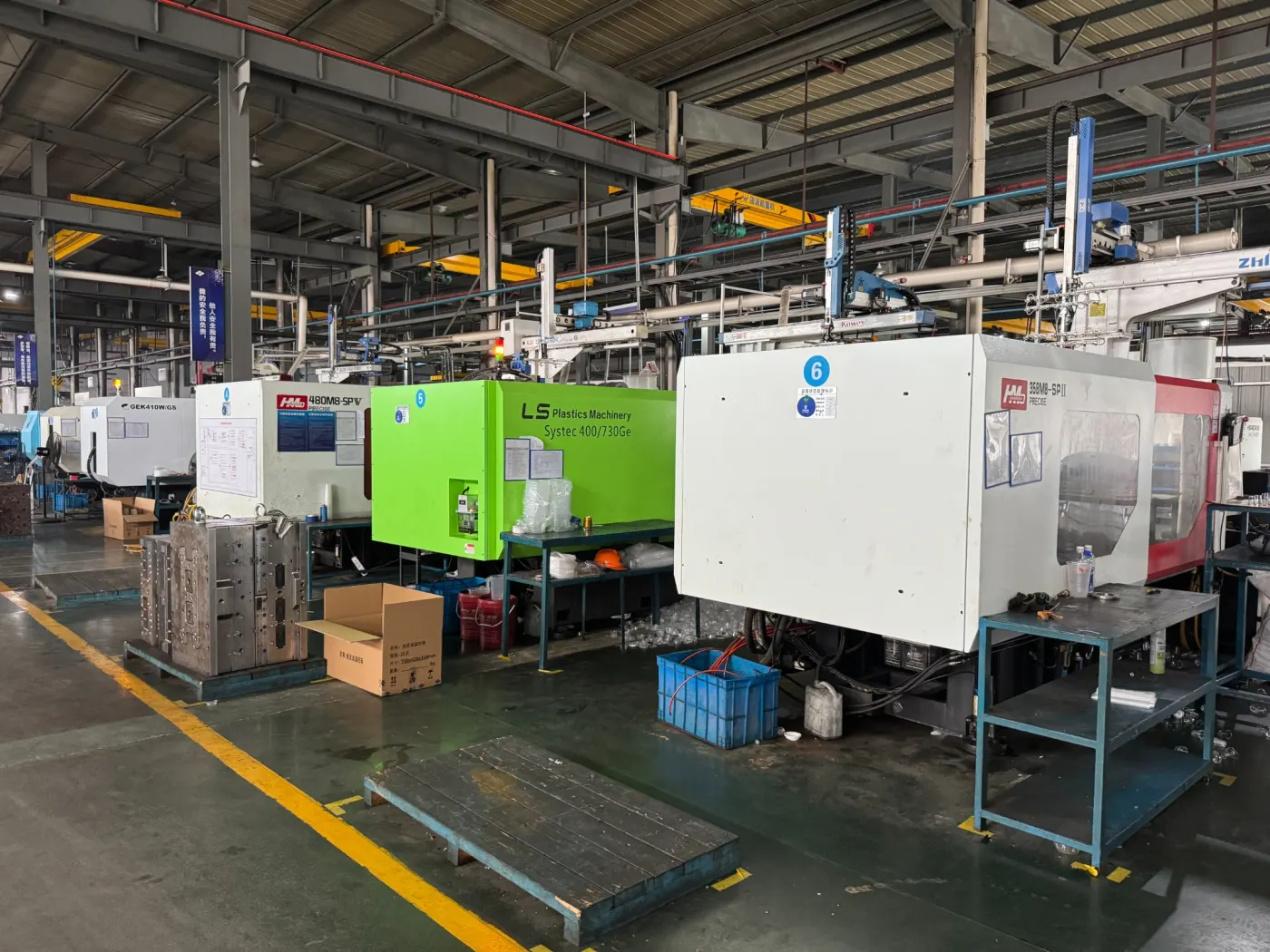
Injection moulding machine line used for packaging mould trial and validation
Production fit · mould, machine and robot reviewed against one operating sequence

05 / Machine and automation

A mould price is incomplete if the tool cannot run on the buyer's line.

Machine tonnage is only one input. Platen dimensions, tie-bar spacing, injection rate, screw and shot capacity, mould height, ejector pattern, services and take-out direction all influence the mould proposal.

For IML, the quote should also define label material, holding method, robot entry, cavity access, static or vacuum equipment, part take-out and stacking. Continuous automated running is more useful evidence than a few manually handled samples.

  • Machine installation and injection capability
  • Robot clearance, label loading and part take-out
  • Continuous trial under agreed line conditions
Complete assembled packaging mould representing the full quotation scope
Like-for-like review · compare deliverables, assumptions and acceptance responsibility

06 / Quotation comparison

Put two quotations on the same scope before comparing the totals.

Create a comparison sheet with one row for every deliverable: product version, cavity count, steel, hot runner, cooling, machine match, robot scope, cycle basis, trial material, acceptance duration, sample quantity, reports, spare parts, packing, installation support and warranty.

Mark every item as included, excluded, buyer-supplied or not defined. If one supplier quotes a complete production-ready package and another quotes only a mould, the totals are not comparable until the missing scope is priced and the acceptance responsibility is clear.

  • Separate included, excluded and buyer-supplied items
  • Compare acceptance evidence, not only promised specifications
  • Confirm spares, documentation, warranty and service response

Unit-cost and cycle-value review

The useful number is cost per accepted part over the mould's working life.

Purchase price is one input. Stable output, scrap, uptime, maintenance and acceptance risk decide whether the mould creates value on the production floor.

01

Usable output

Compare accepted parts per hour using the agreed cavity count, stable cycle window and real handling sequence.

02

Quality loss

Include scrap risk from filling imbalance, rim variation, label defects, deformation and unstable ejection.

03

Uptime

Review maintenance access, replaceable inserts, hot-runner spares, cooling cleaning and supplier response.

04

Acceptance risk

Define trial conditions and evidence before shipment so unresolved production risk is not transferred to the buyer.

Start with the production requirement

Send one complete RFQ and receive a quotation that can be compared line by line.

Hengqi does not publish a fixed mould price without the product and production conditions. Send the following information by WhatsApp for an engineering and commercial review, or use the contact page for a written enquiry.

Send project information
01Container and lid 3D drawings, 2D drawings or physical samples
02Capacity, external dimensions, product weight and wall-thickness target
03Resin grade, filling temperature and end-use requirement
04Target cavity count, hourly output and expected operating schedule
05Injection machine model, tonnage, tie-bar space, platen and shot data
06IML label drawing, material, robot model and loading direction if required
07Preferred mould steel, hot-runner brand and plant standards
08Cooling-water condition, connection standard and utilities
09Target cycle with the assumptions used to define it
10Trial material, trial duration, sample quantity and acceptance checks
11Required reports, manuals, drawings and delivery documents
12Spare-parts list, warranty, installation and after-sales expectations

Buyer questions

Clarify the project before steel is committed.

What is the price of a thin wall container mould from China?

There is no responsible fixed price before the product and production scope are defined. A quotation depends on the container and lid geometry, capacity, wall target, resin, cavity count, mould steel, hot runner, cooling, machine and robot match, trial acceptance, documentation and spare-parts scope.

Why can two food container mould quotations differ so much?

Two quotations may describe different deliverables even when the product name is the same. Compare cavity count, steel grade and hardness, insert construction, hot runner brand and controller, cooling design, expected cycle assumptions, machine matching, trial duration, acceptance evidence, spare parts, warranty and after-sales responsibility.

Does an IML mould cost more than a plain container mould?

IML projects usually require additional engineering around label holding, cavity access, static or vacuum control, robot clearance, product release and continuous automation trials. The relevant question is not only the mould purchase price, but whether the quoted mould, robot and production sequence are designed to run together.

What information is needed for an accurate food container mould RFQ?

Send the 3D drawing or physical sample, container and lid dimensions, capacity, resin, target weight or wall thickness, cavity and output target, injection machine data, IML robot requirement, preferred steel and hot runner standards, cycle objective, acceptance checks, documentation and spare-parts list.

Should I select the lowest mould quotation?

The lowest initial price is not automatically the lowest production cost. Compare usable parts per hour, stable cycle window, scrap risk, cooling consistency, maintenance access, insert replacement, spare-parts availability and the evidence required before shipment. A cheaper tool can become expensive if it limits output or creates repeated downtime.

How do machine tonnage and robot details affect the quotation?

Tie-bar spacing, platen size, shot capacity, injection rate, clamp force, water connections and robot movement limit the practical mould size and cavity arrangement. Sharing the real line data prevents a quotation based on a mould concept that cannot be installed or automated correctly.