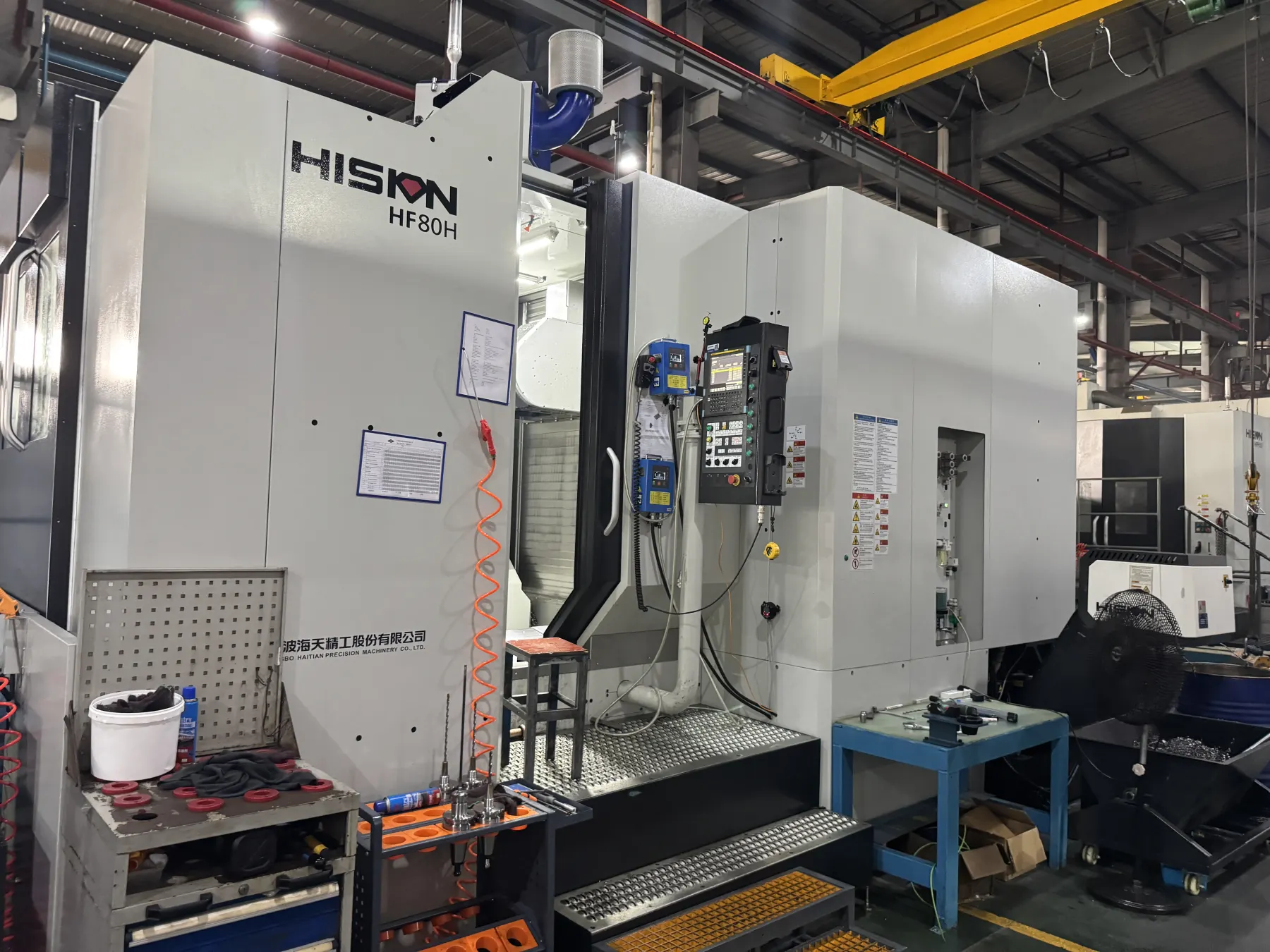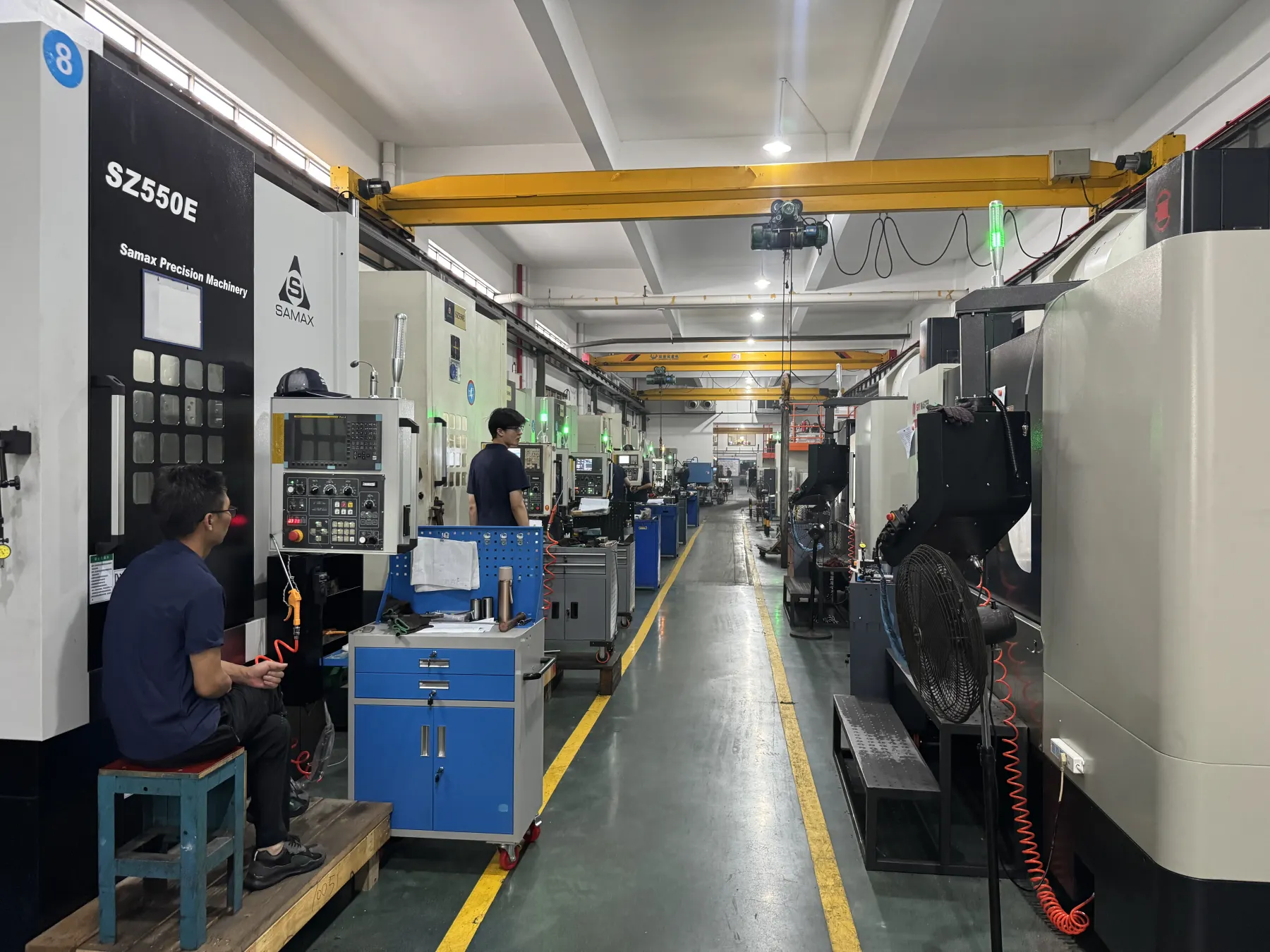
Hengqi HISION five-axis machining center producing mould components

Datum-led mould manufacturing

Precision is built through the complete machining route.

Mould-base preparation, coordinated five-axis geometry, precision finishing and dimensional feedback work as one manufacturing chain for IML and thin-wall packaging moulds.

3μmSelected critical features
5-axisCoordinated complex geometry
In-houseMould-base preparation
Datum-ledProcess planning

Visual engineering record

See the people, decisions and production stages behind the claim.

Each section links a real Hengqi image with the engineering purpose it supports. Buyers can understand what is reviewed, what is manufactured and what evidence is checked before delivery.

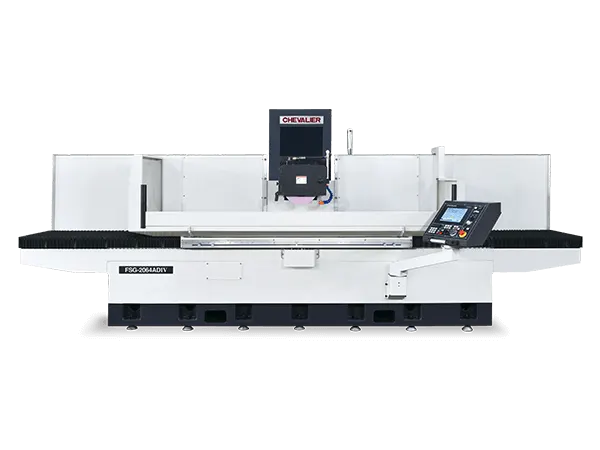
Surface grinding used to prepare mould reference faces
Surface grinding · reference faces prepared before complex machining

01 / Reference preparation

Surface grinding establishes the foundation for later geometry.

Controlled reference faces, flatness and parallelism create the starting condition for drilling, rough machining, precision finishing and assembly.

When the datum foundation is stable, every later setup can protect the same functional relationships.

  • Flatness and parallelism
  • Repeatable setup surfaces
  • Foundation for the datum chain
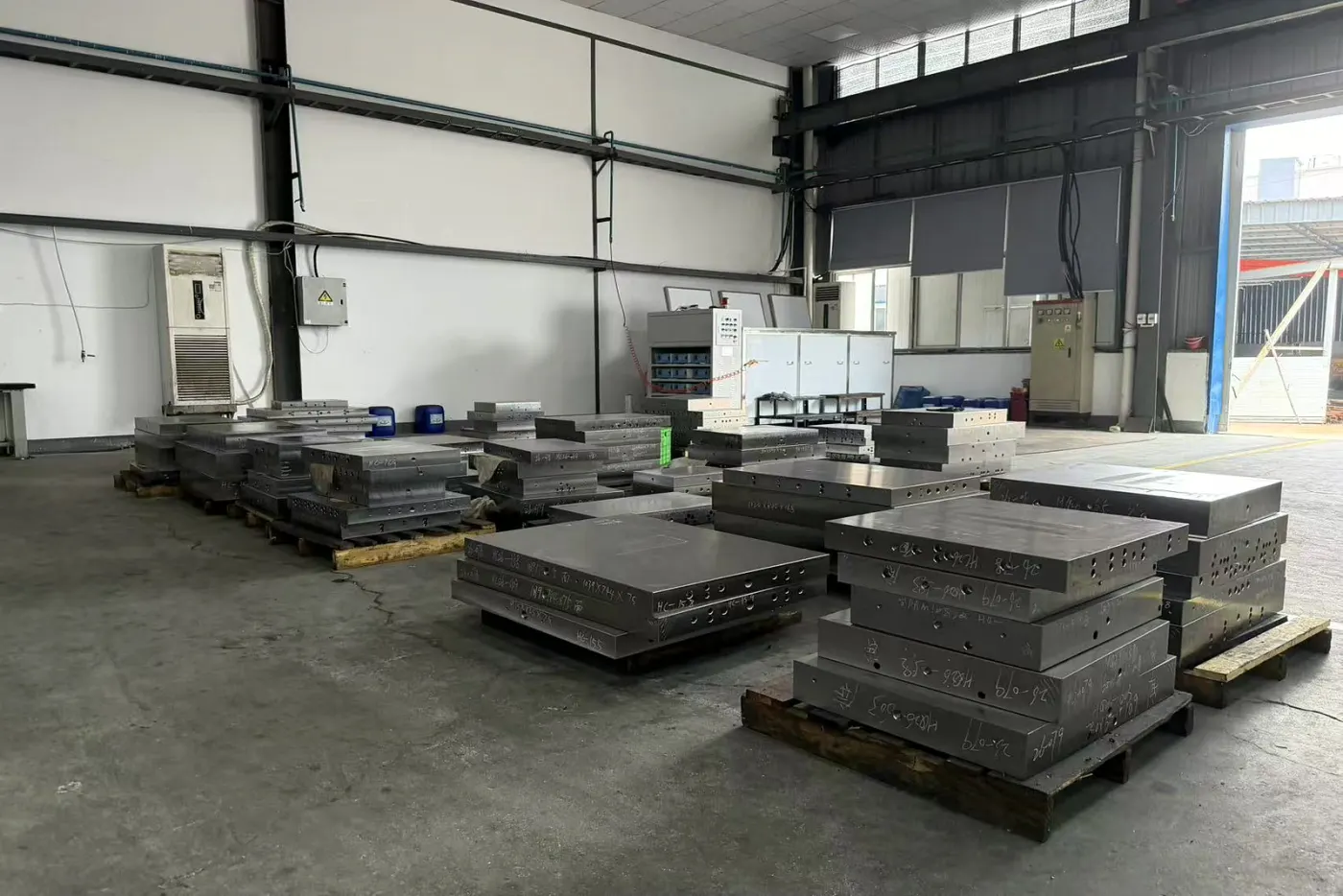
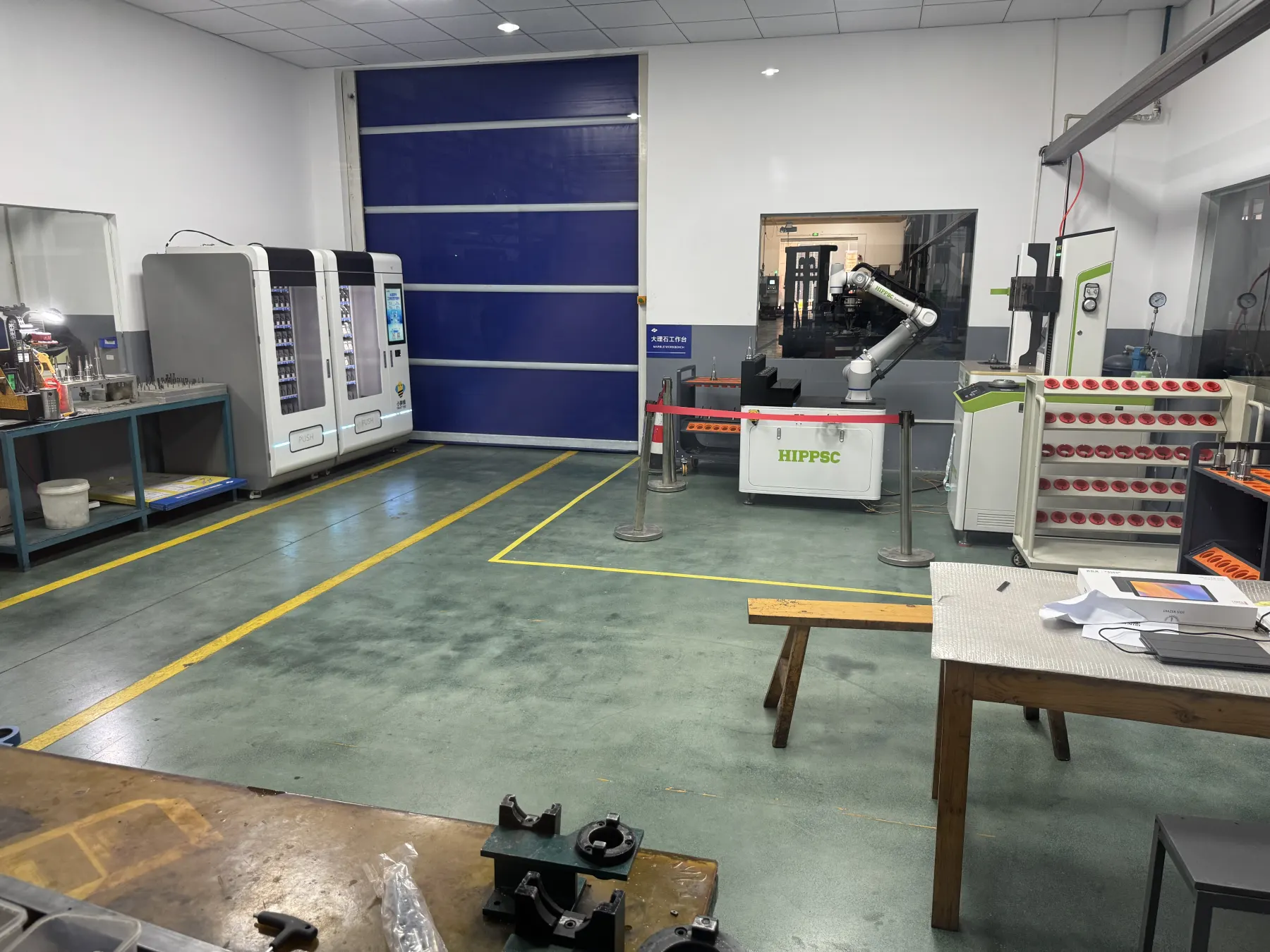
Prepared mould bases for packaging mould production
Mould-base route · plate features connected to the approved assembly design

02 / Mould-base workshop

Plate machining follows the released cooling, locating and assembly design.

Mould-base work prepares mounting, cooling, ejector, locating and service features around the approved structure.

Coordinating this stage with later component machining reduces mismatched interfaces and uncontrolled external handoffs.

  • Drilling and locating features
  • Cooling and ejector interfaces
  • Controlled handoff to component machining
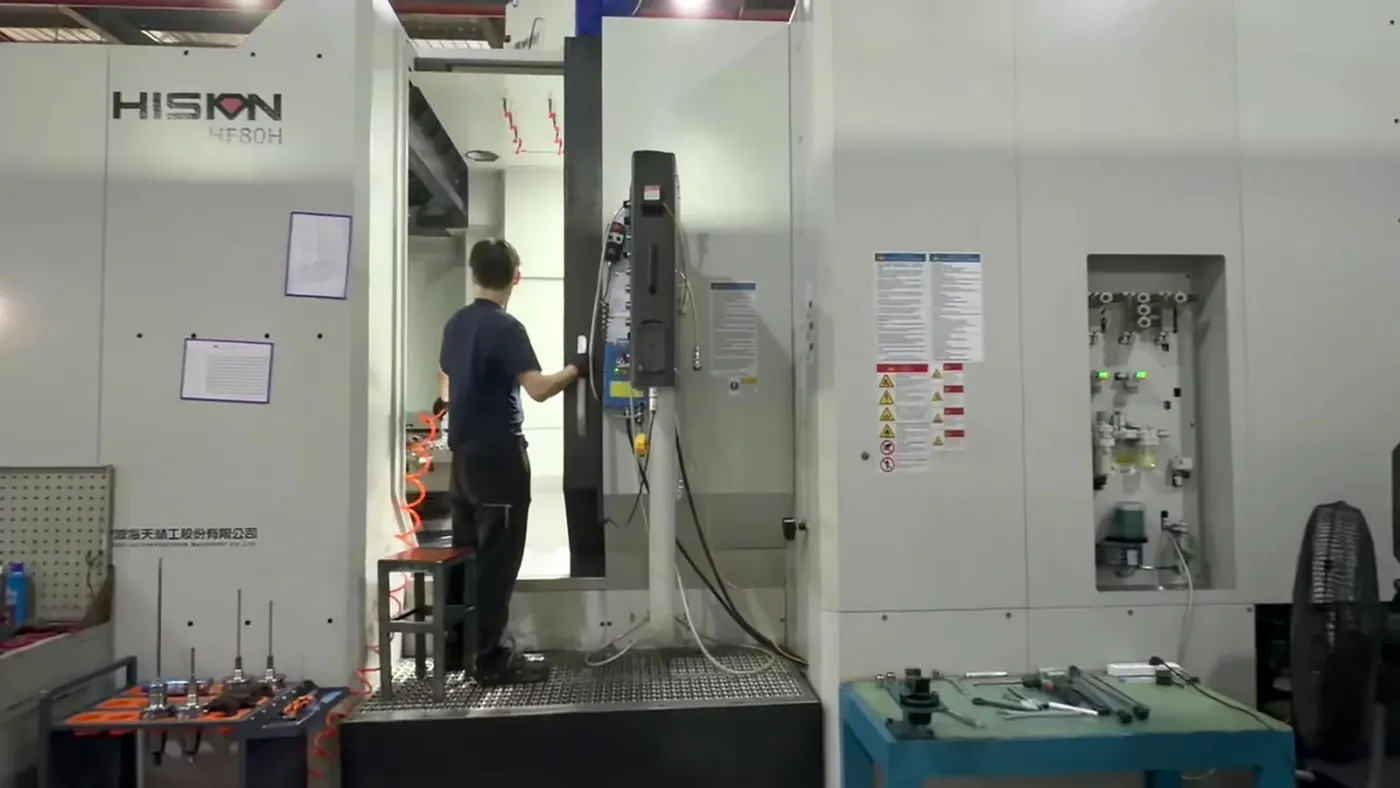
HISION five-axis machining center in Hengqi production
Five-axis machining · complex geometry held in a coordinated setup

03 / Five-axis geometry

Complex features stay coordinated in fewer setups.

HISION five-axis machining provides controlled tool access for grooves, angled features and multi-surface contours.

Reducing repeated re-clamping protects positional relationships and leaves a more predictable allowance for final finishing.

  • Reduced datum transfers
  • Angled and contoured features
  • Stable semi-finished geometry
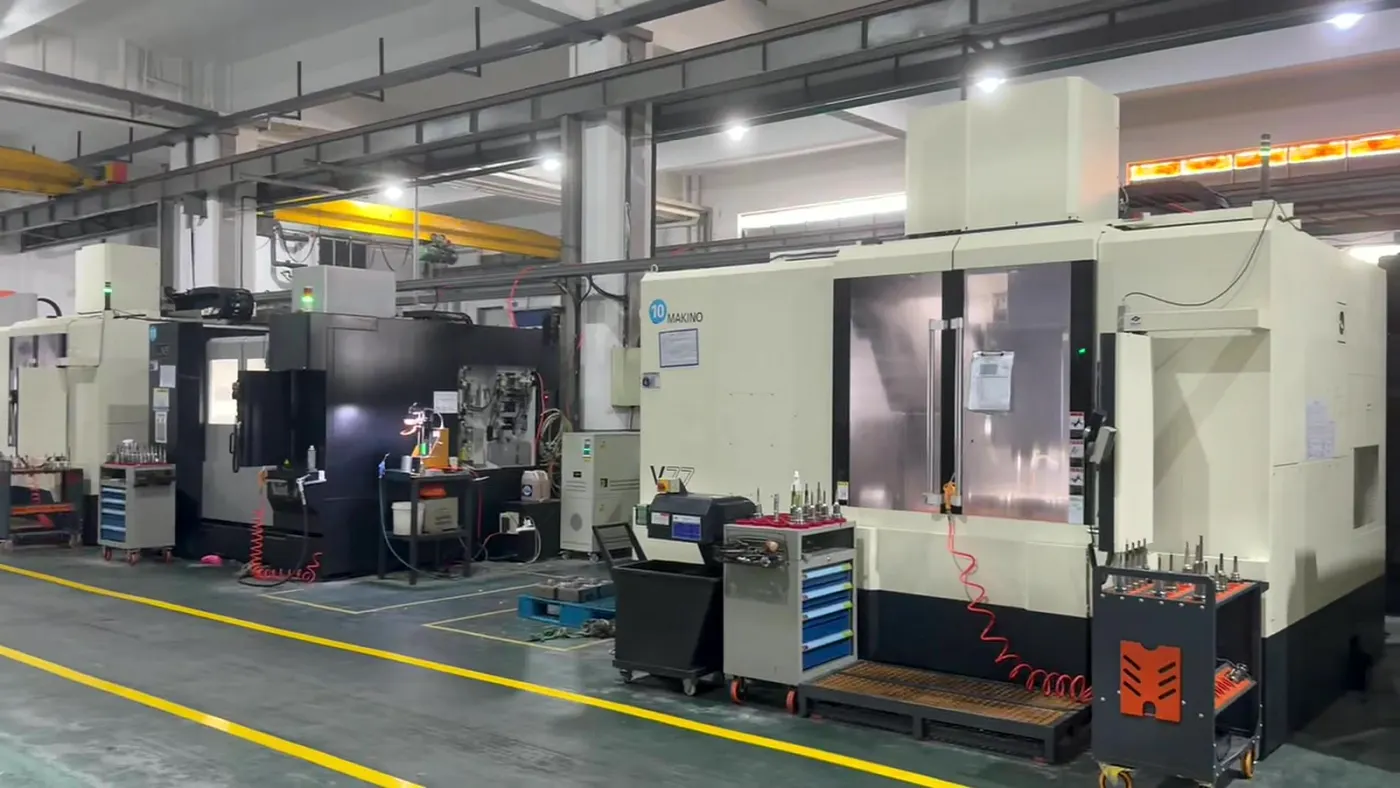
Makino precision mould finishing center
Precision finishing · critical component relationships protected

04 / Precision finishing

Selected critical features are controlled to 3μm.

Precision finishing focuses on surfaces and interfaces that influence fitting, movement, shut-off and product geometry.

The 3μm capability is applied selectively under the appropriate geometry, material, machining and measurement conditions.

  • Controlled finishing allowance
  • Critical insert and interface geometry
  • Measurement conditions considered
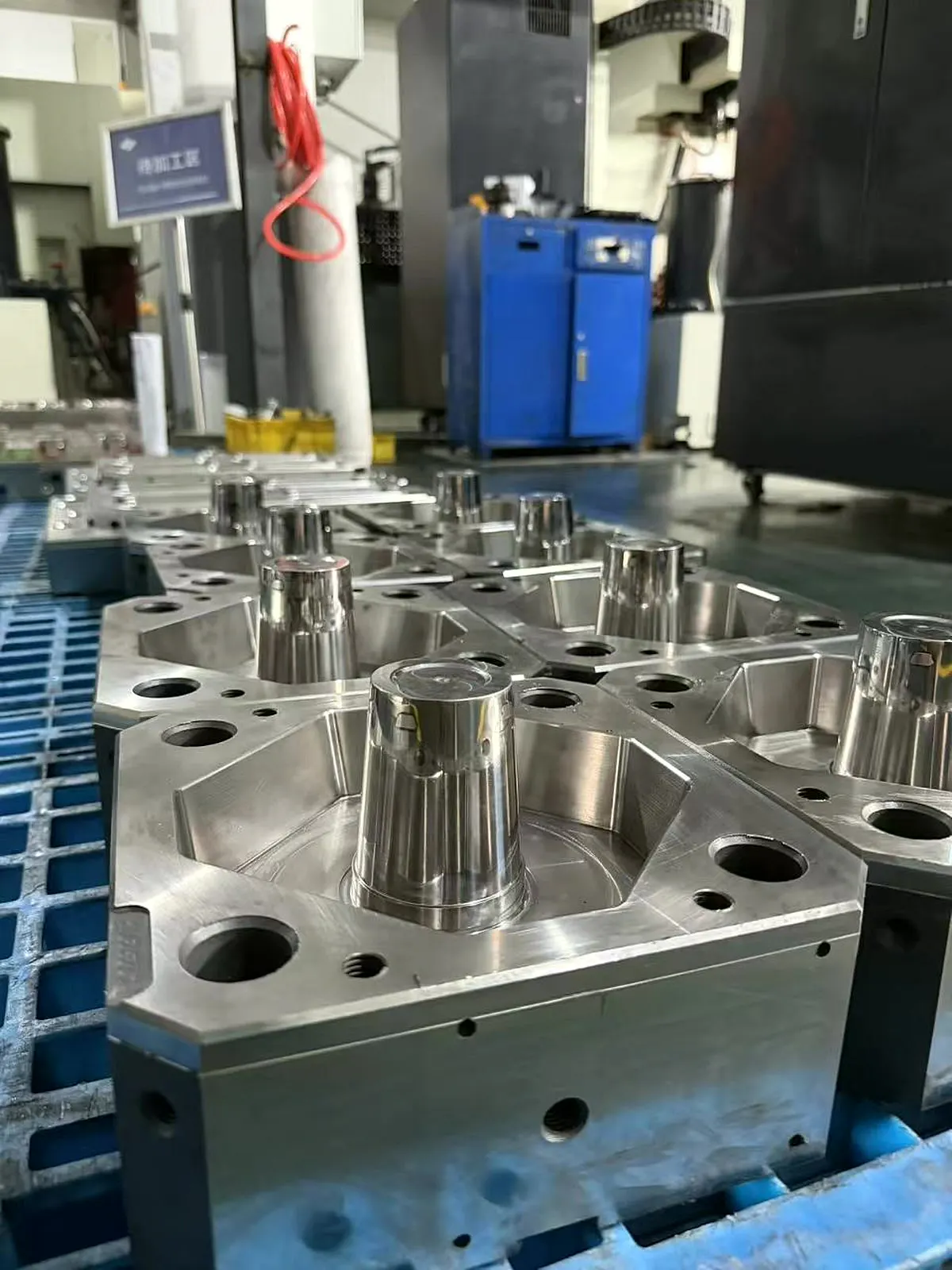
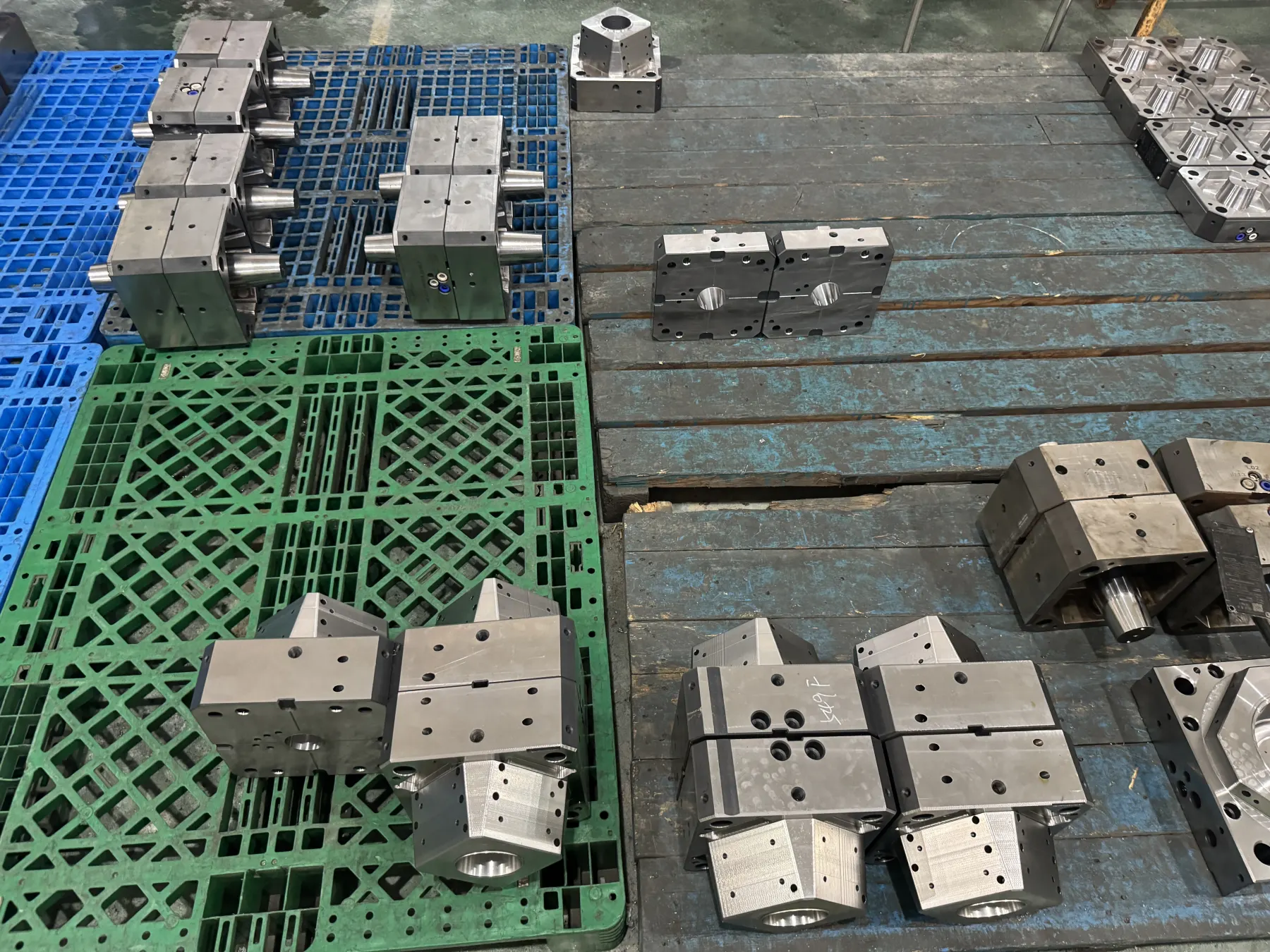
Finished mould cores after precision machining
Finished components · geometry prepared for inspection and controlled fitting

05 / Finished components

Machining quality is judged by the relationships the assembly needs.

A polished component is not enough if its position, profile or mating relationship does not serve the mould system.

Finished cores and inserts move into inspection and fitting with their functional datums and acceptance points still traceable.

  • Core and cavity relationships
  • Insert and shut-off interfaces
  • Traceable inspection handoff
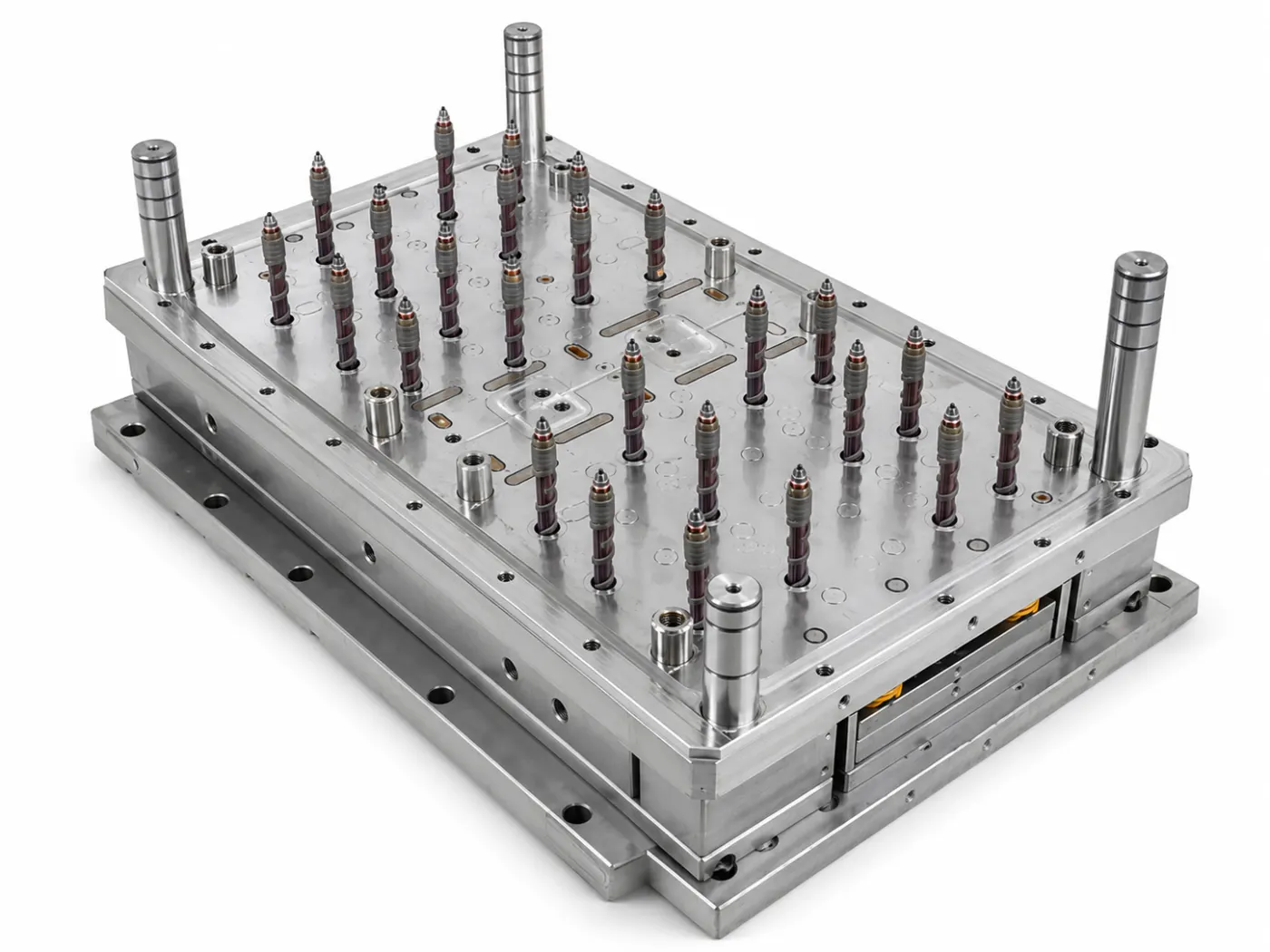
Complete multi-cavity mould assembled after machining
Complete mould · machining decisions validated through assembly and trial

06 / Assembly outcome

The machining route succeeds when the complete mould fits and runs predictably.

Datum control, finishing allowance and component inspection reduce unnecessary fitting loops during assembly.

The complete mould then moves into functional checks and production trial, where machining results are evaluated in the real system.

  • Predictable fitting allowance
  • Aligned hot runner and cooling interfaces
  • Feedback from trial to manufacturing

Machining control chain

One datum strategy connects every manufacturing stage.

The equipment matters, but the process relationship between stages is what protects the final assembly.

01

Establish

Prepare stable reference faces and define the functional datum chain.

02

Coordinate

Use the appropriate setup and machine for complex or high-risk geometry.

03

Finish

Protect critical surfaces, allowances and component relationships.

04

Verify

Return inspection and assembly findings to the responsible machining stage.

Start with the production requirement

Machining planning begins with the mould function and acceptance requirement.

Share the geometry, material and production condition so the route can be planned around critical relationships instead of a generic tolerance request.

Send project information
01Product and mould 2D/3D data
02Steel grade and heat-treatment requirement
03Critical dimensions, profiles and datums
04Mating, shut-off and moving interfaces
05Surface finish and texture requirement
06Inspection records and buyer acceptance points

Buyer questions

Clarify the project before steel is committed.

Does Hengqi control mould-base preparation internally?

Hengqi coordinates mould-base preparation with the released design so reference faces, drilling, cooling, locating and assembly interfaces support the later machining route.

Does the 3μm capability apply to every dimension?

No. It applies to selected critical machining features when geometry, material, process route, machine condition and measurement conditions support that level of control.

Why are five-axis and three-axis finishing both used?

Five-axis machining supports coordinated access to complex contours and angled features, while precision three-axis finishing is effective for selected surfaces, inserts and assembly interfaces. The route is selected by geometry and function.