A plastic box mould should be designed around the industry that will use the finished container. Food packaging, electronics packaging and medical packaging can look similar from the outside, but each application creates different requirements for material, sealing, dimensional tolerance, surface finish, production environment and long-term mould maintenance.
For buyers, the useful question is not only whether a supplier can machine a box shape. The better question is whether the mould factory can review the final product use, resin selection, lid fit, stacking behavior, ejection risk and inspection standard before the tooling plan is confirmed.
Food packaging box mould requirements
Food packaging projects usually focus on PP or other food-contact materials, thin-wall strength, seal reliability and stable stacking. A lunch box, sauce cup, soup container or takeaway box must release cleanly from the mould while keeping rim accuracy and consistent wall thickness. If the box has a matching lid, the container and lid should be reviewed together so the seal does not become loose after production tuning.
Food container mould buyers should confirm product capacity, target wall thickness, resin grade, cavity number, injection machine tonnage, expected cycle time and whether the box needs IML, tamper evidence, compartments or leak resistance. These inputs affect the runner system, cooling layout, steel selection and ejection design.
Electronics box mould requirements
Plastic boxes for electronics normally need tighter dimensional stability, better surface control and more attention to assembly details. The design may include clips, bosses, ribs, cable openings, inserts or features that must align with other components. Material choices such as ABS, PC or modified engineering plastics may be used when insulation, impact resistance or appearance is important.
Compared with a simple food box, an electronics box mould may need more detailed tolerance review and a different ejection strategy. Buyers should provide 3D drawings, assembly requirements, surface texture expectations, screw or clip positions, shrinkage assumptions and testing standards before requesting a final quotation.
Medical and clean packaging box mould requirements
Medical or healthcare packaging places more emphasis on cleanliness, traceability and controlled dimensions. The product may need smooth surfaces, easy sterilization, low particulate risk and compatibility with approved materials. Even when the mould structure is not complex, the production and acceptance requirements can be stricter than ordinary packaging projects.
For these projects, buyers should clarify material certification needs, clean production expectations, parting line limits, polishing requirements, packaging method and sampling inspection plan. The mould supplier should be able to discuss how steel, venting, polishing and maintenance choices support consistent production.
How buyers should compare plastic box mould suppliers
A practical plastic box mould proposal should explain cavity layout, runner choice, cooling concept, mould steel, expected cycle range, machine matching and trial acceptance criteria. For thin-wall food boxes, cooling and demolding often decide output. For electronics boxes, tolerance and assembly fit are critical. For medical packaging, surface quality and process discipline matter most.
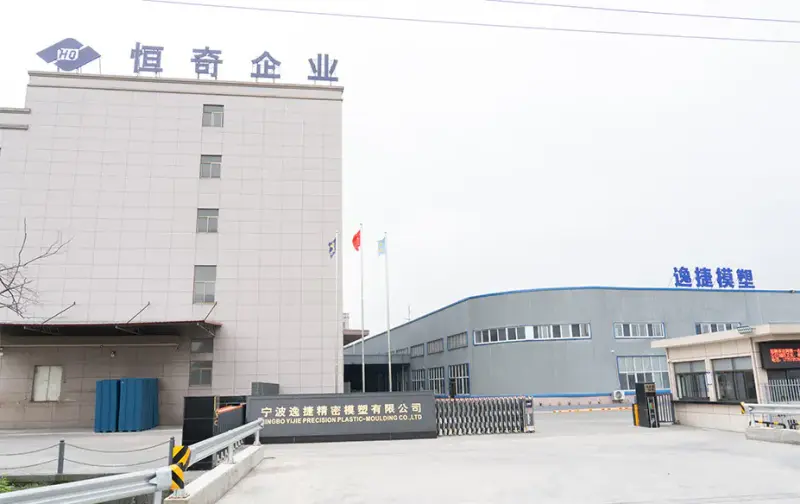
Before ordering, send drawings or samples, resin, production volume, cavity target, machine data and the final use case. Hengqi can review whether the project is closer to a food container mould, electronics box mould or higher-control packaging mould, then suggest a tooling plan around real production requirements.