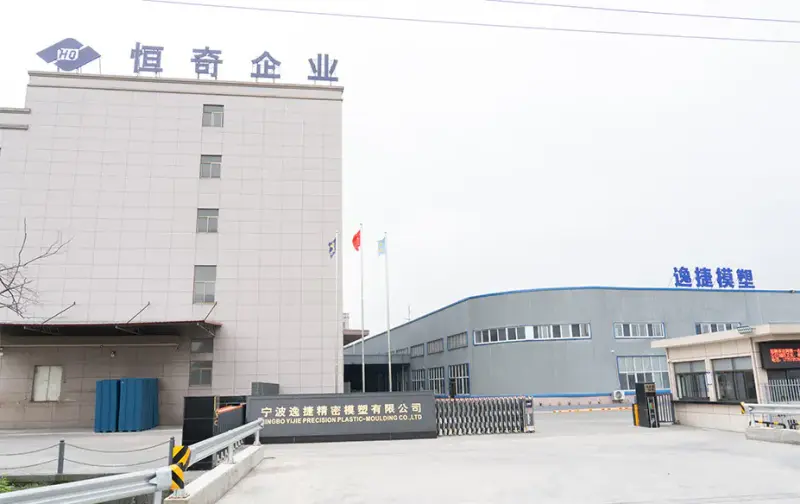
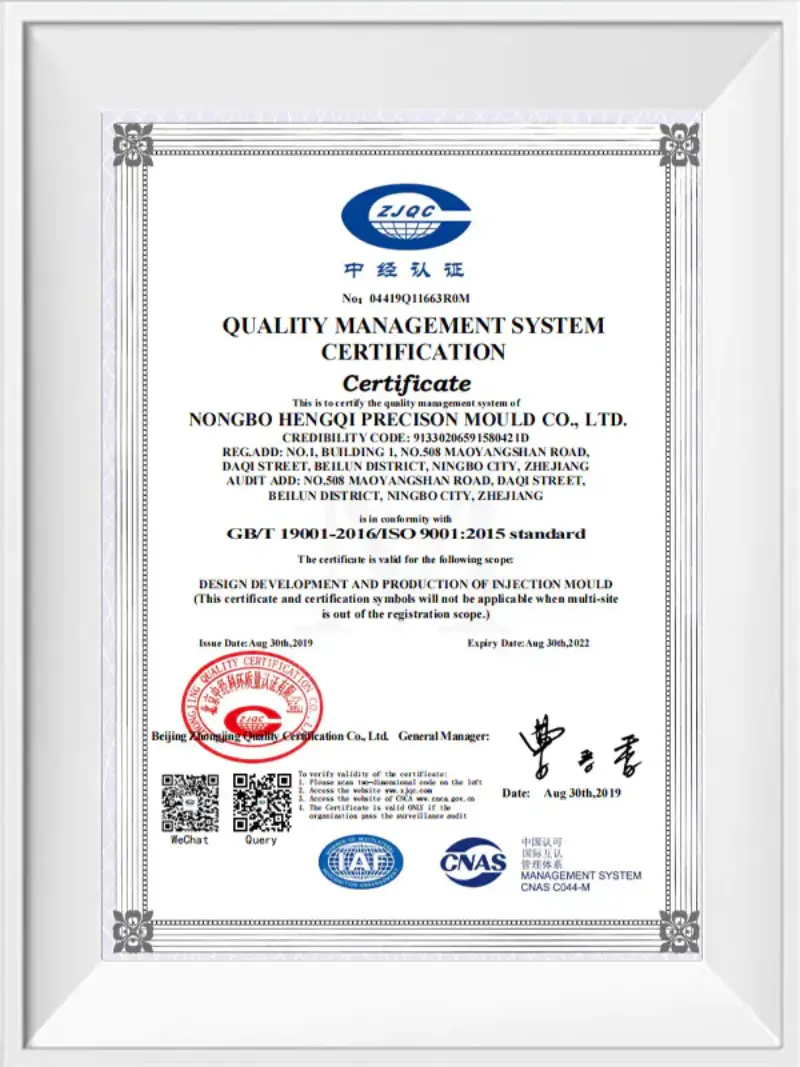
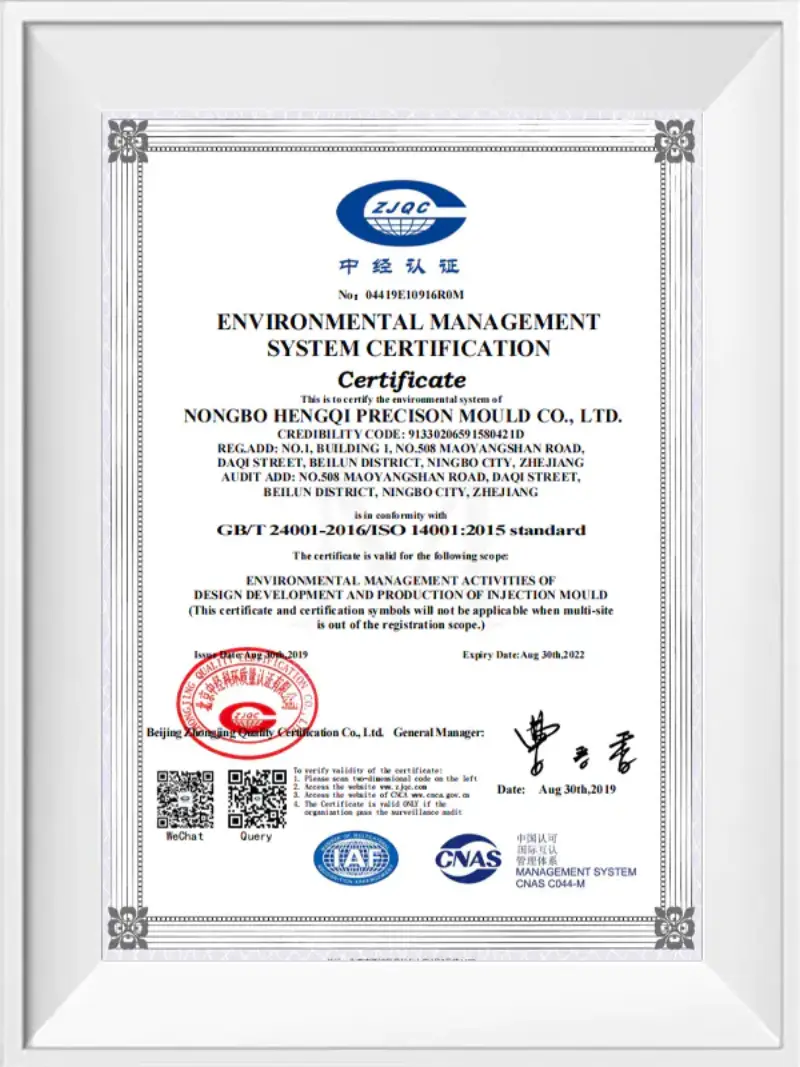
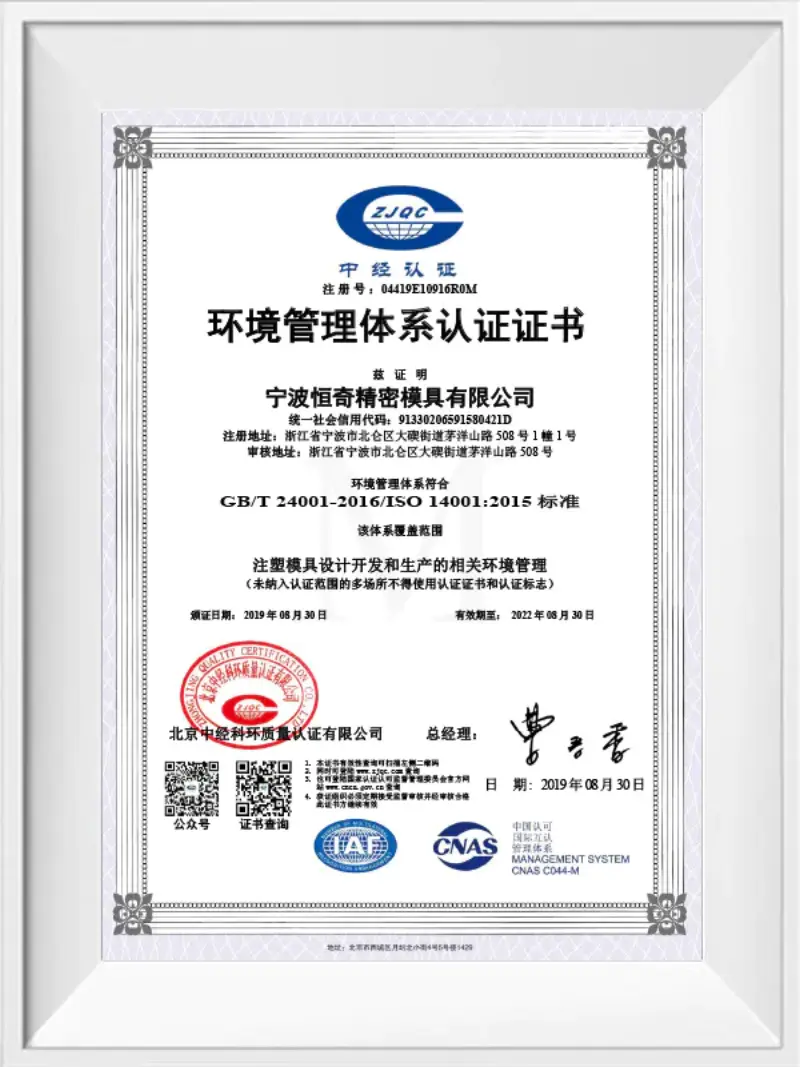
A 4CAV 32oz soup container mould is built for large-volume takeaway bowls, hot food packaging, and prepared meal programs where sealing reliability matters as much as output. Productivity is not only a faster cycle time; it is stable continuous running with acceptable lid fit, part weight, rim flatness, and low scrap.
For buyers comparing soup container mould suppliers, the important evidence is how the mould controls large round geometry under real production conditions. The container must resist rim deformation, keep enough sidewall stiffness for hot food, and remain stackable after demolding and cooling.
Design Areas That Control Productivity
The rim is the most important zone on a 32oz soup container. If the rim is uneven, lids may leak, pop open, or require excessive closing force. The mould design should define cooling near the rim, gate position, venting, shrinkage allowance, and ejection support so every cavity produces a consistent sealing edge.
Large soup bowls also need controlled wall thickness from the base to the upper rim. Uneven filling can cause weak corners, heavy bases, sink marks, or ovality. Buyers should ask the supplier to explain how runner balance, cooling layout, and steel finishing support the quoted cycle time.
Trial Checks for 32oz Soup Containers
A useful mould trial should include samples from each cavity, part weight data, dimensional checks, lid-fit testing, leak testing, stacking tests, hot-fill deformation review, and continuous running records. One good-looking sample is not enough to approve a high-output soup bowl mould.
If the product will be used for delivery packaging, buyers should also test carton packing, vibration during transport, and lid performance after hot filling. These checks help identify rim or wall issues before the mould is shipped and installed in the buyer factory.
Automation and Maintenance Planning
For steady production, the mould should be compatible with robotic take-out, stacking, and downstream packing. Ejection should release the bowl without bending the rim or marking visible surfaces. Automation access, water connections, and maintenance points should be reviewed during mould design, not added after sampling.
Maintenance planning affects long-term productivity. Buyers should confirm spare parts, hot runner service access, wear components, water-circuit cleaning, polishing requirements, and troubleshooting records. A 4CAV 32oz soup container mould becomes more valuable when the supplier can support stable operation after the first successful trial.