Sauce container mould demand is tied to the growth of takeaway meals, condiment packs, meal kits and portion-controlled food packaging. For packaging manufacturers, the opportunity is not just a small cup shape. A successful sauce cup mould needs stable output, consistent weight, clean rims, reliable lid fit and cavity-to-cavity balance during high-volume production.
Small packaging products are sensitive to tooling decisions because each gram of material and each second of cycle time affects unit cost. Buyers should review sauce container mould projects around production economics as much as appearance.
Why sauce cup packaging creates tooling demand
Restaurants, food processors and private-label packaging brands often need sauce cups in multiple capacities, including 1 oz, 2 oz and other small-volume formats. The mould must support fast filling, stable stacking and repeatable rim dimensions so cups can work with matching lids or sealing films.
High-cavity tooling is common for sauce container production because the product is small and output requirements can be high. A 16-cavity sauce container mould, for example, requires careful runner balance, cooling design and venting so every cavity fills consistently without flash, short shots or uneven weight.
Design factors buyers should specify
Before requesting a quote, buyers should clarify cup capacity, diameter, height, wall thickness, resin type, target weight, lid style, stacking height and production volume. If the cup will be used for hot sauce, oily condiments, frozen food or delivery packaging, those use cases should be shared with the mould supplier.
Sealing performance is one of the most important design points. The rim must be stable enough for lid fit or film sealing, while the side wall must release cleanly from the mould. Ejection layout, draft angle and cooling balance all affect whether the finished sauce cup can run at the expected cycle speed.
Material and sustainability considerations
Many sauce cups use PP because it is practical for food packaging and high-speed injection molding. Some buyers also ask about recyclable material streams, reduced product weight or alternative resins. These choices should be reviewed early because resin flow, shrinkage and stiffness can change the gate design, cooling plan and cycle expectation.
A lightweight sauce cup can reduce material cost, but the design still needs enough rim strength, stack stability and handling performance. The mould factory should help test whether the target wall thickness is realistic for the selected resin and injection machine.
How to evaluate sauce container mould suppliers
A strong supplier should discuss cavity number, runner system, mould steel, cooling layout, machine matching, cycle target and trial acceptance criteria. Buyers should ask how cup weight consistency, rim flatness, lid fit, flash, gate mark and demolding will be checked during sampling.
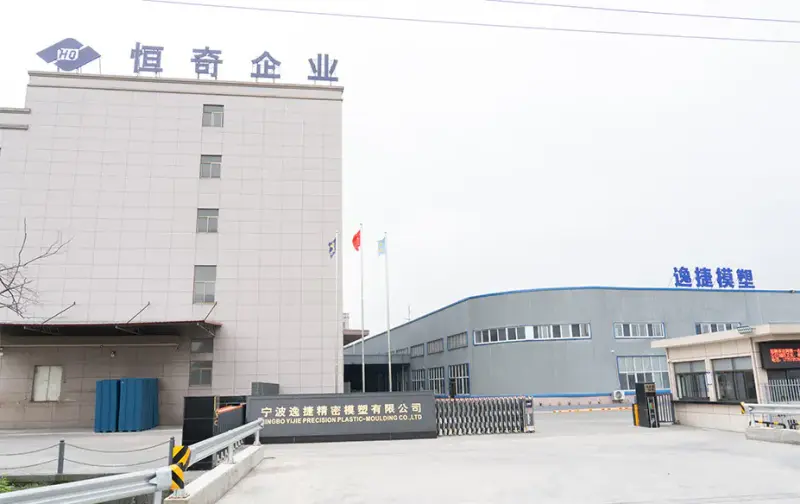
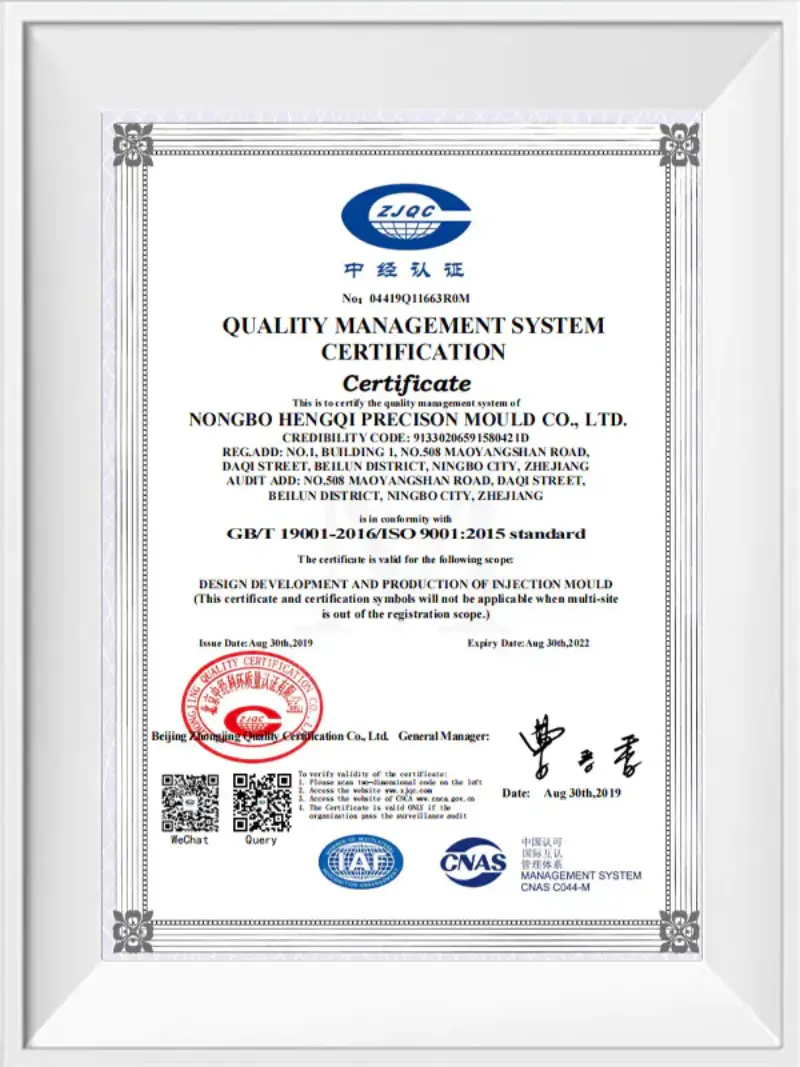
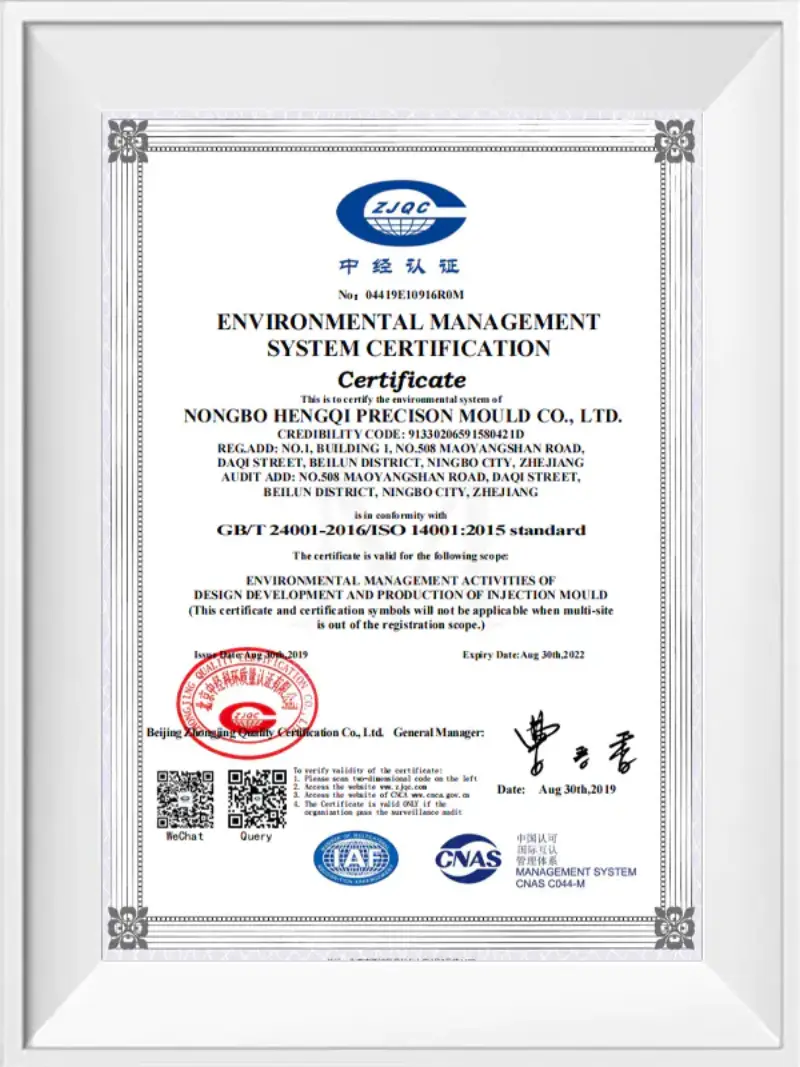
For packaging factories planning sauce cup production, Hengqi can review product drawings or samples, target output, material, cavity number and injection machine data. The goal is a sauce container mould that supports stable mass production instead of only a good first sample.