An 8CAV small screw cup mould is suitable for compact packaging such as sauce cups, sample cups, medical portion cups, cosmetics, supplements and other products that need a small container with a threaded seal. The buyer's goal is not only fast output, but repeatable sealing between the cup and cap.
Small threaded cups can be difficult because there is little room for dimensional error. A small change in wall thickness, thread profile, cooling balance or ejection force can affect how the lid turns, seals and releases from the mould.
Where Small Screw Cup Projects Need Control
The thread area should be designed together with the matching cap. Buyers should confirm target capacity, brim style, thread start, sealing surface, wall thickness, stacking requirement, resin grade and whether the product needs food-contact, medical or cosmetic packaging standards.
Because the parts are small, cavity balance is important. Each cavity should fill consistently so part weight, thread detail and sealing fit remain stable. If one cavity runs hotter or fills differently, the finished cup may look acceptable but fail torque or leak checks.
Mould Design Checks for Buyers
Ask the supplier how the gate location will affect appearance and filling, how cooling will protect roundness, and how the part will be released without damaging the thread. For some geometries, stripping may be acceptable. For tighter thread forms, the mould design may need a more controlled release strategy.
The mould should also support practical maintenance. Small threaded details can wear or collect deposits over time, so buyers should confirm spare inserts, polishing access, vent cleaning and cavity identification before approving the tool.
Sampling Tests That Matter
During trials, inspect cavity-by-cavity part weight, thread definition, wall thickness, roundness, sealing fit, opening and closing torque, flash, gate appearance and stack behavior. Test the cups with the actual cap after cooling because shrinkage can change the final fit.
If the cup is used for sauce, samples or medical packaging, include leak testing, drop testing and packing checks. These tests reveal whether the mould can support real handling and transport conditions, not only machine-side appearance.
RFQ Inputs for an 8CAV Small Screw Cup Mould
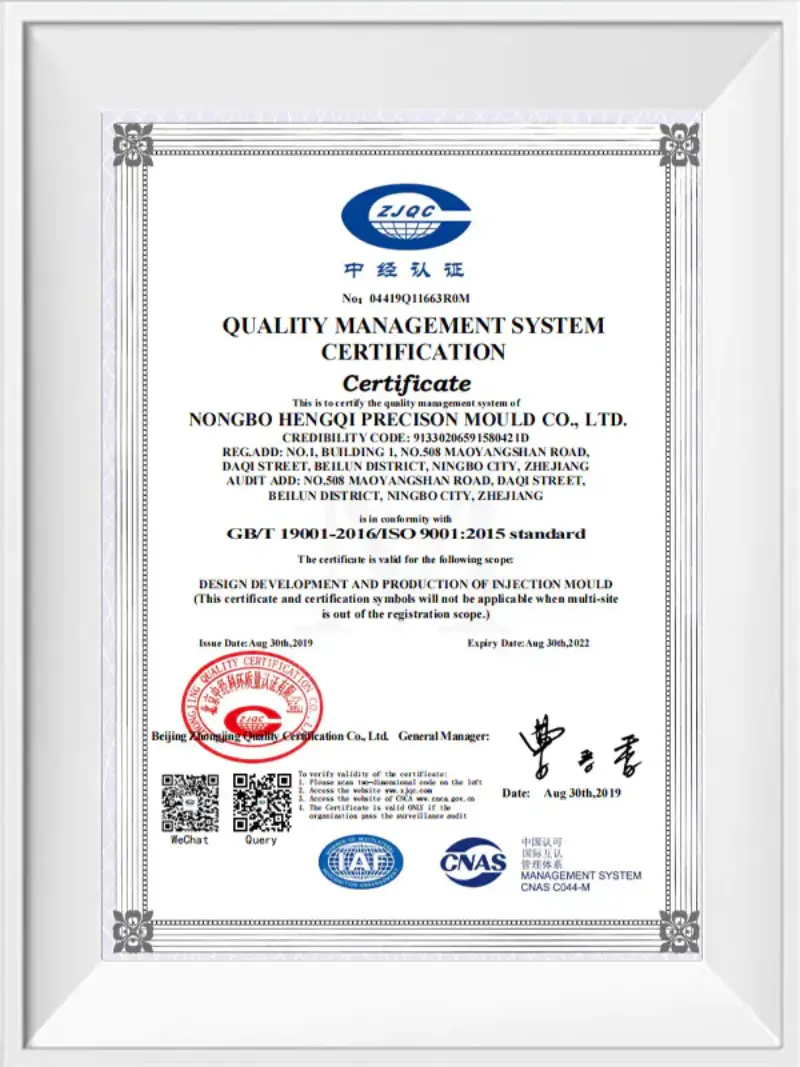
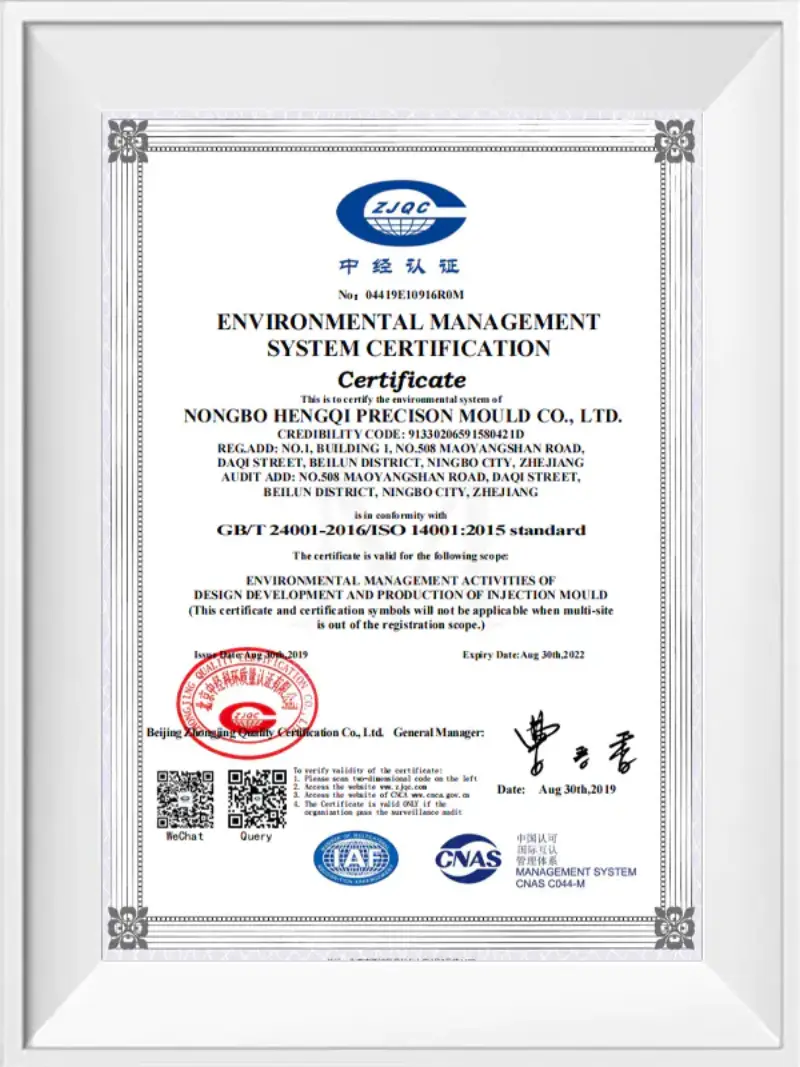
A useful request should include cup and cap drawings, target capacity, material, cavity count, machine model, annual volume, required certificates, color or transparency requirements, packaging method and acceptance criteria. Physical samples of similar products can help the supplier understand the expected feel of the threaded fit.
For buyers comparing mould proposals, ask each supplier to explain thread accuracy, cooling, release method, hot runner or cold runner choice, trial plan and after-sales spare parts. These details make the difference between a low-price tool and a production-ready small screw cup mould.