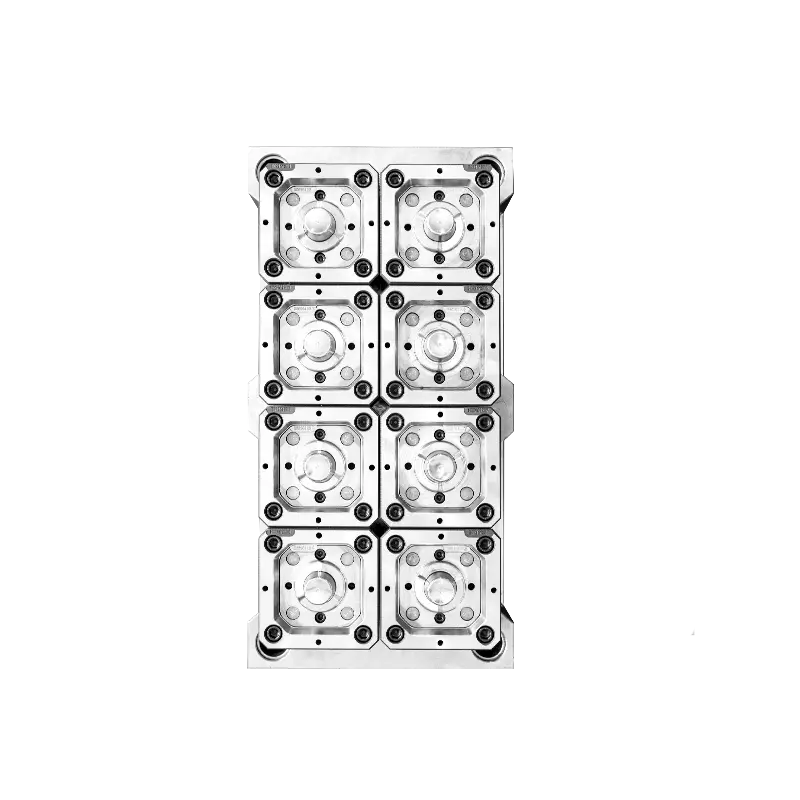
| Parameter | Value |
|---|---|
| Typical product | Small threaded cup for sauce, sample, medical and cosmetic portion packaging |
| Machine matching | 300T high-speed injection molding machine |
| Cycle time target | Within 6.5 seconds per shot under suitable production conditions |
| Cavity options | 2/4/6/8 cavities based on output requirement and machine layout |
| Volume range | Project-specific small cup volumes (commonly 10-120 ml) based on drawing |
| Closure feature | Screw-thread cup profile for improved sealing and repeat closure |
| Thread precision focus | Pitch consistency and cap torque matching for low leak risk in transport |
| Acceptance focus | Filled-cup leak testing, cap torque, stack release and dimensional checks across all cavities |
| Useful RFQ data | Cup and cap drawings, fill product, resin grade, sterilization or food-contact requirement and packing method |
| Front and rear mold material | Domestic or imported 2344/customer specified |
| Mold base material | P20/4Cr13/customer specified |
| Runner options | Needle valve or needle point hot runner |
| Automation readiness | Supports robotic take-out and downstream cap assembly workflows |
| Thin-wall advantage | Lower resin usage, fast forming and support for high-volume production |
This 8CAV small cup with screw mould is designed for projects where threaded closure quality directly affects leakage complaints and shelf presentation.
It is suitable for compact portion packaging programs that need repeat opening, stable cap engagement and uniform cup dimensions at high output.
Thread pitch standard, target cap torque window, wall-thickness tolerance, cup volume and drop-test requirements should be finalized before steel cutting.
Hengqi can evaluate your sample or CAD data and recommend cavity quantity, steel grade, cooling strategy and hot runner architecture for your annual volume target.
The mould structure focuses on sealing consistency, short cycle time and controlled dimensional variation so converters can reduce sorting losses and customer returns.
For high-volume portion cup programs, this helps procurement teams balance tooling cost, resin usage and long-run maintenance planning.
Small screw cups often fail from tiny thread, shrinkage or cap-fit changes, so buyers should define the matching cap, fill product, storage orientation and transport test before approving the tooling concept.
Hengqi can review whether the cup needs tamper evidence, sterilization compatibility, cosmetic surface quality or food-contact resin documentation before confirming steel and runner choices.
For medical or sample packaging, acceptance should include leak testing after cooling, cap torque checks and dimensional inspection across all cavities.
Because small threaded cups are often packed in bulk, sample approval should verify that cups separate cleanly, threads are not damaged by robotic pick-up and the matching cap reaches the same torque range on every cavity.
For sauce and cosmetic products, Hengqi recommends testing filled cups after cooling and transport simulation, because low-volume containers can leak from very small changes in rim flatness or thread shrinkage.
Yes. This mould family supports 2, 4, 6 or 8 cavity configurations based on capacity target and machine conditions.
Typical uses include condiment portions, sample containers, and compact packaging that benefits from repeatable threaded closure.
Define thread profile standard, cap torque range, resin shrinkage behavior and cooling balance early, then validate with leak and transport testing before launch.
Provide cup and cap 2D/3D drawings, target output, resin type, packaging test criteria and machine information so DFM can be completed quickly.
Yes. The threaded cup should be trialed with the matching cap to verify sealing torque, leak resistance, thread feel, stack release and dimensional stability after the parts cool.
Yes, but the RFQ should include resin grade, cleanliness expectations, cap fit, leak testing and any documentation needed for the buyer's packaging application.
Filling temperature, product viscosity, storage orientation, transport vibration and cap assembly method all affect the sealing profile, wall thickness and acceptance test plan.
Send the product drawing, sample weight, cavity target, machine tonnage, material, and expected cycle time. Hengqi can review the tooling structure and reply with a practical proposal for production.
Request a Mold QuoteNingbo Hengqi Precision Mould Co., Ltd. is professional China Plastic Injection Mould Manufacturers and custom Plastic Injection Mould factory, engaged in the development and manufacture of thin-wall packaging moulds. Our company has complete manufacturing equipment, scientific quality management system, rich practical experience in mould and hot runner production, combined with professional system design, using high-precision high-speed machining centers to achieve mold processing high standards. Hengqi Mould is in the leading position in the field of thin-wall injection molds in China. It produces thousands of sets of PP lunch boxes, cups and in-mold labeling system molds with a wall thickness of 0.35-0.45MM each year, which are supplied to the domestic market and exported to overseas. Hengqi Mould adheres to the spirit of continuous innovation and development of precision moulds.
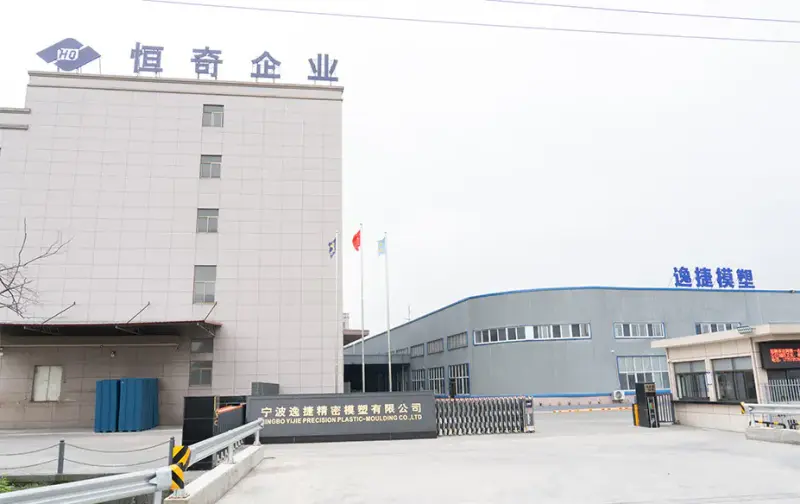
2012
In 2012, Hengqi Mould Factory was established.
2016
In 2016, Hengqi Enterprise established Tianjin factory.
2017
In 2017, Hengqi officially changed from individual to company.
2019
In 2019, Hengqi established Chengdu branch and Betterfork cutlery department.
2024
In 2024, Hengqi continues to expand international markets.